The studio's Tuesday schedule lists Vinyasa at 6, Hatha at 7:15, Yin at 8:30 - plus Restorative, Bikram, and six other names that mean nothing to you yet. Picking whichever class fits your lunch break is tempting, but the style you start with genuinely shapes your first experience of yoga. This guide breaks down the main options so you can walk in - or press play at home - with confidence.
Why Your First Style Choice Actually Matters
Yoga isn't one thing. Some styles move fast and generate serious heat; others hold a single pose for five quiet minutes. Starting in a class that moves too quickly before you know the poses can feel demoralising - not because yoga isn't for you, but because that particular class wasn't the right match yet.
The good news: research has found that yoga may help decrease depressive symptoms, reduce stress and anxiety, and improve sleep quality. Those benefits are available across styles. Your job right now is simply to find the door that's easiest to walk through.
The Beginner-Friendliest Styles
Hatha Yoga - the classic starting point
Hatha yoga moves at a calm, deliberate pace. Poses are held for a few breaths, the teacher explains alignment, and there's room to breathe between movements. It's the closest thing yoga has to a universal entry point.
The research backs this up. A 2021 study found that 10 weekly sessions of 1.5-hour beginner-level Hatha yoga led to improvements in flexibility and balance compared to a control group. The same study noted that a 90-minute beginner Hatha class averaged around 195 kcal of energy expenditure - real, moderate movement without overwhelming your body.
One caveat: "Hatha" is a broad term. A class simply labelled "Hatha" can still be challenging. Look for wording like Beginner Hatha or Hatha Level 1 when you're searching.
Yin Yoga - for stiffness, desk bodies, and busy minds
Yin yoga holds poses for three to five minutes at a time, targeting the deep connective tissue around joints - the fascia and ligaments that faster styles rarely reach. It's quiet, meditative, and surprisingly effective.
If you sit at a desk all day, feel chronically tight in your hips or lower back, or simply want to unwind, Yin is a wonderful place to start. No prior flexibility required - in fact, that's exactly the point.
Restorative Yoga - the most supported option
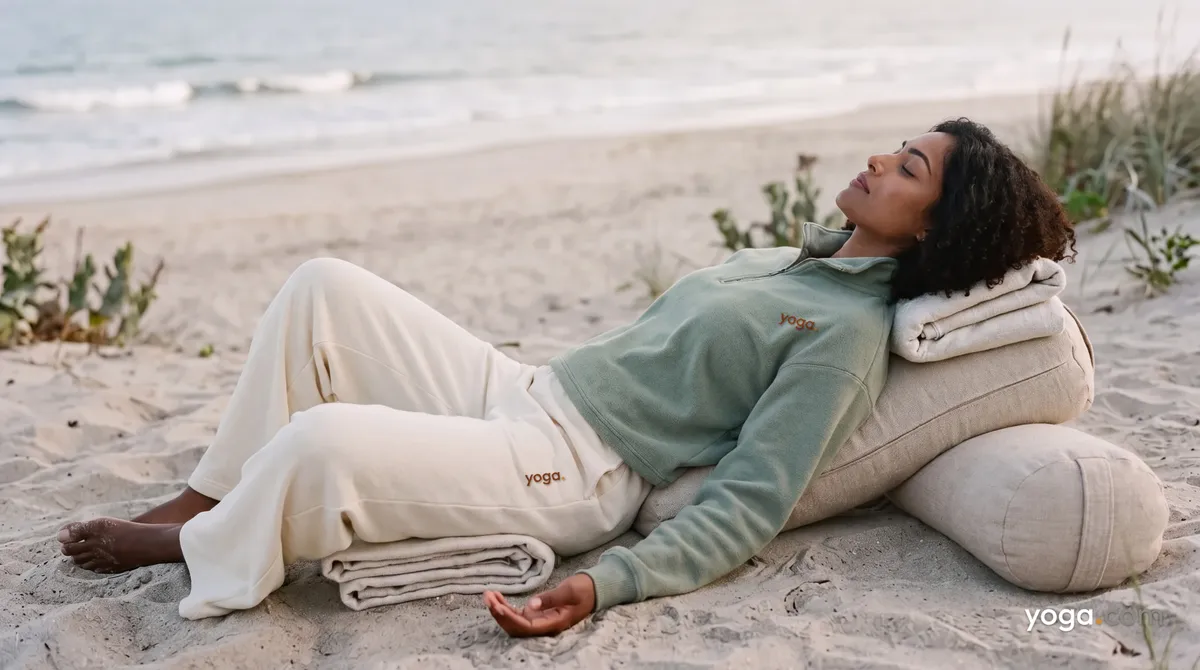
Restorative yoga is even gentler than Yin. Every pose uses props - bolsters, blankets, blocks - so your body is fully supported and there's nothing to strain against. Think of it as active rest. It's particularly well-suited to anyone recovering from illness, injury, or burnout.
If you're dealing with a specific health condition, always check with your doctor before beginning any new physical practice.
Active Styles: Worth Knowing Before You Start
Vinyasa - energetic but fast
Vinyasa yoga links breath to movement in a continuous flow. It's popular, dynamic, and genuinely fun - once you know the basic poses. The challenge for beginners is that a standard Vinyasa class doesn't pause to explain each shape in detail. You're expected to keep pace.
That's not a reason to avoid it forever. But if it's your very first class, you may spend more energy trying to figure out what's happening than actually practising. Look specifically for classes labelled Beginner Vinyasa or Slow Flow, where teachers build in more explanation.
Ashtanga - structured but demanding
Ashtanga yoga follows a strict sequence of poses. It contains six levels; even the primary series - the easiest - takes 90 minutes to complete and includes backbends and headstands. It builds tremendous discipline and strength over time, but it's a steep starting point for most beginners.
Bikram (Hot Yoga) - save it for later
Bikram yoga is a 90-minute class in a room heated to 104°F (40°C), working through 26 fixed poses and two breathing exercises in the same order every class. The heat places real demand on your cardiovascular system. Dizziness and nausea are common for newcomers.
There's nothing wrong with hot yoga - plenty of people love it. But building a foundation in a cooler, slower class first makes the transition much safer and more enjoyable.
A Quick Style-Match Cheat Sheet
- You want calm and stress relief: Yin or Restorative yoga
- You want to build flexibility and basic strength gently: Beginner Hatha
- You want some movement and energy: Beginner or Slow-Flow Vinyasa
- You have limited mobility or are recovering from injury: Restorative or Chair yoga
- You're ready for a challenge after a few months: Ashtanga primary series or Bikram
Practical Steps Before Your First Class
- Tell the teacher you're a beginner - before class starts, not after. Most teachers will cue modifications specifically for you.
- Read the class description carefully. "All Levels" doesn't mean beginner-friendly; it means prior experience helps.
- Arrive five minutes early. Grab any props the studio offers - blocks, straps, a bolster. Using them is smart practice, not a shortcut.
- Check teacher credentials. Look for a Registered Yoga Teacher (RYT) designation from Yoga Alliance - either RYT 200 or RYT 500 - which indicates documented training hours and assessed teaching ability.
- Ask about intro offers. Many studios offer a discounted first week or a free trial class. It's worth asking before committing.
One Thing Most Beginners Get Wrong: Props
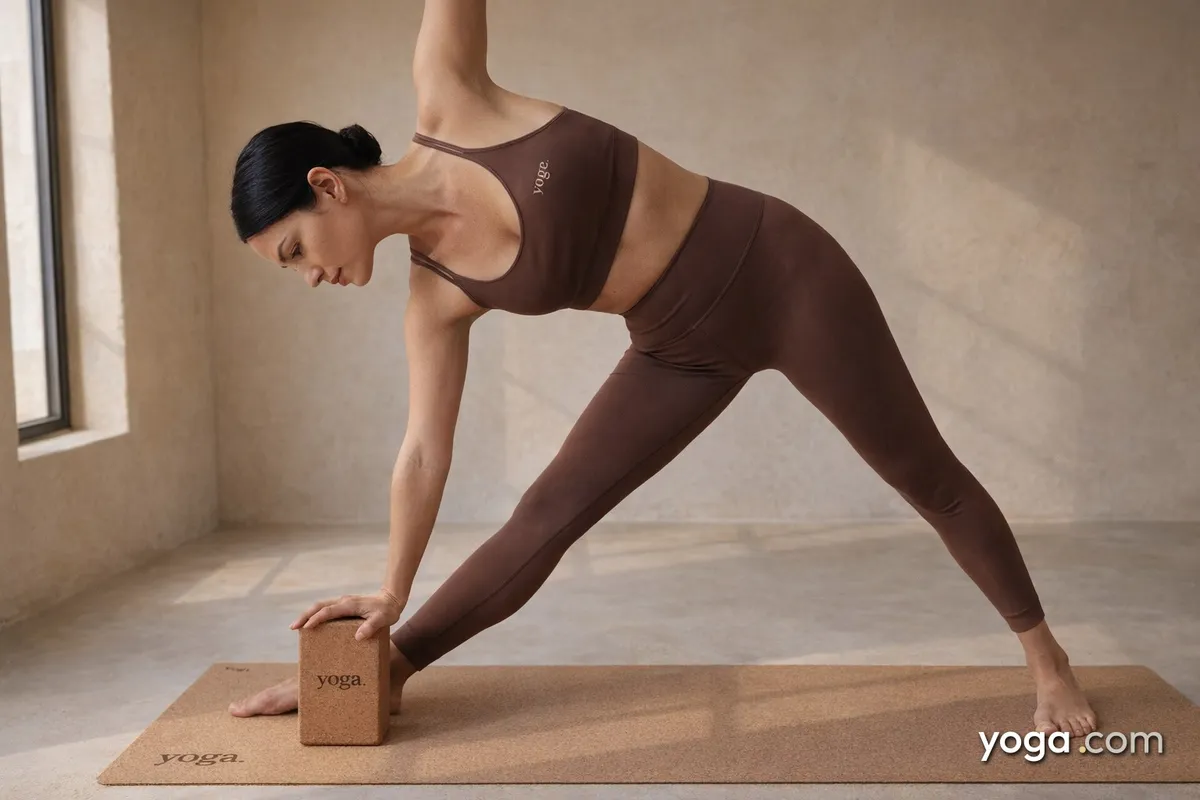
A block under your hand or a strap around your foot isn't a sign that you're not doing the pose. It's how the pose is meant to be done in your body right now. Props let you hold a shape safely - with a long spine and open chest - instead of collapsing to reach a depth that creates strain.
Experienced practitioners use props all the time. Grab them without a second thought.
What To Do With All This
There's no single best yoga style - there's the best style for you, right now. If you want a reliable starting point, a beginner Hatha class is hard to beat. If you're stiff or stressed, try Yin or Restorative. And wherever you land, remember that every experienced practitioner was once exactly where you are: standing at the back of the room, unsure which foot goes where. That's not a problem to fix. It's just the beginning.