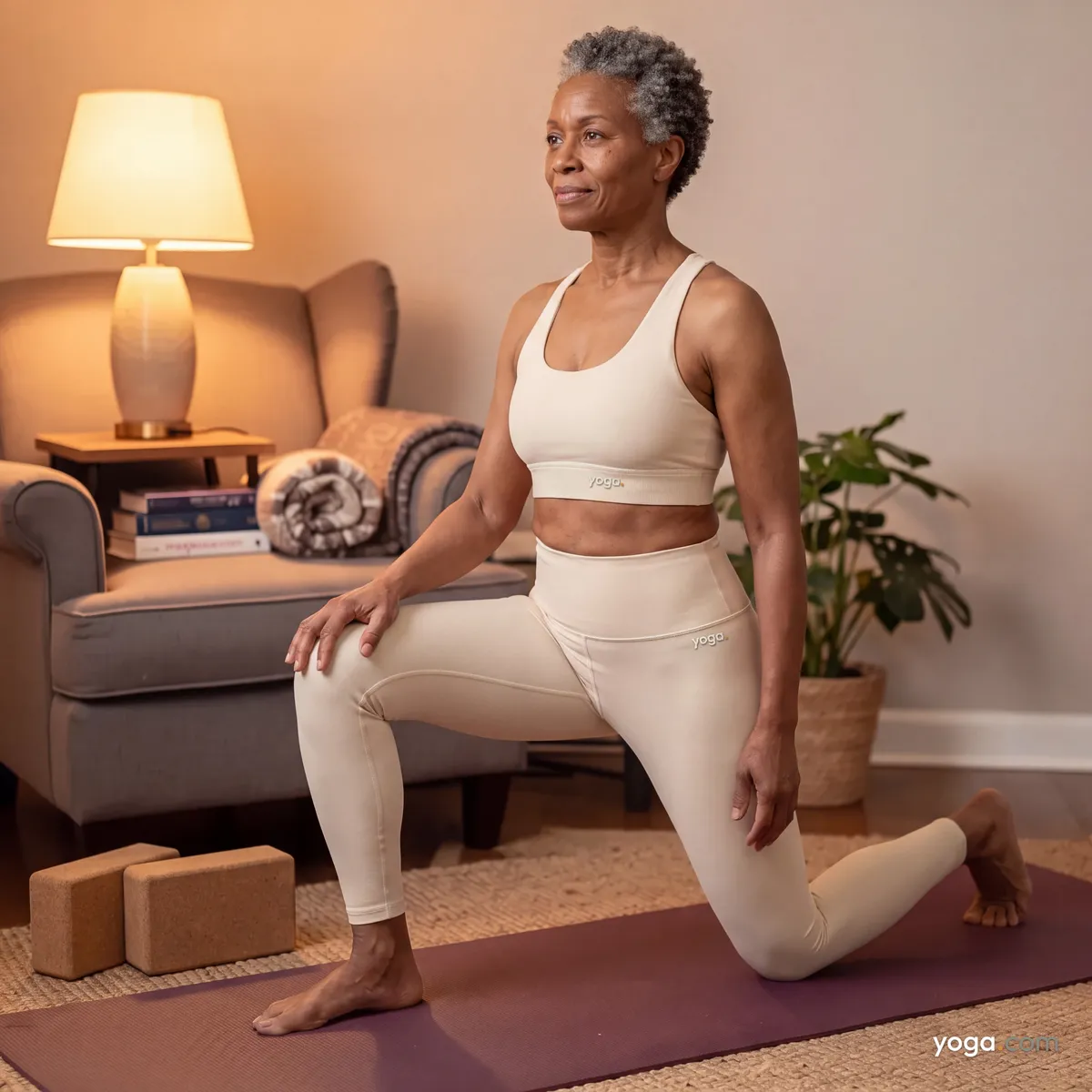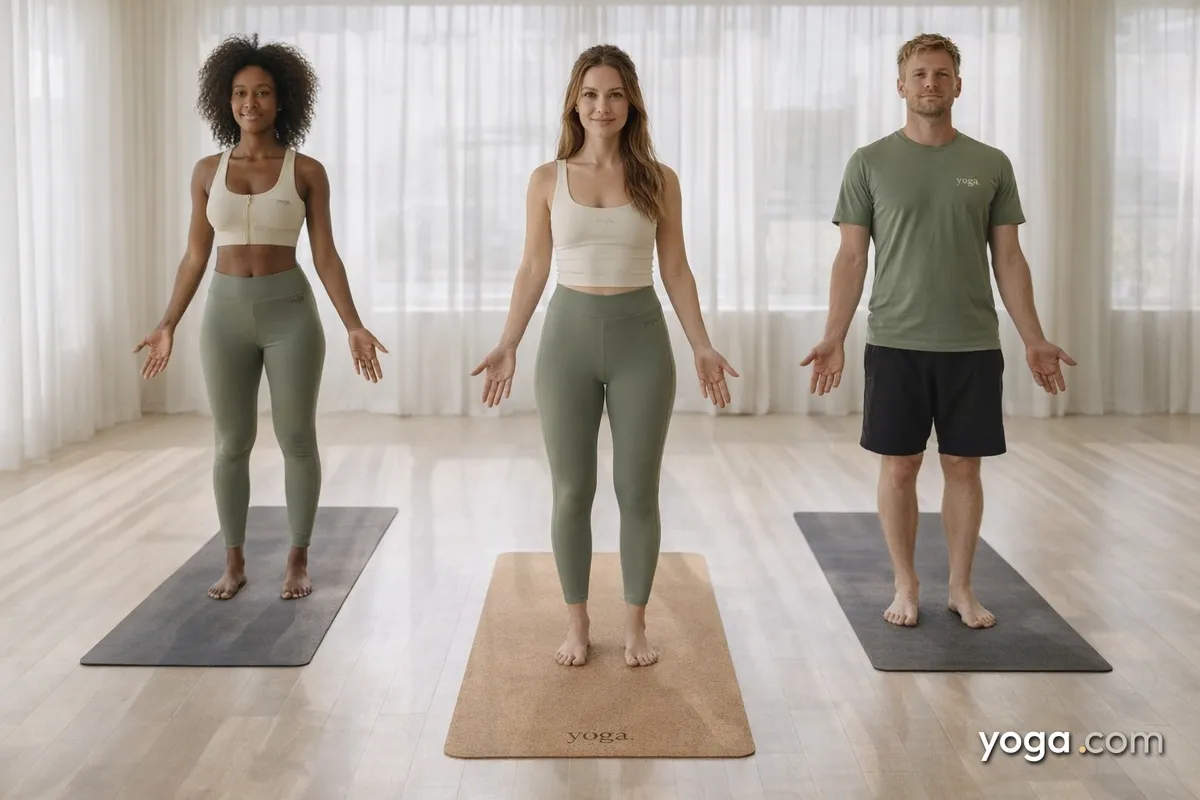
This guide covers three things: what yoga actually is, what it can do for you, and how to take your first steps with confidence. Flexibility is not a prerequisite, and neither is serenity or some prior initiation - yoga has never belonged to one kind of person. It's one of the most adaptable practices on earth.
What "Yoga" Actually Means
Yoga is a 3,000-year-old tradition rooted in India - and its name tells you everything. The word "yoga" comes from the Sanskrit root yuj, meaning union, or to yoke - to join and direct one's attention. That's the whole point: bringing your body, breath, and mind into the same moment.
One point worth knowing from the start: the physical poses are only a small slice of the tradition. Of the 196 sutras in the foundational Yoga Sutras, only three mention physical posture (asana). The rest cover conscious breathing, meditation, visualization, sound, lifestyle, and diet. The yoga you'll find in most studios today is a modern, movement-focused expression of a much richer system.
That system has a clear structure. The sage Patanjali outlined an eightfold path to awareness called ashtanga - literally "eight limbs" - which includes ethical guidelines, physical postures, breath control, and progressively deeper states of meditation. Most Western classes touch on just a few of those limbs. That's fine. It's still yoga, and it still works.
Which Style Is Right for You?
Walk into any yoga app or studio and you will face a menu of styles. Do not let it overwhelm you. Most beginners do not need to choose the perfect style right away. Here is a plain-language breakdown of the styles you will meet most often as a beginner.
Hatha
Hatha is slow, foundational, and pose-by-pose. Hatha classes hold each position long enough for you to actually feel what your body is doing and begin to understand how your alignment works. Hatha is the gentlest entry point for most people and a great place to learn alignment before anything else.
Vinyasa
In Vinyasa, poses flow from one to the next, linked by breath. Vinyasa is more physically demanding and faster-paced than Hatha. Save this style for once you know the basic shapes, because jumping into Vinyasa as a complete beginner can feel disorienting and make it hard to focus on learning properly.
Yin
In Yin, poses are held for three to five minutes, targeting connective tissue rather than muscle. Yin is deeply calming, but staying still that long challenges beginners in a different way - your mind may struggle just as much as your body. Yin is worth trying after a few weeks of practice.
Restorative
In Restorative yoga, props support your body completely so you can fully release. Think of Restorative as active rest. Restorative is ideal if you are stressed, recovering from illness, or simply exhausted.
The single best rule: choose a class labeled "beginner" or "gentle" first, regardless of your fitness level. The breathing cues and movement patterns are new to your nervous system, and your body needs time to adapt.
What Yoga Can Do for Your Body
The physical benefits of yoga are well-documented and more specific than simply "getting flexible" - the research points to real, measurable improvements.
If you have an existing injury, joint condition, or chronic pain, talk to your doctor or physical therapist before starting yoga. Yoga is supportive and is not a replacement for medical care.
What Yoga Can Do for Your Mind
This is where yoga often surprises people the most. The mental shift - that quiet clarity after class - is real: reduced stress is one of the most commonly reported reasons people keep practicing, and according to the NCCIH, multiple reviews have found that yoga showed benefits for perceived stress and anxiety.
Stress, anxiety, and low mood are very widespread problems. The World Health Organization estimates that one in eight people worldwide live with a mental disorder. Yoga will not replace professional mental health support, but as a daily tool for regulation yoga is genuinely useful and many people find it makes a real difference to how they feel day to day.
The breath is the main mechanism here. Research suggests that slow, deep breathing can engage the parasympathetic nervous system, nudging the body from a stress response toward a calmer state. You do not need to fully understand the neuroscience for yoga to work - you just need to show up, breathe, and let the breathing do its job.
How Quickly Will You Actually See Results?
This is the question every beginner has, and the honest answer is that you will see results sooner than you might think - at least for some things.
Consistency matters far more than duration. Three 30-minute sessions a week will serve you much better than one 90-minute session on a Sunday, because your body needs regular, repeated practice to build the habit.
A Simple Starter Sequence for Your First Week
You don't need a studio to begin. These five poses appear in almost every beginner class and together cover breath, mobility, and gentle strength.
Move slowly. Breathe through your nose. If a pose hurts (not just feels challenging - hurts), come out of it.
Honest Things to Know Before You Start
What To Do With All This
Yoga is older, wider, and more practical than most beginners expect. It is a tradition built on the idea of union - body, breath, and mind moving together - and even a few minutes of that, practiced regularly, can genuinely shift how you feel. You do not need to be flexible or experienced to start. Start gentle, be honest with your body, find a teacher who sees you as an individual, and give it a few weeks before you judge the results. The practice meets you where you are. That has always been the point.