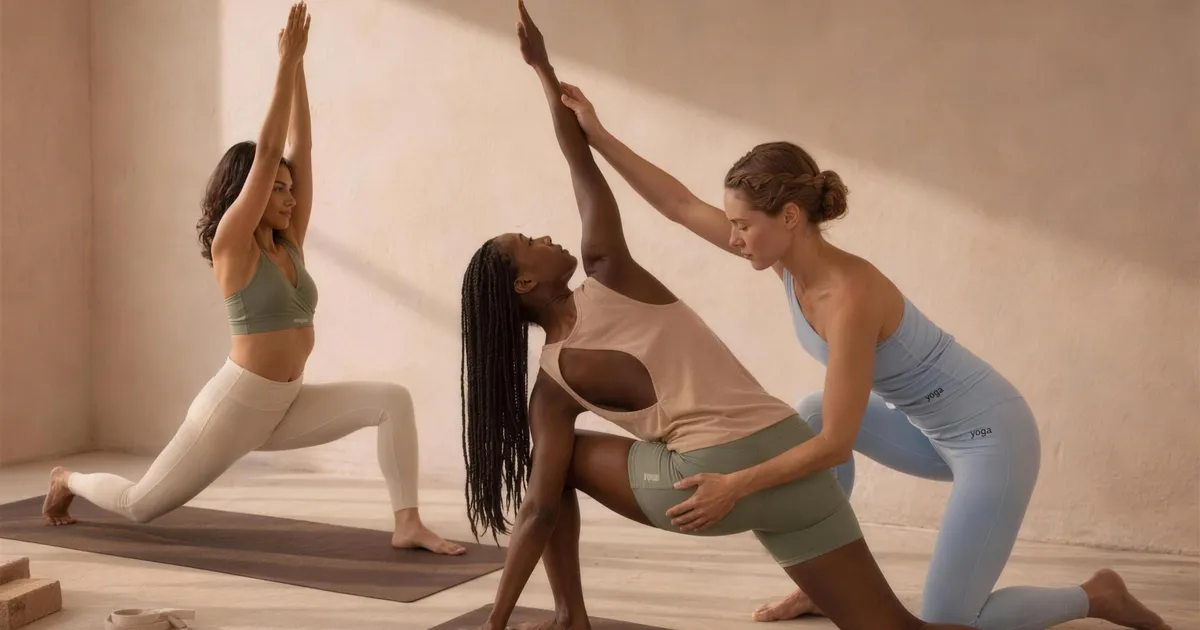
The Week Before, In the Mat Aisle
I knew I wanted to try yoga. I saw videos, read blogs, and heard testimonials. The only problem was, what do I need? Do I need any special shoes or fancy clothing? As a beginner, would I even enjoy it? A week before my first class, I went shopping. I didn’t know where to begin.I arrived at the store thinking I’d grab a few items off the yoga aisle shelf. After a while, I realized I had to make decisions. Which one do I buy? How much should I spend? Is there something I’m missing?
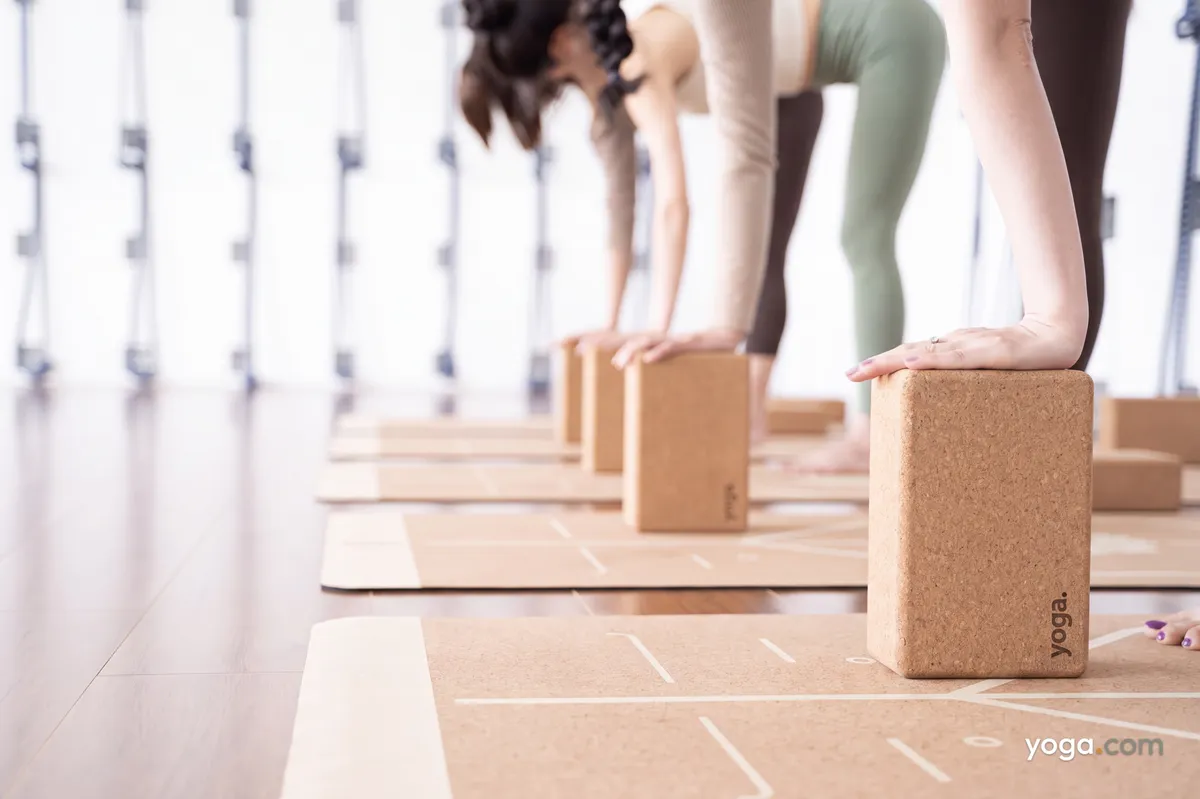
The only thing I really needed was a yoga mat. I didn’t need anything specific or expensive, although some things were definitely more desirable than others.
One of the first decisions I faced was between purchasing a foam mat and a rubber mat. Rubber seems to absorb moisture better, but foam is lighter. When I touched the mats in the shop, the rubber was cooler. Rubber is also a lot more expensive, so I ended up going with foam in the end.
The Expensive Mat I Put Back
My yoga instructor recommended buying a thick mat - around 6 mm to protect your joints if you’re new and have never done yoga before.In that case, I knew I should be spending at least 15 dollars.
I picked up the Manduka PRO yoga mat and checked out the sticker price: $144. That’s an investment if you ask me. It’s an extremely high-quality product with a manufacturer’s guarantee of lifetime durability, as long as you follow instructions on care.
But, at 7 lbs, it wasn’t something I could afford to buy just to find out it wasn’t what I needed. So I left it.
Next, I picked up some samples at Gaiam. The Essentials yoga mat cost $19.98. The Premium yoga mat cost almost twice as much at $29.98. Their Performance Dry-Grip yoga mat cost even more - $69.98.
At the end of the day, both the Gaiam and Manduka brands had decent reviews, with the difference being mostly on thickness and price tag. The thicknesses vary from 4 mm to 6 mm.
Both Gaiam and Manduka make yoga mats with different textures and colors. If you are just trying out yoga for the first time, you don’t necessarily want to invest that much money into something you may eventually grow tired of doing.
One Box: Block, Strap, Done
Next, I decided to grab some props for support and stretching. Again, there are tons of options here. I could see myself using them at home or at the gym, so I grabbed a couple of blocks as well as a strap.The block I chose is made of foam and measures at 9" x 6" x 4", which is standard.
Blocks and straps aren’t necessary for someone who just wants to try out yoga without investing too much money, but these props can be helpful.
Clothes I Already Owned
For my actual clothes, I wore what I already had in my closet.Purchase yoga-specific clothing if you really want to, but it’s perfectly acceptable to wear what you have.
Lately, the weather had been getting warmer, so I had planned to wear a tank top and leggings from the previous summer. My pants have plenty of space for me to move my body while I practice, and yoga pants have become less fashionable over the past year.
Wear clothes that fit comfortably. Clothes that can move with you as you flow through the poses are better than anything too snug. If your shirt falls over your head when you bend down, you have room for improvement.
Mat Care, Learned the Hard Way
After class was over, I began to roll up my yoga mat and prepare to leave.This is where things got tricky for me. I live alone in a dorm-style apartment with one bathroom, so it took me some trial and error to figure out the best way to do it without having to worry about a wet spot on the floor.
I rolled the mat from the bottom up and made sure it wasn’t wet on the outside. I didn’t want to have to leave it on the floor, so I decided it would be easier to dry it out on my bed, where it wouldn’t get dirty.
You need to ensure that the mat has a chance to dry out properly before storing it. Otherwise, it can develop molds and bacteria due to leftover moisture from your sweat and the studio environment.
What Actually Changed After
It had been more than a month since I purchased my equipment, and I finally knew what I needed.Now I can say that the items I purchased definitely improved my comfort level during each session. For example, my legs don’t get nearly as sore when I practice with my yoga blocks anymore.
I have noticed that my strength and balance have significantly improved over the months since I first tried yoga.
The Receipt
| Name | Brand | Dimensions | Price |
|---|---|---|---|
| Gaiam Essentials Yoga Mat (6mm) | Gaiam | - | $19.98 |
| Gaiam Premium 2-Color 6mm mat | Gaiam | - | $29.98 |
| Gaiam Performance Dry-Grip 5mm | Gaiam | - | $69.98 |
| Manduka PRO 71" 6mm mat | Manduka | 71" × 6mm | $144.00 |
| Yoga Block and Strap Combo | Gaiam | Block: 9" × 6" × 4" Strap: 6 feet long with a metal D-ring | $14.98 |
- Gaiam Essentials Yoga Mat (6mm) ($19.98); Gaiam's Premium 2-Color 6mm mat ($29.98); their Performance Dry-Grip 5mm ($69.98).
- The Manduka PRO 71" 6mm mat sells for $144.00, weighs 7 lbs, and carries a manufacturer's lifetime guarantee.
- Gaiam sells a block-and-strap combo for $14.98: a foam block 9" x 6" x 4" plus a 6-foot cotton strap with a metal D-ring.
- NIH's NCCIH reports the share of US adults practicing yoga grew from 5.0% in 2002 to 15.8% in 2022.
- NCCIH: the most common yoga injuries are sprains and strains of the knees or lower legs; serious injuries are rare; pregnant women, older adults, and people with health conditions should talk with their health care providers before starting.
- A 2022 motion-sensor study compared 25 yoga instructors with 25 matched non-practitioners: the instructors walked with measurably better gait symmetry (asymmetry index 5.87 vs 8.06) and held steadier single-leg balance.