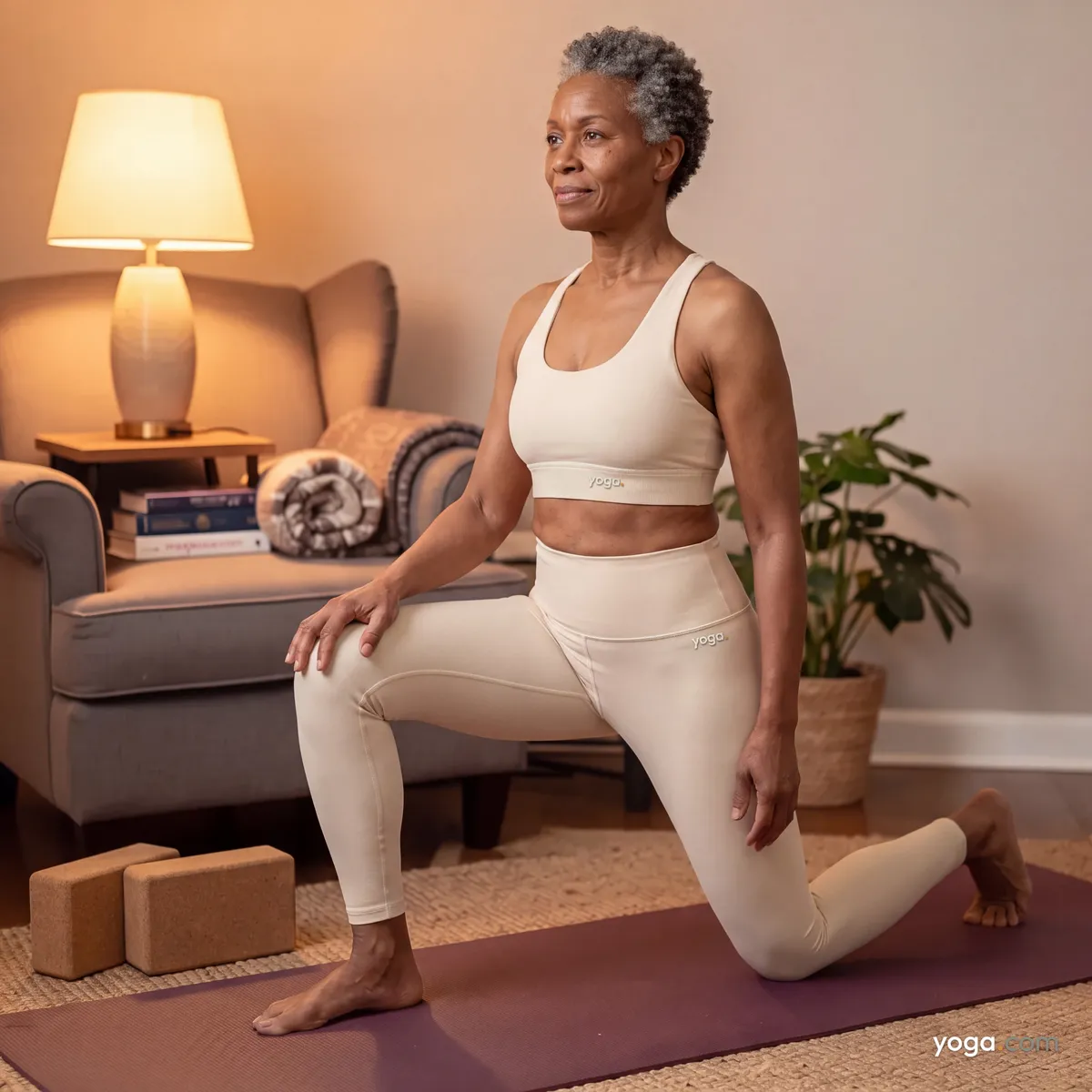
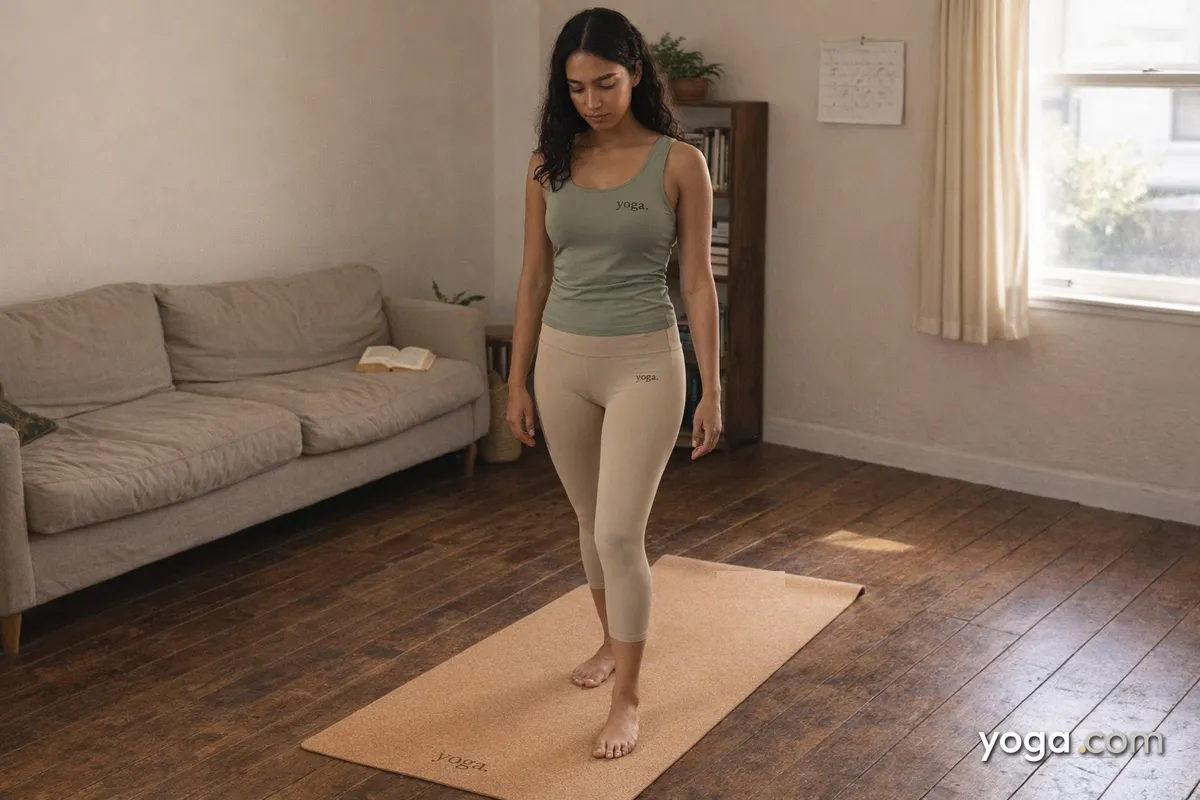
Almost every new student asks the same question within a class or two of getting hooked: how many times a week do I actually need to show up to see real results? The honest answer depends on your goals, your schedule, and how your body feels. But there are clear, research-backed starting points that can help you build a practice that sticks.
Before you begin: If you have an existing injury, joint condition, cardiovascular concern, or are pregnant, please consult your doctor and a qualified yoga instructor before starting any new exercise practice - including yoga. This article is educational and isn't a substitute for individual medical advice.
Start Here: Two to Three Times a Week
Practicing two to three times per week is a solid starting point for beginners. That rhythm gives your body enough recovery time between sessions while providing enough repetition to actually learn the poses and start feeling the difference.
Pick specific days and treat them like appointments. Consistency over a few months will do far more for you than a burst of daily sessions that burns you out in week two.
What the Research Actually Shows
A study published in PLOS ONE followed healthy young women through ten weekly sessions of 90-minute beginner Hatha yoga classes. After those ten weeks, the yoga group showed measurable improvements in balance, flexibility, and core muscle strength. Ten sessions. One per week. Real results.
The same research noted that changes in body composition and cardiovascular markers require longer or more intense interventions - so if those are your goals, patience and gradual progression matter even more.
After eight weeks of practicing yoga at least twice a week for a total of 180 minutes, participants showed greater muscle strength and endurance, flexibility, and cardio-respiratory fitness. Twice a week. Eight weeks. That's an achievable bar.
Should You Practice Every Day?
Daily practice is not the enemy - but for beginners, it can be. When you're new, your muscles, joints, and connective tissue are still adapting to unfamiliar movements. Too much too soon leads to soreness, frustration, or minor injury.
Rest days aren't wasted days. They're when your body integrates the work you've done. Start with two or three sessions, see how you feel after a few weeks, and add a fourth only when the previous pace feels genuinely comfortable.
If yoga is your main workout
Once your body has adapted (typically after a few months), you can work up toward 20-30 minutes on most days - but as a beginner, still start at two to three sessions and build gradually. A mix of active and restorative sessions across the week helps you avoid overdoing any one style.
If yoga is one of several workouts
Two to three yoga sessions per week, totaling at least 60-100 minutes, complements other training well without overloading your recovery.
Your Goals Change the Math
Don't Overlook Breathwork and Relaxation
A Simple Week-by-Week Plan to Build Your Practice
The students who show up steadily for six months almost always outperform the ones who practiced intensely for three weeks and then quit. That's not a judgment - it's how adaptation works.
Class vs. Home Practice: You Need Both
A qualified teacher catches alignment issues you can't see in a mirror and helps you avoid habits that quietly become injuries. Classes matter, especially at the start.
Home practice matters too. Most regular yoga practitioners (58% in one survey) practice 3 to 4 hours per week in and out of class - meaning home sessions are a normal, expected part of a consistent practice. A 15-minute session at home on a non-class day is genuinely worthwhile.
The most common obstacle? Time - cited by 55% of practitioners as their primary barrier to practice. Which is exactly why shorter home sessions are worth defending.
A Note on Safety
These are general guidelines for healthy beginners. If you have an existing injury, joint condition, cardiovascular concern, or are pregnant, please consult your doctor and a qualified yoga instructor before starting - and before increasing your frequency or intensity. Your individual starting point may look different, and that's completely fine.
Before You Go
Two to three sessions a week is where most beginners find their footing. Start there, add breathwork and a short relaxation practice a few times a week, and let home practice fill the gaps between classes. Progress is slow, steady, and cumulative - give it enough time.