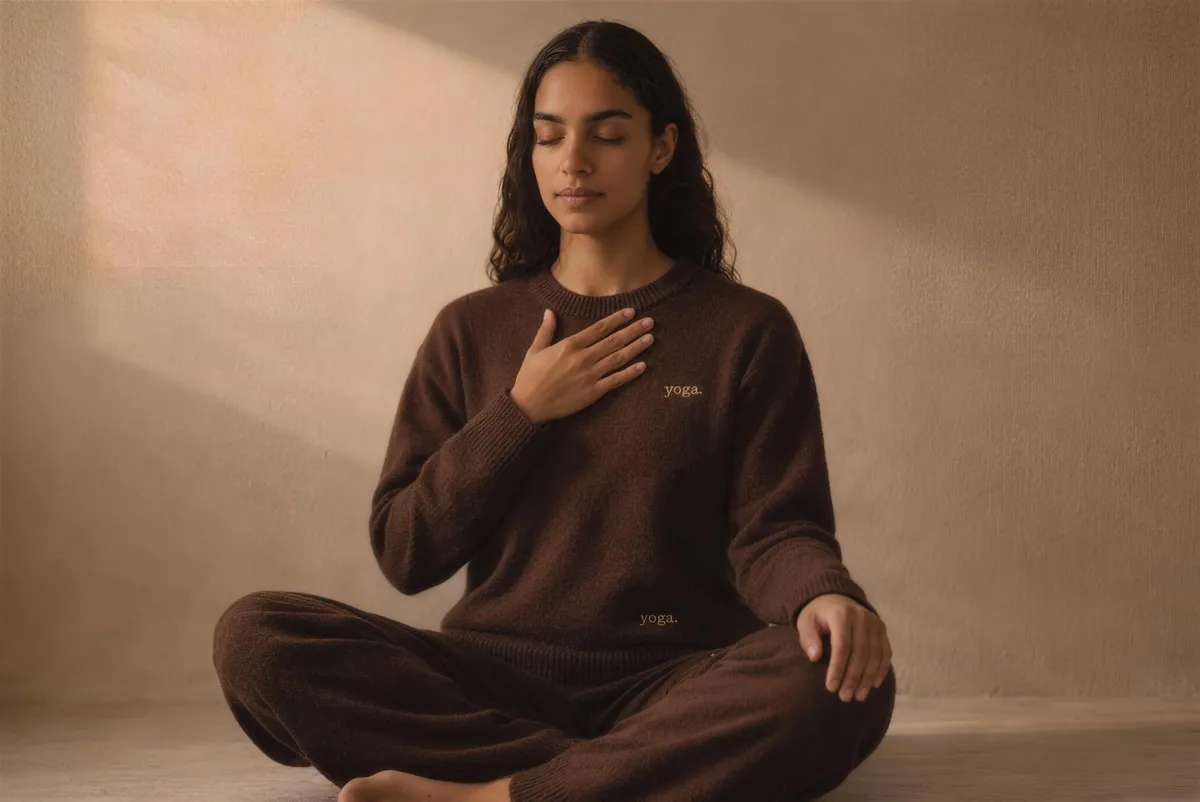
In modern practice the two terms sit side by side on class schedules and app menus, which makes the difference easy to miss. Breath awareness vs breathwork is a genuine distinction: different practices, different mechanics, different effects. Knowing which is which helps you choose the right tool for what you actually need.
Before you begin: If you have a respiratory condition, cardiovascular concerns, a history of panic attacks or seizures, or any other relevant medical issue, please speak with your doctor or a qualified instructor before trying any structured breathwork practice. This article is educational and isn't a substitute for individual medical advice.
The Core Difference: Watching vs. Doing
Breath awareness is passive. You observe the breath exactly as it is - no speeding it up, no slowing it down, no changing the pattern. Your only job is to notice.
Breathwork is active. You deliberately alter the speed, depth, ratio, or rhythm of your breathing. You're in the driver's seat, not just watching through the window.
One practice is observational; the other is interventional. They complement each other, but they are not the same thing.
What Breath Awareness Is (and Why It's a Real Skill)
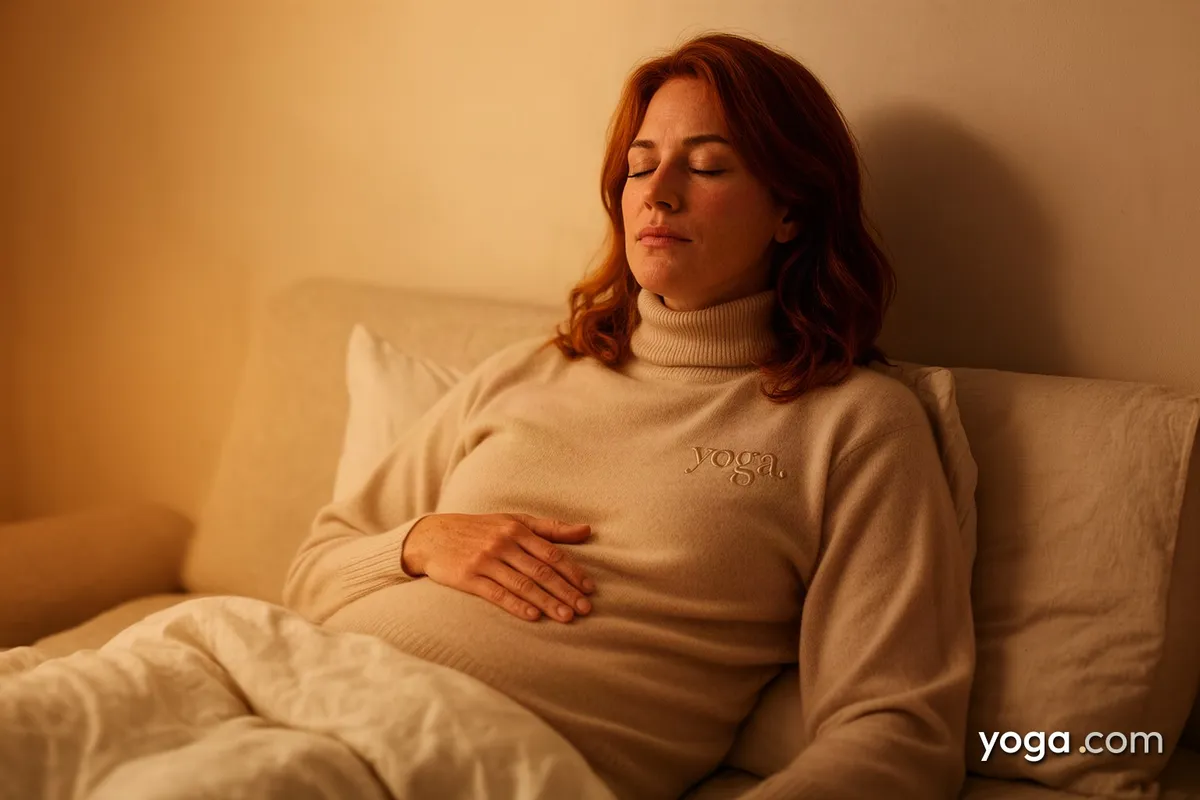
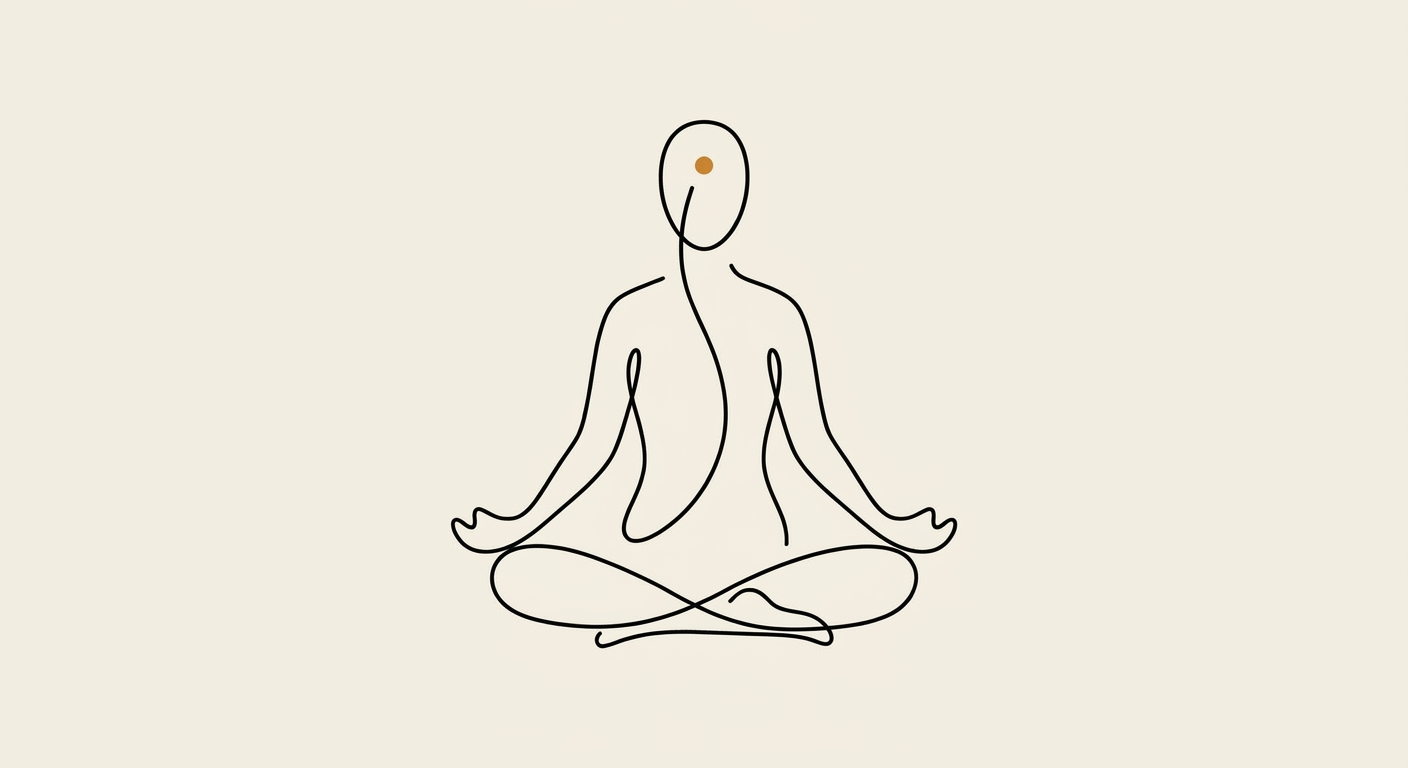
In breath awareness, you sit or lie comfortably and bring your attention to the natural breath - the way you might watch a river without trying to redirect it. When your mind wanders, you simply return. That returning, over and over, is the practice itself.
It sounds simple. It isn't always easy. Most of us go through entire days without once noticing how we're breathing, so the act of noticing becomes something you have to practice on purpose.
What happens in your brain when you pay attention
A study in the Journal of Neurophysiology found that several brain regions linked to emotion, attention, and body awareness are activated when we pay attention to our breath. Specifically, when participants accurately tracked their breath, both the insula and the anterior cingulate cortex - a region involved in moment-to-moment awareness - were active. Simply watching your breath is already doing something meaningful in your nervous system.
A good starting point
- Set a timer for 5-10 minutes.
- Sit in a comfortable position - no special setup required.
- Keep your attention on the natural breath: the sensation at the nostrils, the rise of the belly, the pause between breaths.
- When your mind drifts (it will), gently return. No judgment.
Breath awareness is one of the most accessible entry points into meditation - no equipment, no special technique, and no prior experience required.
What Breathwork Is (and the Techniques Worth Knowing)
Breathwork is an umbrella term for practices where you consciously change how you breathe. These techniques gained momentum in the 1970s and have exploded in popularity over the last decade. Some approaches are rooted in ancient yogic tradition; others are more modern.
A note on safety before exploring these techniques: Rapid and forceful breathing techniques can cause dizziness or raise blood pressure and are generally not advised during pregnancy or for people with hypertension, cardiovascular disease, or a seizure or panic-attack history - check with a doctor first.
Pranayama (yogic breathwork)
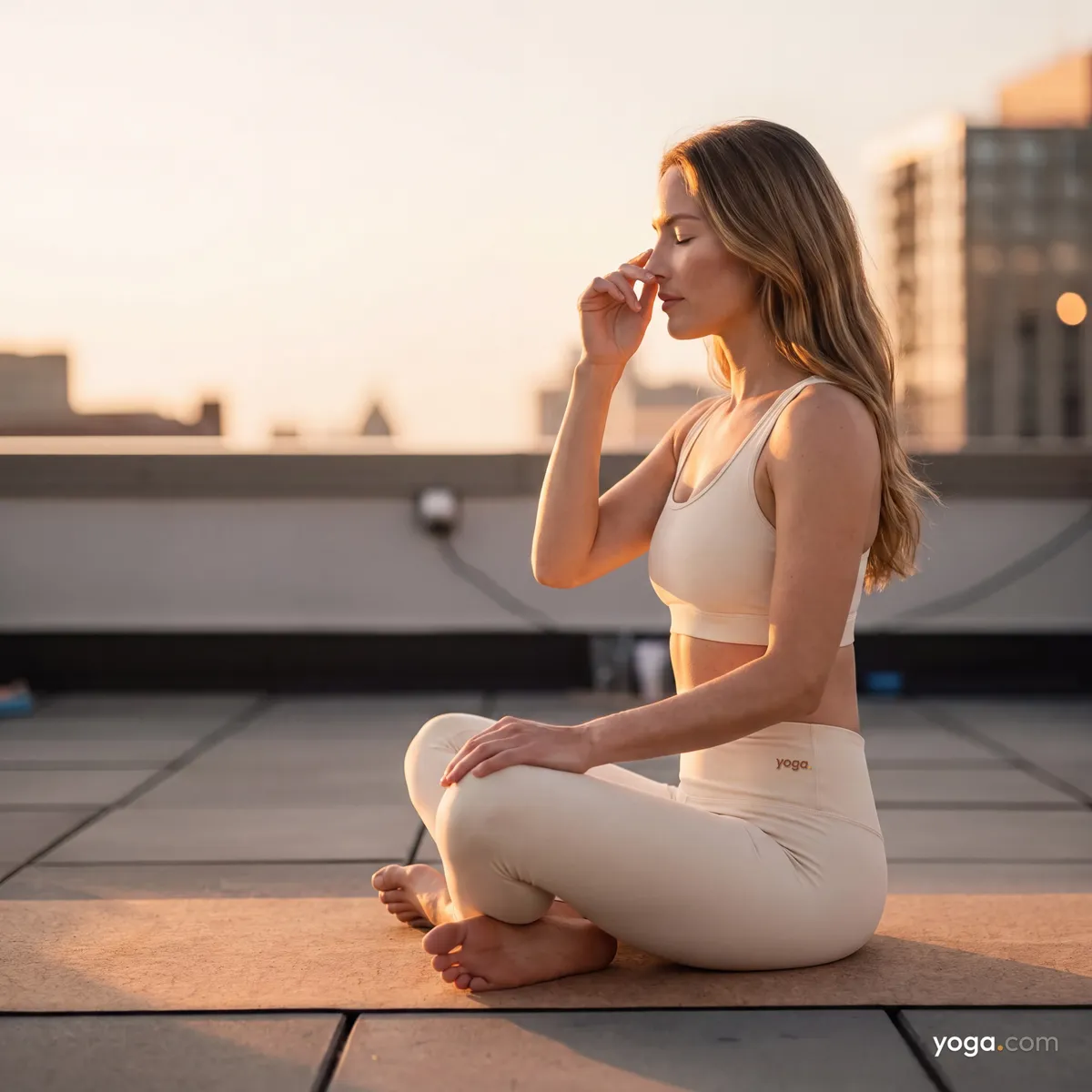
Pranayama encompasses structured breathing techniques from the yoga tradition - examples include Alternate Nostril Breathing (Nadi Shodhana) and Skull-Shining Breath (Kapalabhati). A 2008 study found that right, left, and alternate nostril yoga breathing influence blood pressure in different ways, meaning specific techniques have specific effects. A 2022 study also found that during and after Kapalabhati, participants experienced beneficial changes in heart rate variability. Note that Kapalabhati involves rapid, forceful breathing and is not suitable for everyone - see the safety note above.
Modern breathwork systems
- Holotropic Breathwork - created by Stanislav Grof, uses accelerated breathing to access altered states of consciousness. This technique involves sustained rapid breathing and carries particular caution for those with cardiovascular, respiratory, or psychiatric conditions - check with a doctor before attempting it.
- Transformational Breath - developed by Judith Kravitz, focuses on a connected, diaphragmatic breathing pattern.
- Resonant or Coherent Breathing - uses slow breathing at about 5-6 breaths per minute to optimize heart rate variability and promote relaxation.
Why slower breathing does so much
Slow, even breaths that originate deep in the abdomen stimulate the vagus nerve in a way that signals safety, cueing your body and mind to relax, restore, and release chronic stress patterns. That physiological response is the engine behind most calming breathwork techniques.
The research supports this. A 2021 study found that participants who practiced Sudarshan Kriya Yoga (SKY) breathwork reported less stress, anxiety, and depression - and had improved sleep. A 2020 review of 18 research studies found evidence that breathwork improved symptoms in patients with asthma or chronic obstructive pulmonary disease.
What Your Brain Does With Fast vs. Slow Breathing
The pace of your breathing matters more than most people realize. Increased activity across a network of brain structures - including the amygdala - occurs when participants breathed rapidly, suggesting that quick breathing rates may trigger feelings like anxiety, anger, or fear - though this comes from a small preliminary study.
Slow, paced breathing works the other way. Paced breathing involves consciously inhaling and exhaling according to a set rhythm, and prior research shows it can both focus attention and regulate the nervous system.
Stress is strongly associated with poorer memory and more aches and pains, and research shows that people with heart disease do worse over time if they don't manage stress. Breath practices are one accessible, evidence-informed way to address that - available at any moment, at no cost.
When to Use Awareness vs. When to Use Active Breathwork
Match the practice to your goal. The distinction between breath awareness vs breathwork becomes especially practical here, because each serves a different purpose depending on what you need in the moment.
- Choose breath awareness if you want to build general mindfulness, feel more present during your day, or lay a foundation before trying structured techniques. It's gentle, low-risk, and a valid practice in its own right.
- Choose active breathwork if you want to shift your nervous system more directly - to reduce acute anxiety, change your mood, or work toward specific outcomes like better sleep or lower blood pressure.
Breath awareness also makes you a better breathwork practitioner. When you know what your natural breath feels like, you can tell clearly when a technique is changing it - giving your active sessions a more reliable baseline.
How to Start With Active Breathwork Safely
Start small. Some practitioners recommend no more than three to five breath cycles at a time when you're just starting out. As you build comfort, you can repeat a breath cycle about 5-10 times, as often as you wish.
A simple technique to try: breathe in for 4 counts, out for 6-8 counts. A longer exhale is thought to engage your parasympathetic nervous system - your built-in calm response. Do this for a few minutes and notice how you feel.
For those interested in building respiratory strength, research published in 2021 in the Journal of the American Heart Association found that those who practiced high-resistance inspiratory muscle strength training (IMST) for 30 breaths a day for six weeks saw their systolic blood pressure drop by 9 millimeters of mercury.
One important note: If you have a respiratory condition, cardiovascular concerns, a history of panic attacks, or any other medical issue, please speak with your doctor or a qualified instructor before starting intensive breathwork. Plain breath awareness is far lower-risk for most people and is a perfectly valid place to stay.
Knowing Which to Choose
Breath awareness teaches you to notice what's happening; breathwork teaches you to steer it. Both have real value and research behind them. Start by watching your breath for five minutes today - that's enough to begin. When you're ready, pick one simple breathwork technique and try it for a week. The breath is always with you, making it one of the most available tools you have.
Sources
- Yoga Basics - Breathwork Techniques vs. Pranayama
- Harvard Health Publishing - Breath Meditation: A Great Way to Relieve Stress
- Yoga Journal - The Importance of Breath in Yoga
- Yale School of Medicine - The Power of the Breath
- American Heart Association - It's Not Just Inspiration: Careful Breathing Can Help Your Health
- Greater Good Magazine (UC Berkeley) - What Focusing on the Breath Does to Your Brain