Pranayama is the breathing side of yoga. When stress and anxiety run high, these four pranayama practices are the ones yoga teachers mention most often. Consider this a friendly introduction - the finer points are best learned with a teacher.
One thing before we go further: this article is general information about a yoga tradition, not medical advice. Anxiety is a real health matter. If it has become a regular presence in your life, the right person to talk to is your doctor or a mental health professional, and a breathing practice works best alongside that kind of care. Our health and safety disclaimer has the full picture.
Why the Breath Gets So Much Attention
Of all the tools yoga offers, the breath is the most portable. It costs nothing, it goes everywhere with you, and it can be practiced quietly at a desk without anyone around you noticing. That accessibility is a big part of why breathing practices have such a devoted following.
There is also the simple, widely shared experience that slow, unhurried breathing feels calming to many people. A few soft breaths before a difficult conversation, or at the end of a long day, can change the tone of a moment. Yoga noticed this a very long time ago and built a whole family of practices around the breath, known collectively as pranayama.
The Four Classics, in Plain Language
Each of these practices has a Sanskrit name, a long history, and a slightly different character. None of them requires equipment, and all of them are commonly taught to complete beginners.
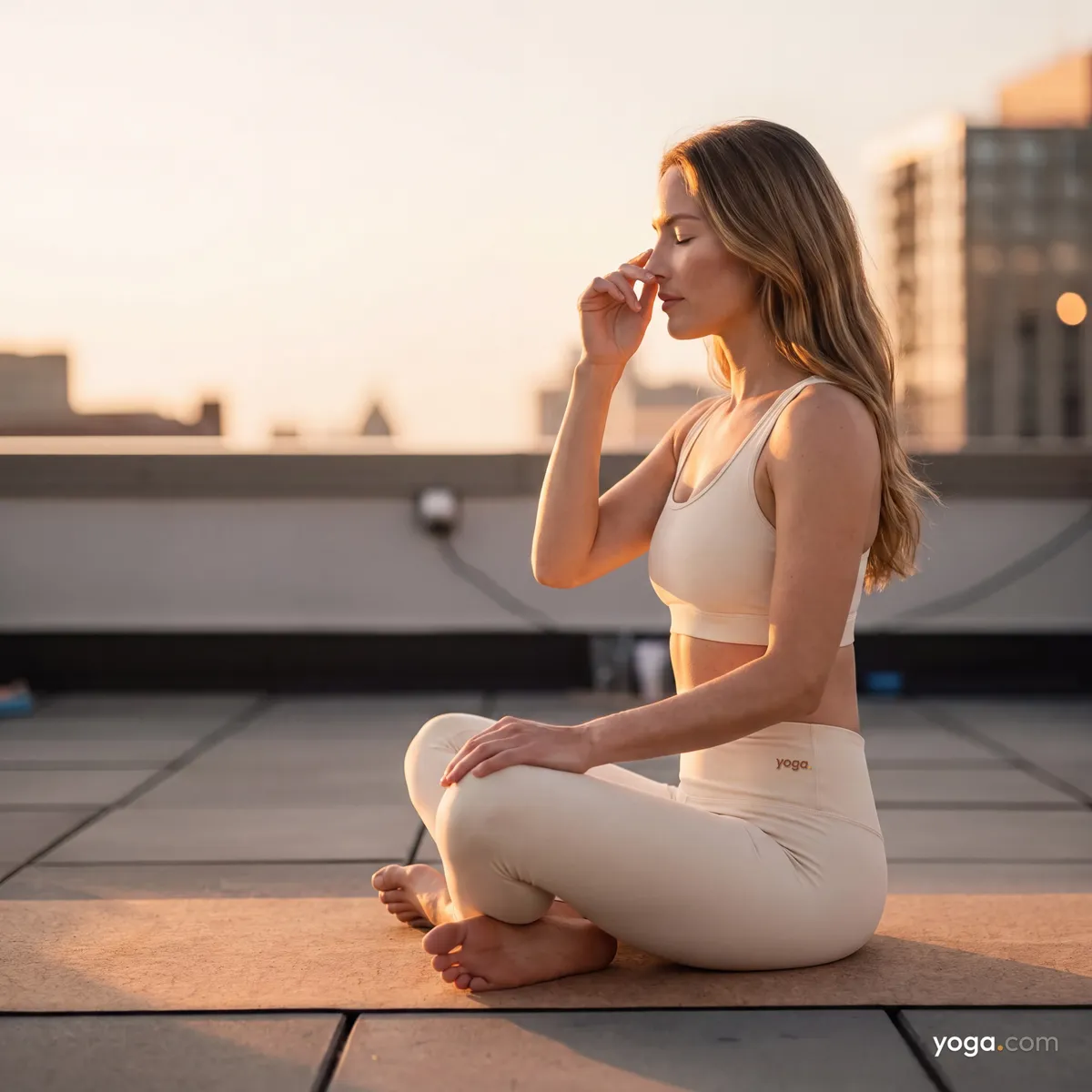
Alternate Nostril Breathing (Nadi Shodhana)
You use one hand to gently close one nostril at a time, breathing in through one side and out through the other in a slow, easy rhythm. Most people find the pattern itself absorbing - it gives a busy mind something quiet to do. It is often the first pranayama taught in a beginner class.
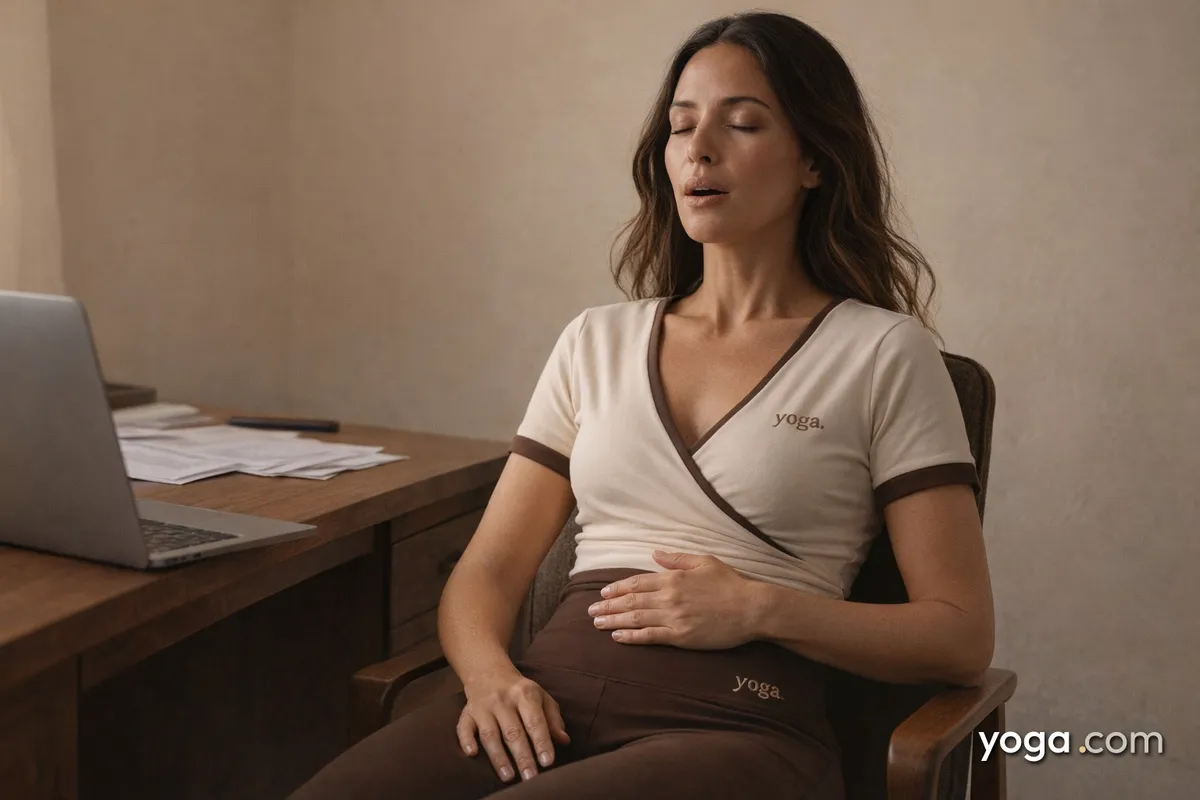
Extended Exhale Breathing
The idea here is simple: let the breath out a little more slowly than it came in. Many people find a long, soft exhale naturally settling, the way a sigh at the end of a hard day can be. There is nothing to memorize - just an easy inhale and a patient, unforced exhale.
Humming Bee Breath (Bhramari)
This one looks a little unusual and sounds even more so. You breathe in through the nose, then hum gently on the way out, like a low "mmm" that lasts the length of the exhale. The soft vibration draws attention inward, and plenty of practitioners describe it as the coziest practice in yoga.
Box Breathing (Sama Vritti)
Box breathing is built on evenness: the inhale, a brief pause, the exhale, and another pause, each given roughly the same gentle length. The steadiness of the shape is the appeal. It has traveled well beyond yoga studios precisely because it is so simple to remember.
A Sensible Way to Begin
If one of these practices appeals to you, the beginner setup is modest and unglamorous:
- Find a comfortable seat, on a chair or on the floor.
- Let the face, jaw, and shoulders stay soft.
- Breathe at a pace that feels easy. Never strain to go longer or slower than feels natural.
- Keep it short at first. A few quiet minutes is plenty.
- If you ever feel dizzy, lightheaded, or more on edge, stop and let your breath return to normal.
One more honest note: if you are pregnant, or living with a heart, lung, or other health condition, mention breathwork to your doctor before you begin, especially anything that involves pausing the breath. And a live class with a qualified teacher is the nicest way to learn all four - most studios teach them regularly, and a teacher can watch and adjust in a way no article can.
Where the Breath Fits in the Bigger Picture
Breathing practices are a lovely part of a balanced life. They pair well with movement, good sleep, time outdoors, and good company. When anxiety is persistent, heavy, or getting in the way of daily life, though, the wise move is to bring it to a doctor or a mental health professional. They can look at your whole situation, and many people practice yoga happily alongside that kind of professional care.
Anything specific to your own health - how often to practice, how long, whether a particular technique suits your circumstances - is a conversation for your doctor or therapist rather than a topic an article can settle for you.
An Easy First Step
If one of the four practices caught your eye, try it the low-key way: a comfortable seat, a couple of quiet minutes, and no expectations. Notice how it feels, and whether you would like to learn more in a class. The breath will still be there tomorrow, which is the most reassuring thing about it.