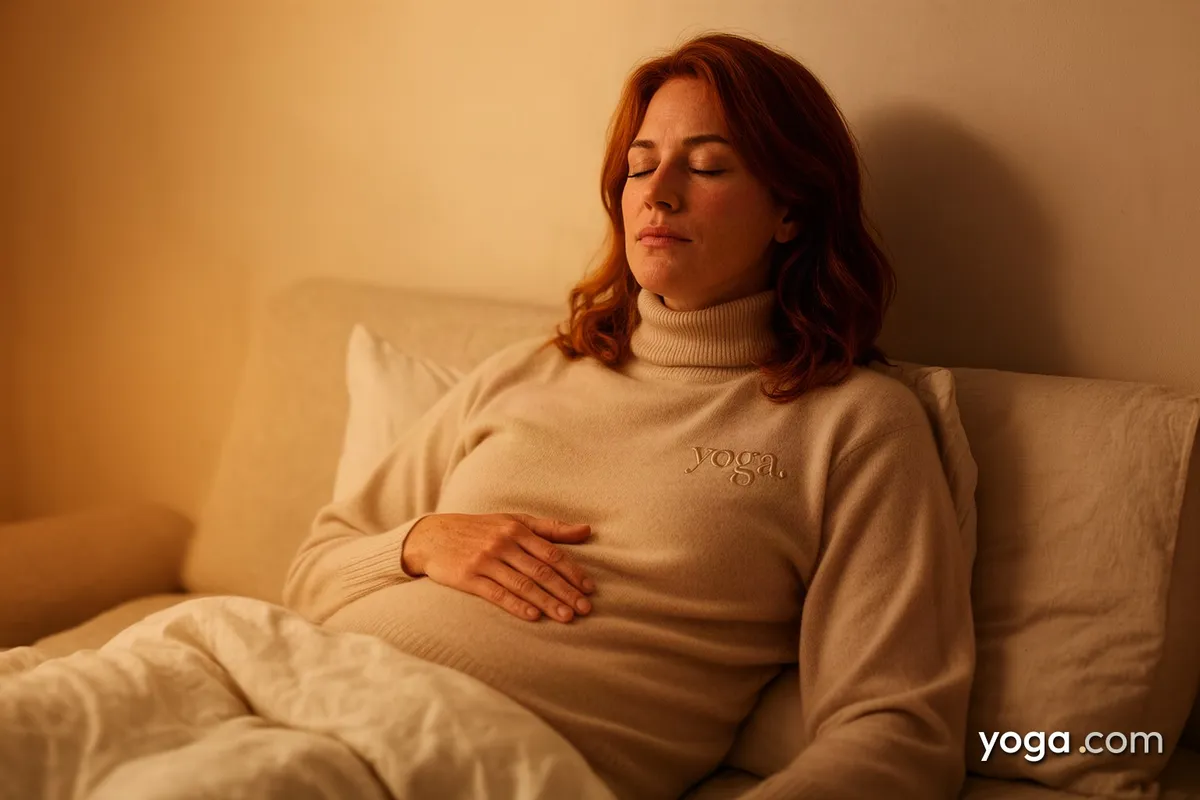
You're lying in bed, eyes open, mind racing - and sleep feels miles away. Sound familiar? A slow, intentional breathing practice done before bed can help shift your body out of "alert" mode and into genuine rest. No equipment, no apps, no expense required.
Why Your Breath Has So Much Power at Bedtime
Your nervous system runs on two settings: the sympathetic (fight-or-flight) and the parasympathetic (rest-and-digest). Stress, screens, and a busy day keep you locked in the first one long after you have turned off the lights and your body still does not feel calm because your nervous system has not received the right signal to slow down.
Slow, deliberate breathing is one of the fastest ways to flip that switch. Your breath gives you direct access to your own nervous system, and that is something not many people realize. Research into contemplative practices points to the vagus nerve - the key driver of your parasympathetic nervous system - as the mechanism behind breathing's calming effect. A long, slow exhale stimulates this nerve, and the vagus nerve in turn lowers your heart rate and quiets the body's stress response so your body finally gets the message that it is safe to rest.
Keep in mind that the exhale is the most important part of the breath cycle. In short: the exhale is where the magic lives.
Sleep Struggles Are Real - You're Not Alone
Up to two-thirds of adults occasionally experience insomnia symptoms, and women are 40% more likely to have insomnia than men. Restless nights are extremely common, and if restless nights feel like your normal, you are truly not alone in dealing with this problem.
Keep in mind that you do not need a prescription or a special pillow to start improving your sleep. A consistent breathing practice before sleep is something you can start tonight, and a consistent breathing practice costs nothing and requires no special equipment, so there is really no reason to wait before giving it a try.
Two Breathing Techniques Worth Trying
1. 4-7-8 Breathing
4-7-8 breathing has ancient roots in yogic pranayama and was popularized in 2015 by integrative medicine specialist Andrew Weil, MD. It's one of the most studied pre-sleep breath techniques available.
Here's how to do it:
- Exhale completely through your mouth.
- Close your mouth and inhale quietly through your nose for 4 counts.
- Hold your breath for 7 counts.
- Exhale slowly through your mouth for 8 counts.
- Repeat the cycle for about two minutes.
The extended exhale is the critical piece. 4-7-8 breathing has been shown to decrease heart rate and blood pressure - exactly the physiological shift your body needs to ease into sleep. A 2022 study of 43 healthy participants found that 4-7-8 breathing significantly decreased heart rate and systolic blood pressure in both sleep-deprived and rested groups.
If holding the breath feels uncomfortable at first, simply skip the retention and focus on a slow inhale followed by an even slower exhale. That alone will help.
2. Bhramari Pranayama (Bee Breath)
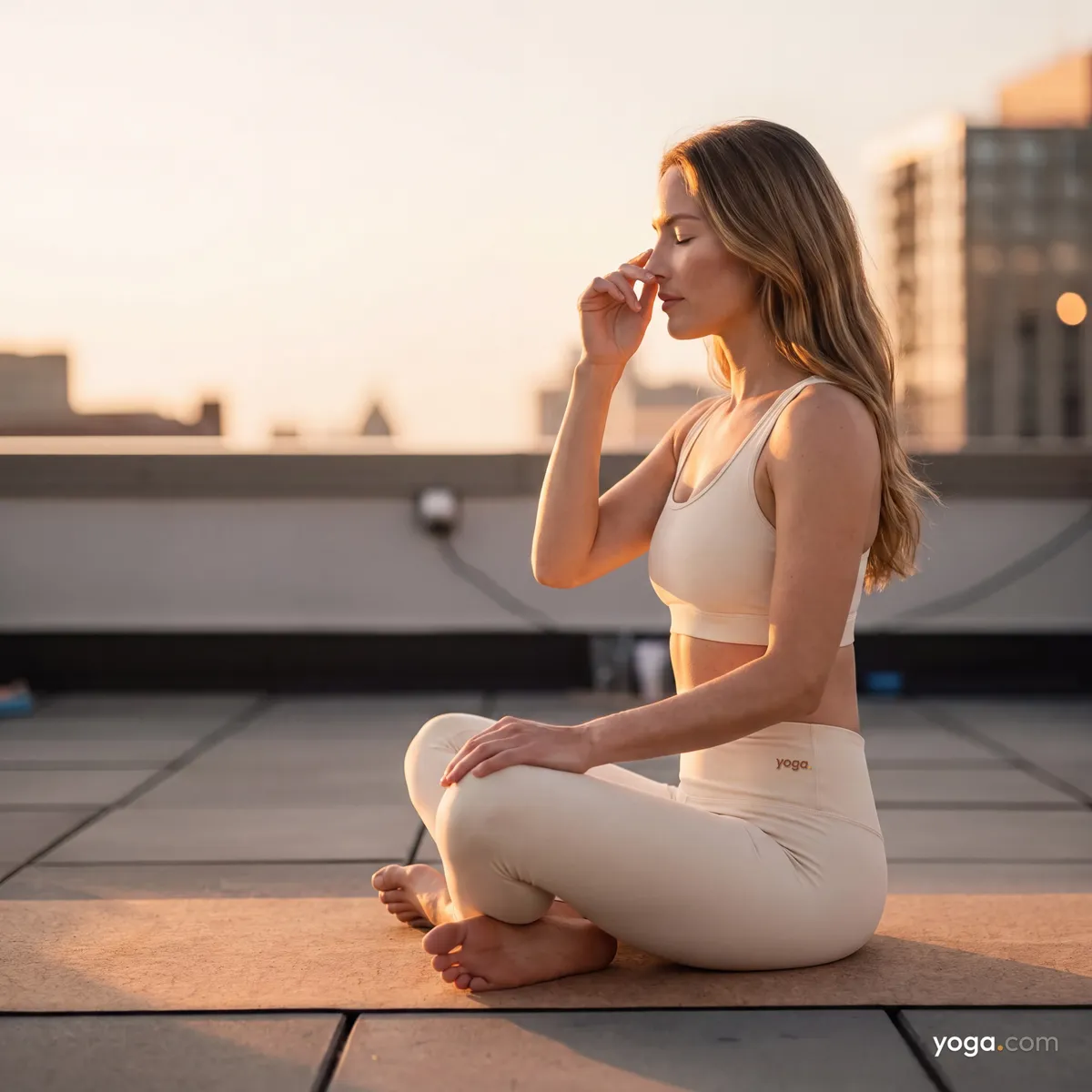
If counting feels like too much mental effort when you're already drowsy, try Bhramari Pranayama. Bhramari, which means "bee breath," uses a soft humming sound on the exhale and can reduce external distractions while helping lower heart rate and blood pressure - readying your body for sleep.
How to practice it:
- Sit comfortably or lie on your back.
- Gently close your eyes and relax your jaw.
- Inhale slowly through your nose.
- On the exhale, make a soft, steady humming sound - like a gentle "mmm."
- Continue for 6-10 rounds.
The vibration of the hum gives your mind something simple to anchor to, which makes it easier to let go of racing thoughts.
The Yoga Connection: This Isn't New
These techniques aren't modern inventions. 4-7-8 breathing has ancient roots in the yogic practice of pranayama - the systematic regulation of the breath that sits at the heart of yoga tradition.
In classical yoga, the breath is broken into four phases: the inhale (puraka), the internal hold (antara kumbhaka), the exhale (rechaka), and the external hold (bahya kumbhaka). Every calming pranayama practice shares one feature: a longer exhale than inhale. Modern sleep science has arrived at the same conclusion through a very different route.
Slow diaphragmatic breathing calms your mind, lowers your heart rate, and relaxes the body - helping you destress and fall asleep faster. That's both thousands of years of tradition and current research speaking in agreement.
How to Build a Simple Evening Routine
Consistency matters more than perfection, and the fact is that even a very basic setup can work well for you. Keep in mind that you do not need a complicated plan to get started. Here is a bare-bones setup that works:
- Pick a fixed time. Even 20-30 minutes before you want to be asleep is enough, and picking the same time each night helps your body learn what to expect.
- Dim the lights. Bright light signals "daytime" to your brain and keeps you wired, so dimming the lights in your room is one of the simplest things you can do.
- Put screens away. Even a few minutes of screen-free time before you begin helps, and giving your eyes a break from screens gives your brain a chance to settle down.
- Get comfortable. Sit up in bed or lie flat on your back - whatever feels easiest for your body.
- Start small. Five to ten minutes is plenty when you're beginning, and starting small means you are much more likely to keep doing it.
Your mind will wander. That is normal, and you should not worry when your mind wanders because it happens to everyone. When your mind does wander, just return your attention to the count or the hum without judgment. On top of that, the practice gets easier and more effective with repetition, so the more nights you stick with your routine, the better your results will be.
One Mistake That Undermines the Whole Practice
The most common error is counting breaths without actually slowing them down. If your exhale isn't longer than your inhale, and if you're breathing at your usual resting pace, you're not giving the vagus nerve the signal it needs.
The ratio matters. The slowness matters. And timing matters too - try to begin your practice before you're already lying awake, frustrated, at midnight. Starting from a relatively calm state makes the technique far more effective.
If you have a sleep disorder or ongoing medical concerns, please speak with a healthcare professional. Breathing practices are a wonderful complement to good sleep hygiene - not a replacement for professional care.
Rest Begins With Breath
Your breath is one of the most direct, accessible tools you have for calming your nervous system before sleep. Whether you try the 4-7-8 technique, Bhramari Pranayama, or simply slow your exhale a little longer than your inhale, you're working with your body's own biology - the same pathway that yoga practitioners have been using for centuries. Give it a few consistent nights, and see what shifts.