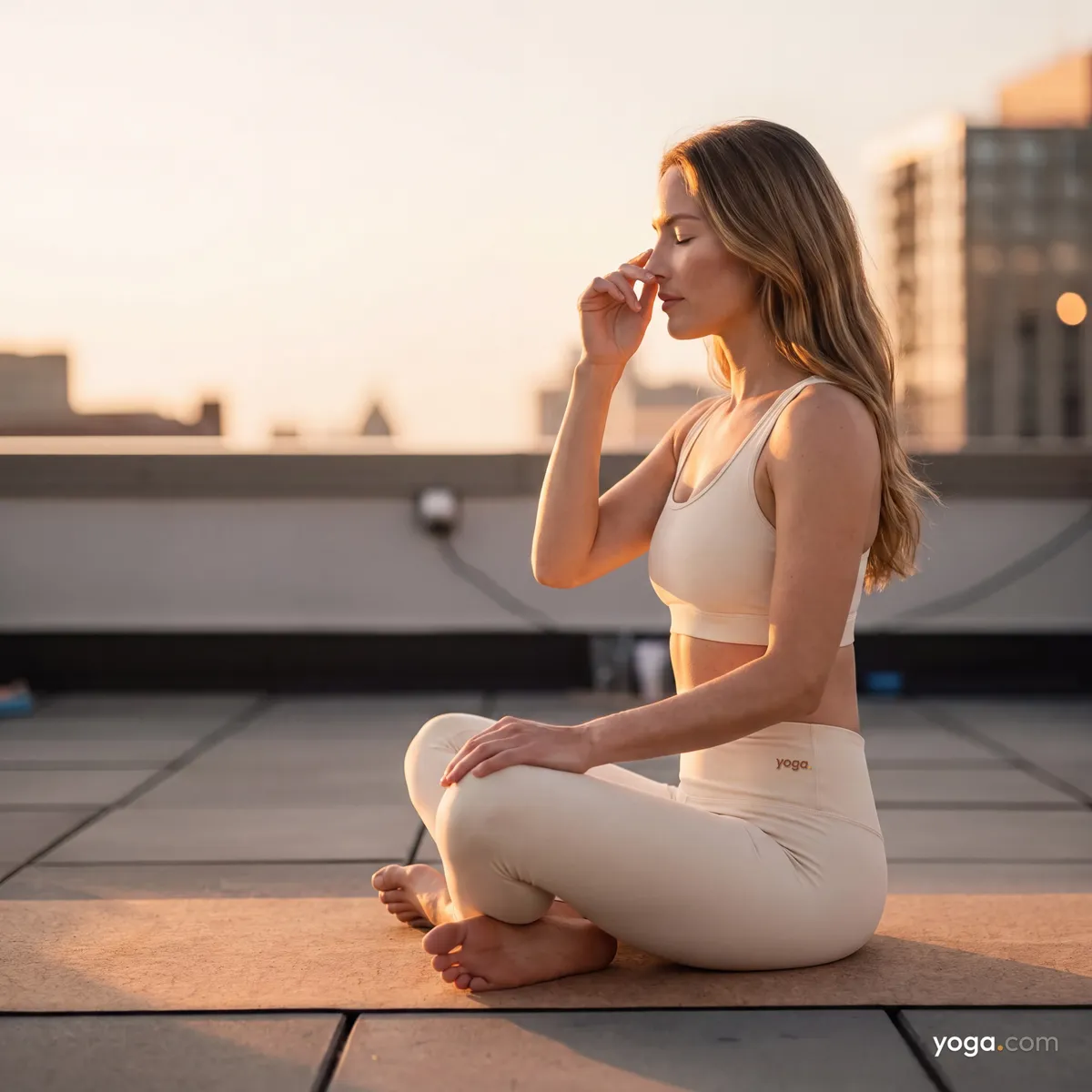
Anxious, exhausted, finally at ease - each state shows up in your breath, and you've probably noticed it happen. Pranayama, the yogic practice of breathing, works with that connection on purpose. If you've been curious but weren't sure where to start, this guide covers exactly what it is, which techniques are genuinely beginner-friendly, and what the research actually says about its effects.
What Pranayama Actually Is
Pranayama literally means "to extend the vital life force" and it is the branch of yoga that is dedicated entirely to breath. Not poses. Not stretching. Pranayama is about breath, consciously guided. Pranayama is not about movement of the body at all - it is about the breath and the breath alone.
Pranayama holds a very meaningful place in the yoga tradition. Keep in mind that pranayama is the fourth of the eight limbs of yoga as written by the sage Patanjali, and so pranayama is considered equally important as the postures that most of us think of first. On top of that, these techniques range from exercises simple enough for a child to those appropriate only for experienced students and so this means there is a genuinely accessible entry point for you no matter what your experience level is. In other words, you do not need to be an advanced practitioner to start your pranayama practice.
Why Beginners Are Drawn to It
Stress relief is the most common reason people start. That instinct is well-founded. A 2023 systematic review in Brain Sciences screened nearly 3,000 articles and found that 54 studies' 72 breathing interventions were effective for stress and anxiety reduction.
Notably, that same review found that effective practices avoided fast-only breath paces and sessions shorter than five minutes, and benefited from human-guided training and long-term consistency. In other words: slow down, stay with it, and consider learning from a teacher.
There's also evidence for respiratory and cardiovascular benefits. A 2020 systematic review in the International Journal of Yoga examined 18 controlled clinical trials of pranayama interventions and found significant effects on cardiorespiratory function, including improvements in pulse rate, blood pressure, and respiratory measurements in people with bronchial asthma.
If you have asthma, a heart condition, high blood pressure, or any respiratory concern, talk to your doctor before beginning any new breathing practice. These findings are promising - but your individual health picture matters.
Three Gentle Techniques to Start With Today
You don't need a mat, a class, or special equipment. Find a quiet seat - on a chair or the floor - and give yourself five uninterrupted minutes.
1. Diaphragmatic (Belly) Breathing
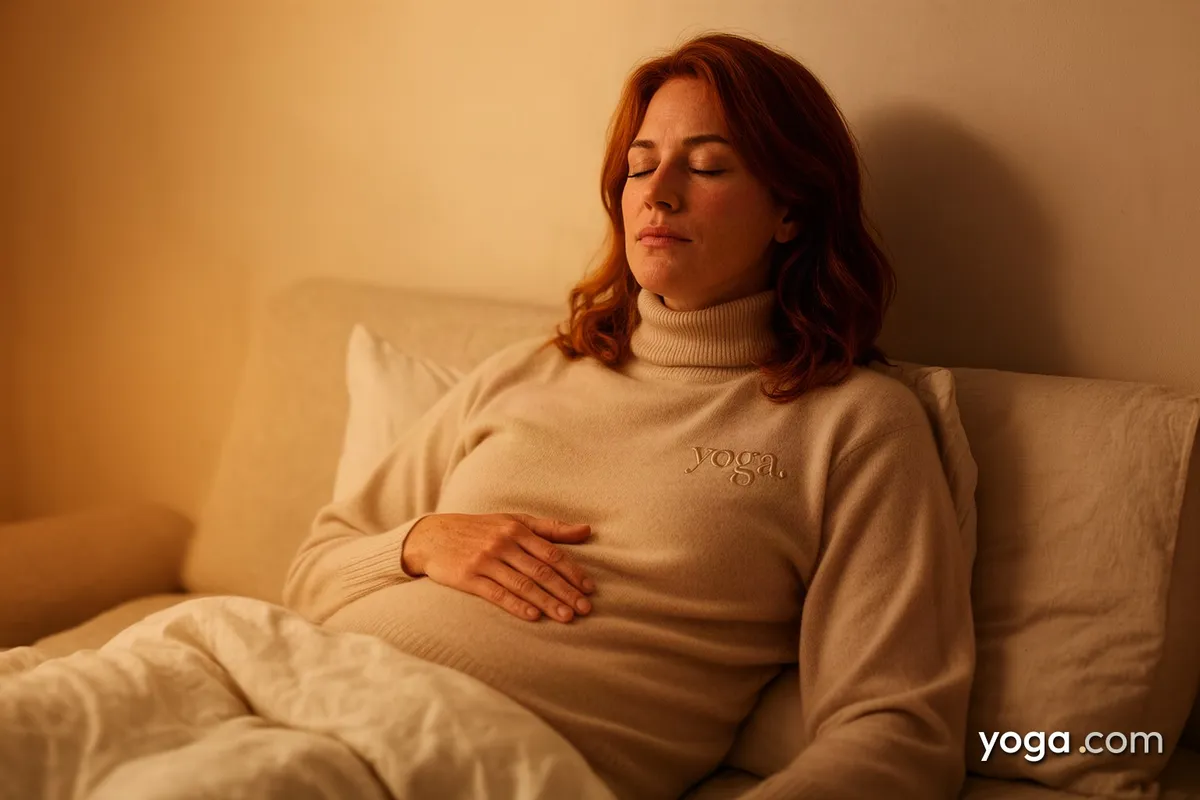
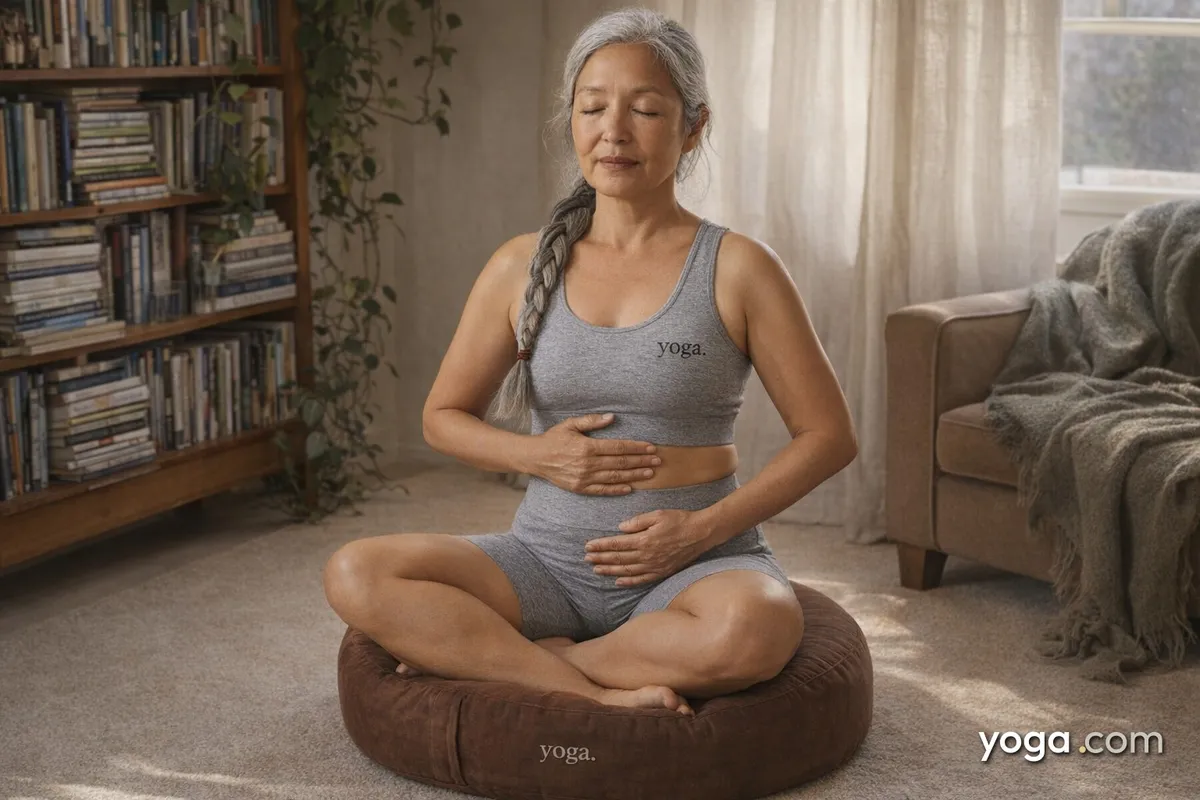
Place one hand on your chest, one on your belly. As you inhale, your belly should rise. As you exhale, it falls. Most beginners breathe only into the chest; this is the first habit to gently shift.
Breathing at a rate of 6-10 breaths per minute increases tidal volume while maintaining optimal minute ventilation - meaning slower, fuller breaths are more efficient than the shallow, quick ones most of us default to under stress.
2. Equal Breathing (Sama Vritti)
Inhale for a count of four. Exhale for a count of four. That's it. Sama Vritti is one of the recommended pranayamas for calming the mind, and it requires no breath retention or prior experience. You can do it sitting at your desk.
3. The Long Exhale
The Long Exhale is a 1:2 practice: you gradually extend your exhale until it's twice the length of your inhale. Start with an inhale of four counts and exhale of six, working toward four and eight over several sessions. Techniques that foster a long, smooth exhalation support the parasympathetic nervous system by activating the relaxation response - the body's built-in counterweight to stress.
Bonus: Three-Part Breath (Dirga Pranayama)
Dirga Pranayama - also called Yogic Breath - is specifically recommended for beginners as it builds the breath awareness needed for more advanced techniques. Breathe into the belly first, then expand into the ribcage, then lift gently into the upper chest. Exhale in reverse. Three slow cycles is enough to feel a shift.
How Long Before You Notice Something?
This question comes up constantly, and the honest answer is that it varies. The 18 trials reviewed in that 2020 International Journal of Yoga analysis ranged from just 4 days to 6 months in duration, with participant groups of 16 to 160 people. Some effects appeared quickly in those studies, and other effects only accumulated over many months of regular practice.
Keep in mind that five to ten minutes a day is a reasonable starting point for most people. Consistency matters far more than session length, so a short daily practice will serve you better than an occasional long one because your body and mind respond better to regular repetition than to rare long sessions.
There is also good evidence for cognitive effects that build over time. One study found that practicing pranayama for 35 minutes, three times per week, for 12 weeks improved cognitive function. On top of that, 12 weeks is not a very long commitment, so you can realistically give your pranayama practice enough time to show real cognitive results for you.
What Beginners Often Get Wrong
- Assuming all pranayama is gentle. It isn't. Techniques like Kapalabhati (rapid forceful exhales) and Kumbhaka (breath retention) are not appropriate for beginners and should not be attempted without an experienced teacher - especially if you have high blood pressure, asthma, or a heart condition. The techniques in this guide involve none of that.
- Expecting it to feel good immediately. For some people it does. For others, the first few sessions feel unfamiliar or slightly uncomfortable. That's normal. It usually settles within a week or two.
- Practicing right after eating. Like yoga poses, pranayama is most comfortable on an empty or near-empty stomach. Wait at least one to two hours after a full meal.
- Pushing through dizziness. If you feel lightheaded at any point, stop. Breathe normally and rest. This is not a sensation to work through.
When to Work with a Teacher
Self-guided practice is a fine place to start - but a qualified teacher can catch patterns in your breathing that you simply can't see on your own. When looking for a class, ask upfront whether it includes pranayama. Not every yoga class does. A good teacher will welcome the question.
Look for instructors registered with Yoga Alliance at the RYT 200 or RYT 500 level, which indicates a minimum standard of training. If your goal is stress management or respiratory support specifically, some teachers specialize in therapeutic or restorative yoga, which tends to emphasize breathwork more than a flow class would.
What To Do With All This
Gentle pranayama for beginners really is as accessible as it sounds, and you do not need any special equipment or prior experience to get started. Start with belly breathing or Sama Vritti for five minutes a day. Keep in mind that even five minutes of daily practice is enough to begin building a real habit. Work toward the Long Exhale as you grow more comfortable, because the Long Exhale is one of the most effective tools you have for calming your nervous system. Stay consistent, and stay patient with yourself, because consistency is what makes the difference over time. The breath has been here your whole life and so you are not learning something foreign - you are just learning to work with your breath more intentionally. On top of that, this small shift in how you relate to your breathing can be quietly transformative in ways that are hard to predict when you are just starting out.
Sources
- PMC / International Journal of Yoga - 2020 Systematic Review of Pranayama Interventions
- PMC / Brain Sciences - 2023 Systematic Review on Breathing Practices for Stress and Anxiety
- Yoga Journal - Pranayama: The Eight Limbs of Yoga
- Yoga Journal - The Healing Breath: An Introduction to Pranayama
- U.S. Department of Veterans Affairs Whole Health Library - Diaphragmatic Breathing
- Yoga Basics - Pranayama: Yogic Breathing Practices