Take a few deep breaths before a hard conversation and notice what happens: you feel steadier, almost right away. That's not imagination. The link between breath, body, and mood is physiological, and once you understand what's actually happening when you slow your breathing, the practice becomes much harder to skip.
Before you begin: If you have a heart condition, lung condition, are pregnant, or are managing a diagnosed anxiety disorder or high blood pressure, please check with your doctor or a qualified health professional before starting a new breathing practice. This article is educational and isn't a substitute for individual medical advice.
Your Breath Is a Two-Way Switch
Most of your body's systems run on autopilot - heart rate, digestion, hormones - all without a conscious decision from you. But your breath is different. You can change it on purpose, right now, and your nervous system will follow.
Fast breathing activates the sympathetic nervous system, spiking stress hormones, heart rate, blood pressure, muscle tension, and anxiety. Slow breathing triggers the parasympathetic response - dialing down every one of those stress markers while turning up relaxation, calm, and mental clarity.
How Fast Are You Breathing Right Now?
Probably faster than feels ideal. Most people breathe at 14 to 20 breaths per minute - roughly three times faster than the 5 to 6 breaths per minute shown to support your best mental and physical state. You don't need to hit exactly 5 breaths per minute to benefit. Breathing at 6 to 10 breaths per minute supports optimal lung efficiency - a range that's genuinely accessible once you practice.
What Your Breath Pattern Is Already Telling You
Your breath is a readout of what's happening inside you. Shallow chest breathing is a classic sign of stress. If your shoulders rise with every inhale, your body is signaling strain - and your breath is confirming it.
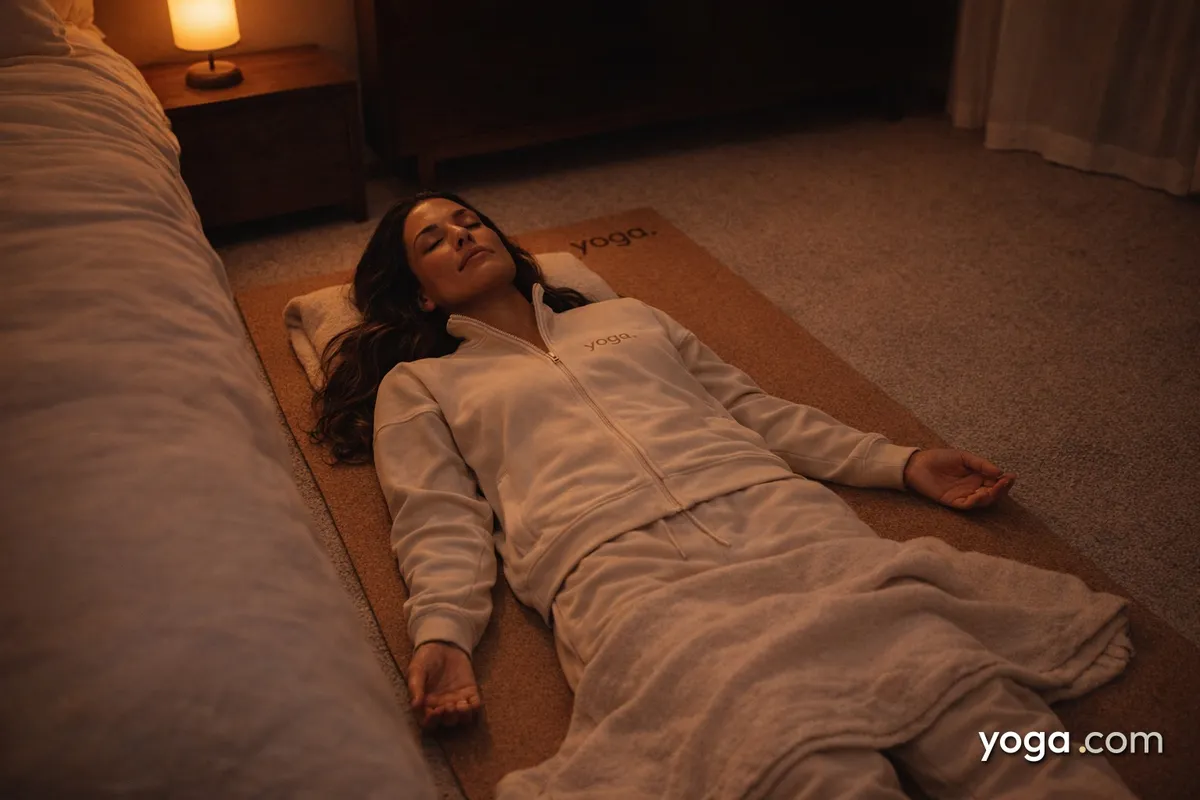
The exhale tells its own story. One Yoga Journal writer describes noticing that when her exhale ran consistently longer than her inhale, she was often feeling defeated or low - a personal observation worth checking against your own experience, since slightly longer exhales are also quite common and normal. By contrast, balanced breathing - equal inhales and exhales - is what naturally shows up in Savasana, during morning meditation, or right before sleep: the pattern your body reaches for when it feels calm and safe.
Because the breath and mind are closely linked, this connection works in reverse. Change the breath pattern deliberately, and your inner state shifts with it.
How to Use Your Breath to Shift Your Mood
Different breath ratios create different effects. You can use this deliberately.
- Feeling anxious or wired? Lengthen your exhalations. A longer out-breath soothes the nervous system quickly. Note: an unconsciously collapsed exhale can accompany low mood, but deliberately lengthening a smooth, unforced exhale is a calming technique, not a symptom.
- Feeling dull, flat, or fatigued? Focus on lengthening your inhalations to invite more energy and alertness.
- Feeling emotionally stuck or low? Equal inhales and exhales are most effective for lifting yourself out of an emotional pit.
This isn't a rigid prescription - it's a starting point. Notice what each pattern does for you.
Three Breathing Techniques Worth Trying
These practices are gentle for most people, but if you have a heart or lung condition, are pregnant, or are managing an anxiety disorder, check with your doctor first - see the safety note below.
1. Extended Exhale Breathing
Inhale for a count of 4. Exhale slowly for a count of 6 to 8. Let the inhale arrive naturally; put your attention on making the exhale long, smooth, and steady - that's where the calm lives. If you only try one technique, extended exhale breathing is the place to start.
2. Box Breathing
Inhale for 4 counts, hold for 4, exhale for 4, hold for 4. The equal ratio of box breathing makes it a grounding practice - especially useful when you feel emotionally unmoored rather than acutely anxious. The structured count also gives your mind something concrete to anchor to. If you're pregnant or have high or unstable blood pressure, skip the holds and simply inhale for 4, exhale for 4. If you're prone to panic, drop the holds too - they can feel triggering for some people.
3. Alternate Nostril Breathing (Nadi Shodhana Pranayama)
Alternate nostril breathing is a classic pranayama technique using slow, controlled breath through alternating nostrils. The steps are simple and repeat in a steady pattern, making it easy to learn. Many yoga teachers recommend it as a go-to practice for steadying the mind before meditation or sleep. Slowing your breath through practices like this eases tension in the body and calms the mind.
Diaphragmatic Breathing: The Foundation of All of It
Diaphragmatic breathing - belly breathing that fully engages your diaphragm - is the physical basis for every technique above. Breathing into your belly rather than your chest naturally slows your rate, and your body responds accordingly.
Most clinicians can teach diaphragmatic breathing to patients in just 5 to 10 minutes. Here's how to start:
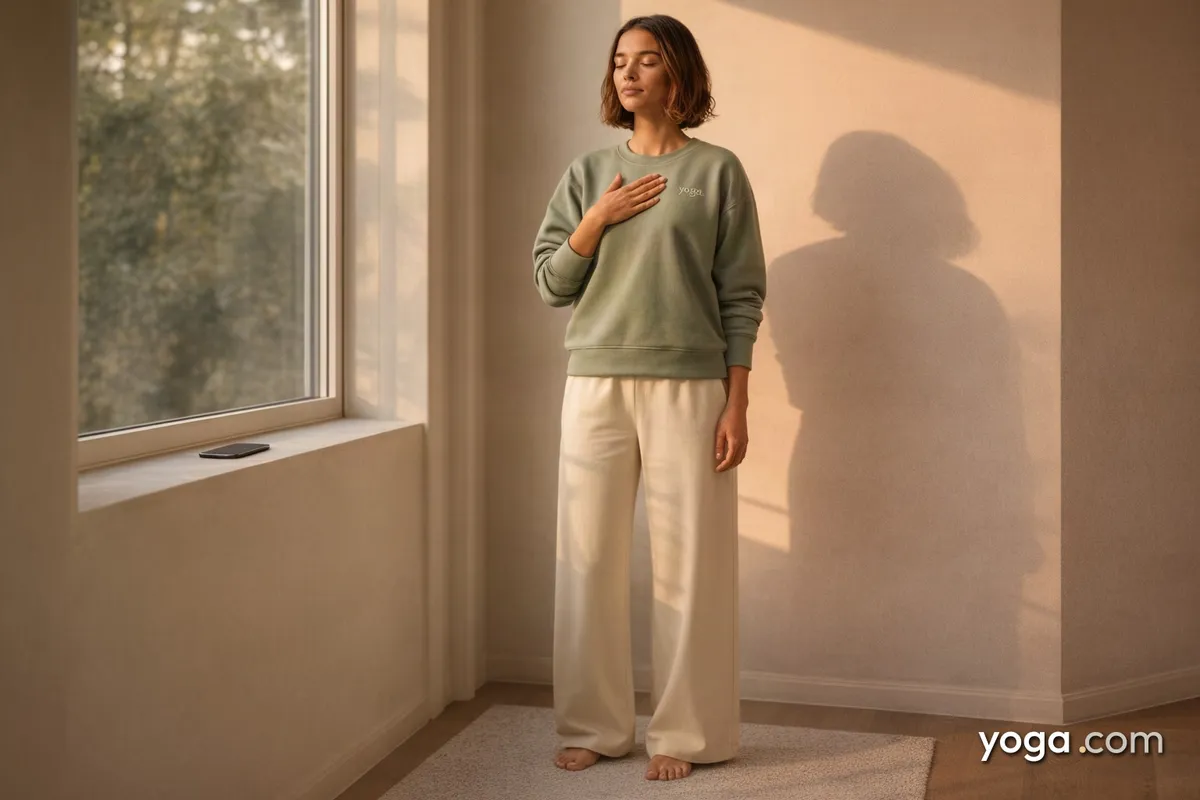
- Sit comfortably or lie down. Place one hand on your chest, one on your belly.
- Inhale slowly through your nose. Let your belly rise while your chest stays relatively still.
- Exhale fully through your nose or mouth, letting your belly fall.
- Aim for 6 to 10 breaths per minute.
If your chest hand is moving more than your belly hand, you're breathing shallowly. Keep practicing - it becomes natural quickly.
A Note on Safety
Excessive or forced breathing can lead to hyperventilation, causing lightheadedness, confusion, chest pain, and trouble sleeping. If you feel dizzy or strange during a breathing practice, stop, breathe normally, and rest.
If you have a heart condition, lung condition, are pregnant, or have high or unstable blood pressure, or are managing a diagnosed anxiety disorder, please consult your doctor or a qualified health professional before starting a new breathing practice. Breathwork is a powerful complement to professional care - not a replacement for it.
Start Breathing Differently Today
Your breath is one of the most accessible tools you have for shifting how you feel - not someday, but in the next five minutes. Slow it down, lengthen the exhale, breathe into your belly. Do that consistently, and your nervous system will respond. Start simple, stay curious, and let the practice build from there.