The booking page has been open in a browser tab for a week now, waiting behind your work calendar and your inbox. Home practice or studio classes got you this far, and something in you is ready to go deeper. If you're weighing yoga retreats for beginners, the same questions probably keep circling: Will I be the least experienced person there? What actually happens all day? Is it worth the cost? This guide answers all of it, so you can walk in on day one prepared instead of anxious.
What Makes a Yoga Retreat Different From a Regular Class
A single yoga class gives you an hour of practice. A retreat gives you days where the whole rhythm of life is organized around movement, breath, rest, and reflection. Meals, mornings, and evenings all support your practice rather than compete with it.
The shift in environment matters more than you might expect. Research on a resilience-building yoga retreat for professionals found improvements in mindfulness, resilience, empowerment, and self-compassion among participants. A 2017 observational study found statistically significant improvements across almost all wellness measures after just one week at a retreat - and those gains were still present six weeks later. The setting itself is doing real work, not just providing a pleasant backdrop.
What a Typical Day Actually Looks Like
Every retreat is different, but most follow a recognizable rhythm:
- Morning practice - usually the longest session of the day, often beginning at sunrise with pranayama (breathwork) followed by asana
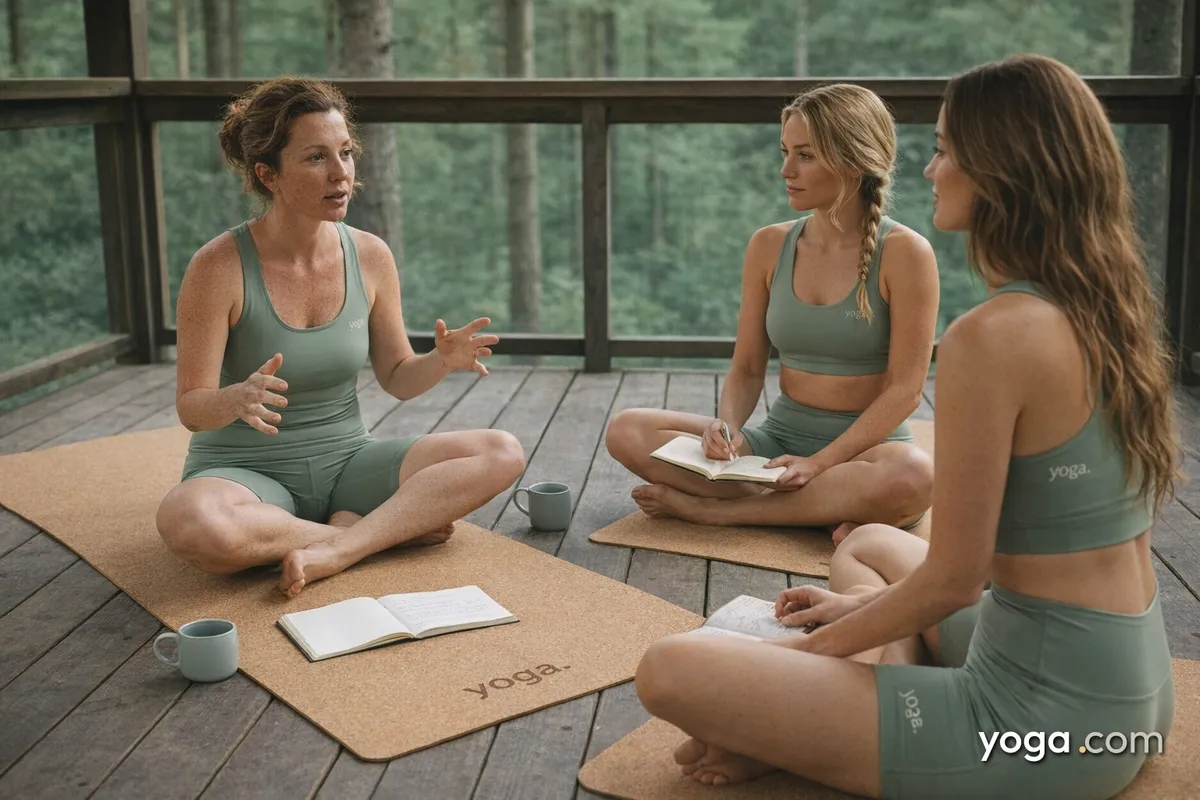
- Breakfast and free time - meals are often vegetarian or vegan; free time might include journaling, hiking, or simply sitting quietly
- A workshop or talk - covering philosophy, anatomy, or a theme that ties the retreat together
- Afternoon practice - typically shorter and more restorative
- Evening gathering - meditation, chanting, or group sharing before an early bedtime
Screens and phones are often discouraged or kept to specific times. That intentional unplugging is part of the point.
The Poses You'll Likely Encounter
As a beginner, you won't be expected to nail advanced postures. Most retreat teachers design sequences that are accessible and buildable. Expect to spend real time in foundational poses like:
- Child's Pose (Balasana) - your go-to resting shape
- Downward-Facing Dog (Adho Mukha Svanasana) - practiced often, refined slowly
- Mountain Pose (Tadasana) - the basis of all standing work
- Warrior I and II (Virabhadrasana I and II) - building strength and confidence
- Seated Forward Fold (Paschimottanasana) - for quieting the nervous system
- Corpse Pose (Savasana) - the non-negotiable closer of almost every session
Good teachers - including those who have led retreats for decades, like Angela Farmer, who has been guiding retreat participants across Greece, England, Florida, and Chicago for more than 40 years - will always offer modifications. Never hesitate to use props or take the gentler variation.
How to Choose the Right Retreat for You
Length and intensity
If you are brand new to retreats, a weekend of two to three nights is a smart starting point - enough to drop into the experience without overwhelming your schedule or budget. Longer programs of seven to ten days offer more transformation, but they ask more of your time and focus, so think carefully before committing.
Setting and style
Think honestly about what kind of environment will help you relax. A mountain forest, a beachside studio, a quiet countryside center - the setting shapes everything. Some people thrive in silent retreats; others need more social warmth. Read the retreat description carefully and notice whether the tone matches your personality.
Teacher credentials
Look for teachers with documented training and real experience. Email the teacher before booking to ask about their approach to beginners.
What Retreats Actually Cost (Real Numbers)
Retreat costs vary widely based on location, accommodation, and program length. Some real benchmarks:
- Kripalu's "Retreat and Renewal" programs run three to five days and cost between $77 and $196 per night, depending on room type - a solid mid-range option with strong beginner programming.
- Mount Madonna Center, on a 355-acre property above Monterey Bay, hosts around 40 programs a year. A typical weekend retreat costs about $150 plus $58 per person per day for double occupancy and vegetarian meals.
- Southern Dharma Retreat Center keeps groups intimate - a maximum of 25 participants - and charges around $55 a night including vegan meals.
- Insight Meditation Society (IMS) in Barre, Massachusetts, running retreats since 1975, offers dormitory-style accommodations for just $38 a day including meals - one of the most affordable options available.
If your budget is tight, look for work-study programs, sliding-scale pricing, or scholarships. Many centers offer these but rarely advertise them, so ask directly.
What to Pack (And What to Leave Behind)
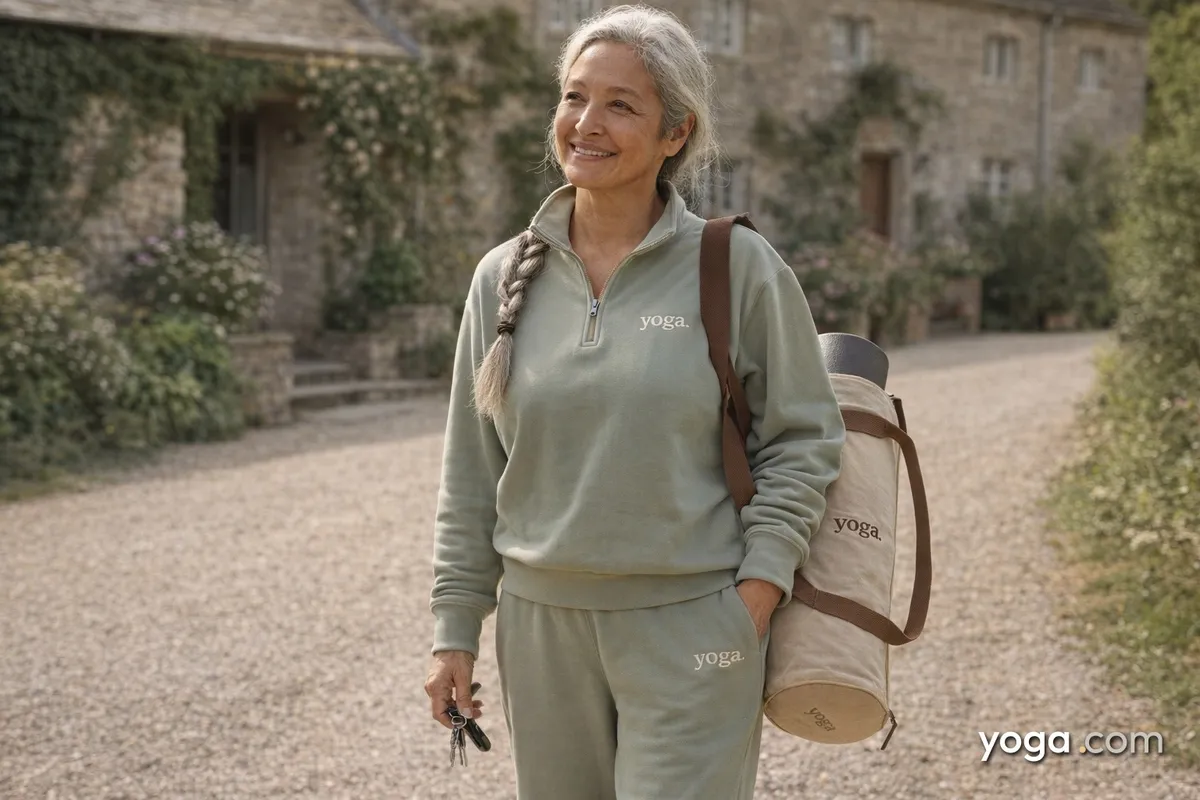
- Comfortable, layered clothing - studios can be cool in the morning and warm by noon
- Your own yoga mat if you have one (many centers provide them, but yours will feel familiar)
- A journal and pen
- Any personal medications and a basic first-aid kit
- An open mind about the schedule - things shift, and flexibility is its own practice
Leave behind: a packed agenda, the expectation of perfection, and - if the retreat encourages it - your phone. Even partial digital detox is part of the reset.
A Few Honest Things Nobody Tells You
You might feel worse before you feel better. Day two of a retreat often brings unexpected emotion - fatigue, restlessness, or a surprising wave of grief or joy. This is normal. Slowing down gives buried things room to surface.
Logistics can be unpredictable. Weather, travel, and the unexpected are part of life - even on retreat. Staying adaptable is the practice.
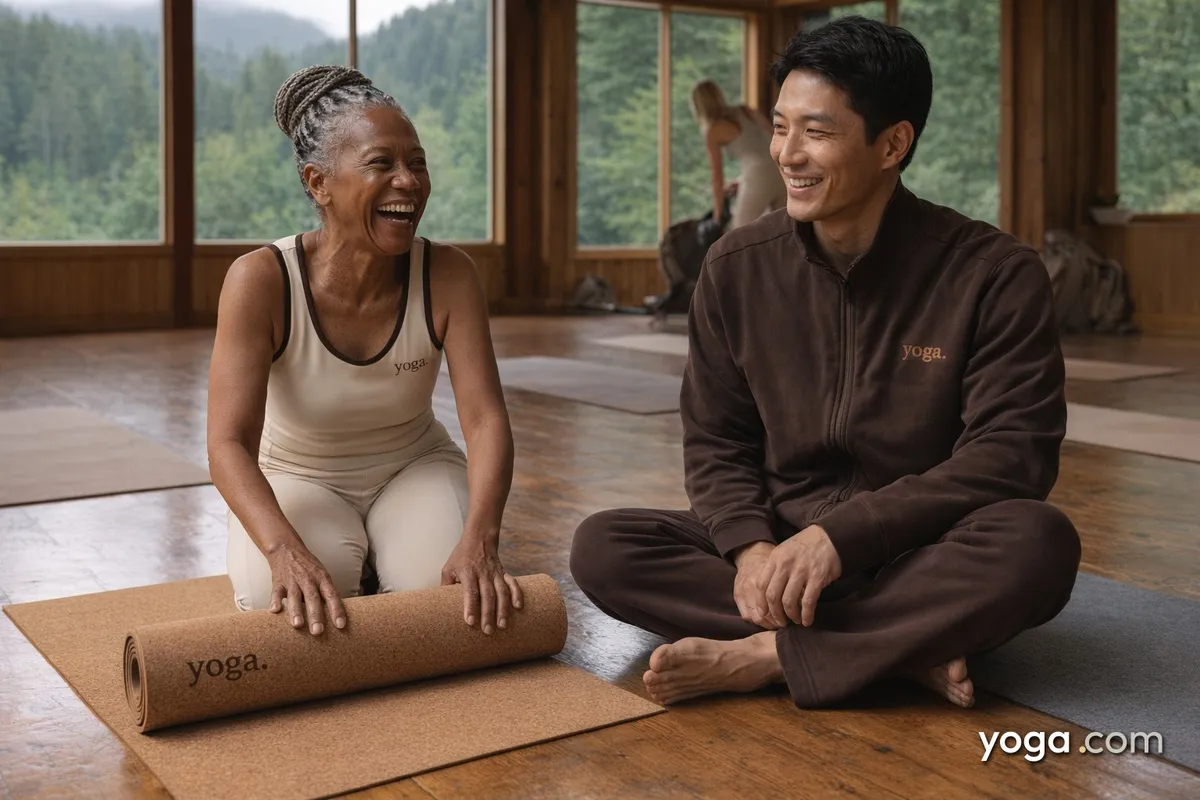
You don't need to be "good at yoga." What yoga retreats for beginners make clear, first time or not, is that retreats are for practicing, not performing. Teachers at beginner-friendly programs have seen every level of flexibility and every kind of nervous first-timer. You will fit in.
If you have any injuries, chronic conditions, or health concerns, talk to your doctor before booking and inform your retreat teacher when you arrive. A responsible teacher will always work with your body, not against it.
One Last Thing
Your first yoga retreat doesn't need to be a grand expedition or a perfectly timed life event - just the right fit for your budget, schedule, and comfort level right now. Pick something that genuinely interests you, arrive with curiosity instead of expectations, and let the structure do its quiet work. You might be surprised how much shifts in just a few days.