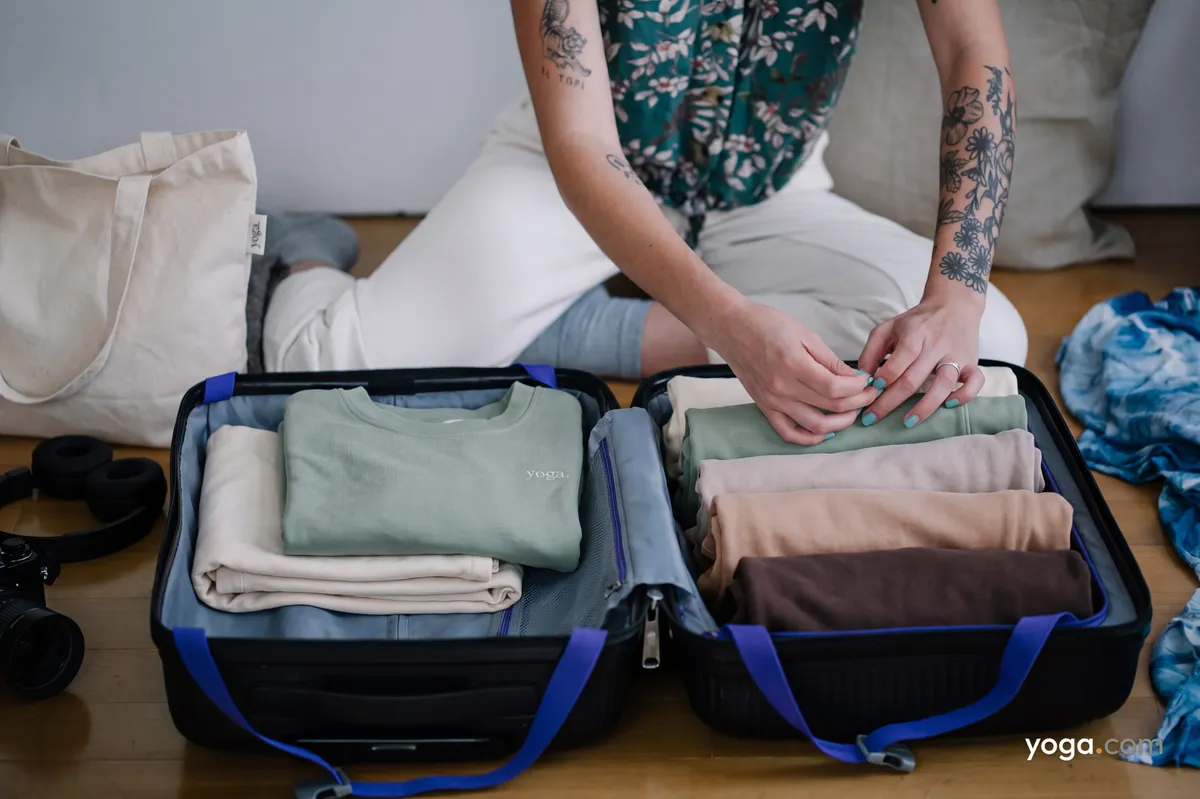
It's 9 pm on a crisp autumn night, and you've just closed the door softly on the house you'll be leaving for two weeks - all packed except for one open suitcase on the bed. The flight is tomorrow morning, and you need a moment to take stock before turning out the light. The welcome packet for your yoga retreat lays on top of a growing pile of essentials, and you begin sorting through its practical wisdom. You flip pages until you find the list of amenities provided at your accommodation - mats, blocks, straps, bolsters - and check them off the list one by one. This was the easy part. Now comes the trickier question of clothing.
The Night Before, Suitcase Open
When you start packing for a retreat - whether it's a jungle eco-lodge in Bali, a mountain hideaway in California, or a beachside shala in Thailand - every retreat wants different gear. Some retreats offer a wealth of amenities, while others ask you to come prepared. The best way to know is to read the welcome packet thoroughly. You could call the retreat center or your travel agent to clarify any questions, but the first step is to see what the center already has on hand, and what you still need to bring.
The Welcome Packet Answers Half of It
Your welcome packet is a guide, giving you the scoop on what the center does - and does not - provide. Check what props are on site, how many, and in what condition. Yoga studios in Bali sometimes rent out new mats, but most centers provide what they consider sufficient - and some, including budget-friendly retreats in Southeast Asia, might offer amenities for free, from sunblock and mosquito spray to mats and towels and meals. Don't assume they do; it varies from place to place, even within the same country, so check again.
Then work through the categories below and fill the gaps.
The Mat Question
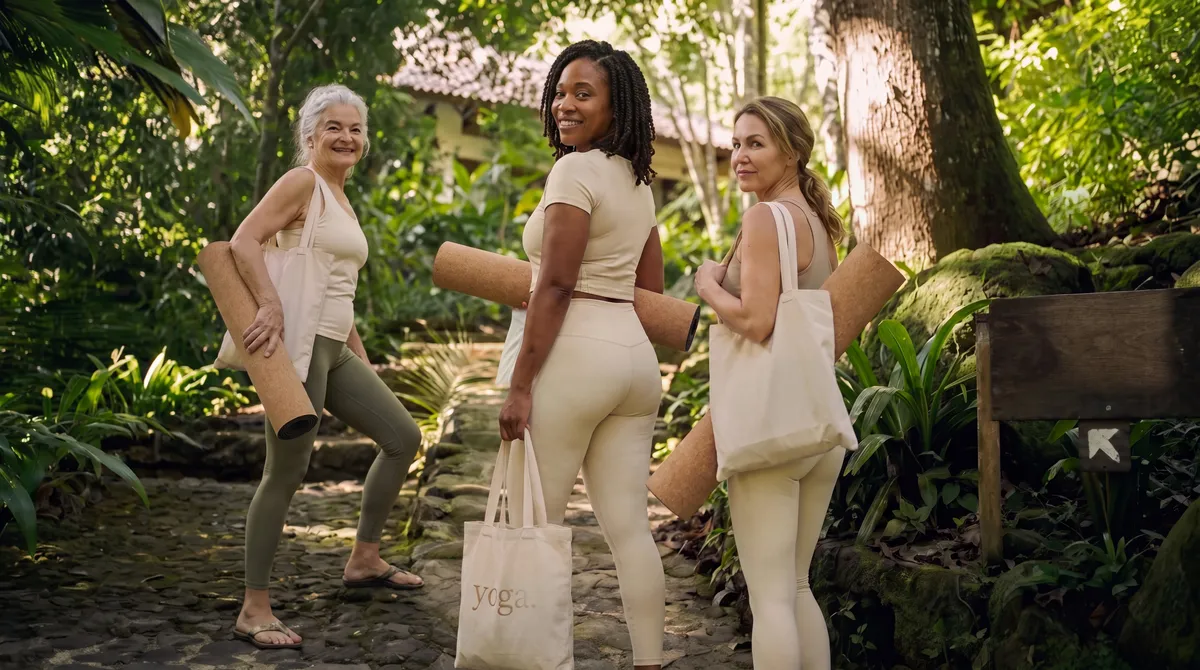
Pick a lightweight mat and you'll have the right one for most retreats. At many upscale retreat centers and yoga hotels, you can leave your travel mat at home and let them take care of it. If you must bring one, opt for something portable and foldable. Manduka offers the eKO Superlite yoga mat, which is just 1.5 mm thick and made of natural rubber, ideal for travelers. At others - especially places known for hard floors or old mats - bring your own.
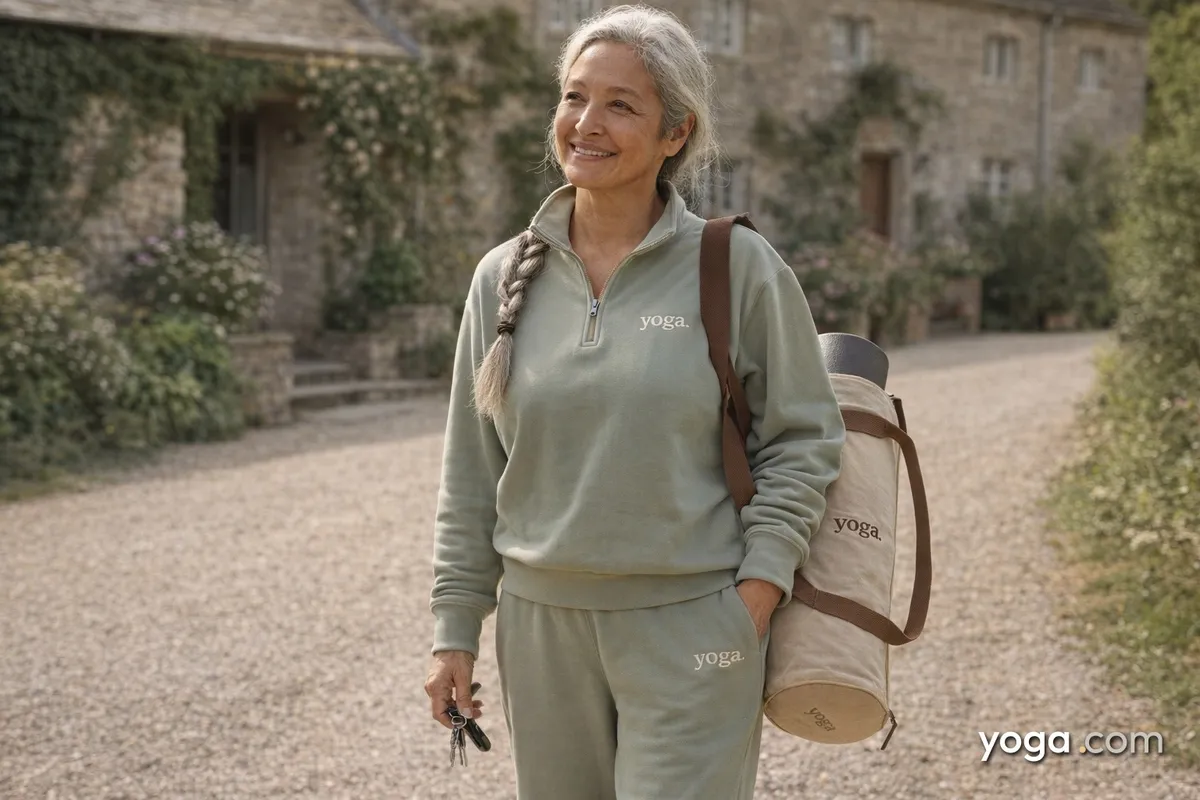
The mat itself isn't the sole concern. Whether you need to store it in a hotel room or tote it around in transit, get a durable mat bag or strap that will keep the sticky side together without trapping dirt or sweat. When in doubt, err on the side of a good-quality carry bag over a cheaper alternative.
Clothes for Twice-a-Day Practice
Most yoga retreats feature two practices each day - one in the late morning and another in the late afternoon or early evening. With this schedule in mind, choose layers and breathable fabrics.
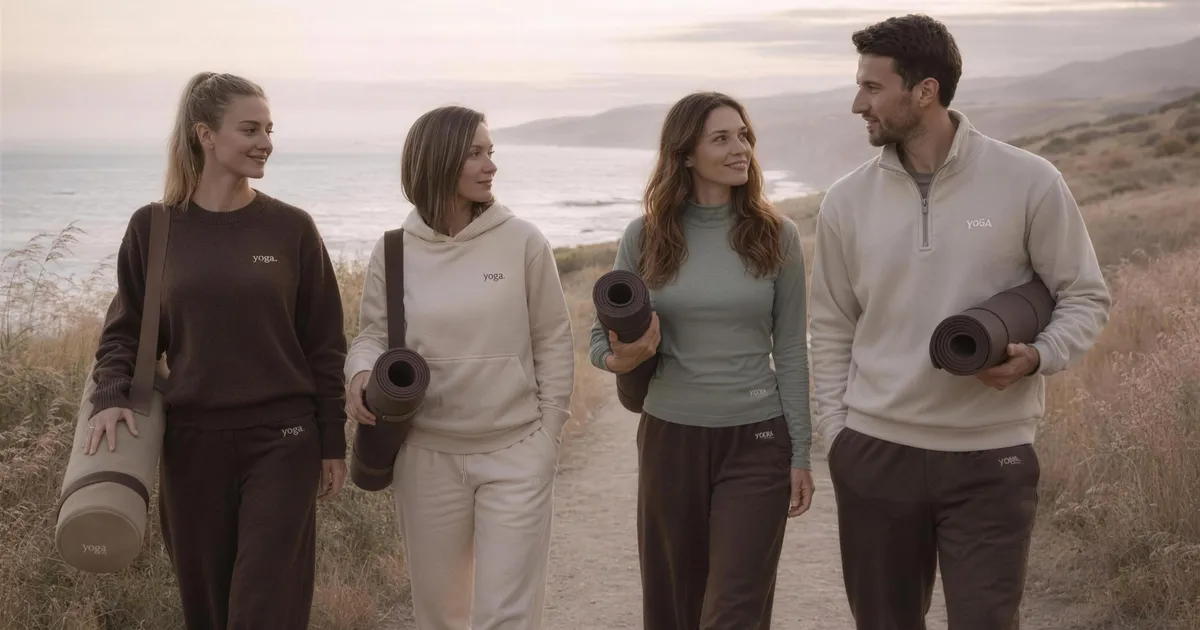
You'll need at least two or three sets of activewear. Bring leggings and shorts in whatever form suits you. Three or four yoga tanks or fitted tees should handle the basics. Add a long-sleeved layer for those early-morning pranayama sessions or cool evenings. A light sweater or shawl will keep you cozy during savasana once your body cools down. You'll want comfortable off-the-mat clothes for meals and downtime too, and sandals or slip-on shoes that can slide right on and off.
Trekking gear becomes essential at retreats that combine hiking and yoga. California backpacking trips with Back to Earth include guides, camping permits, and most supplies for a four-mile trek into a secluded clearing for three days. You'll need a lightweight sleeping bag rated for the overnight temperature, plus trekking poles, a sleeping pad (to check if operators supply), moisture-wicking base layers for chilly mornings, and extra accessories.
Consider bringing a headlamp with extra batteries, biodegradable soap and a small quick-dry towel, and a compact travel yoga mat or thin yoga towel for comfort in camp. A reusable tote is useful for beach days or souvenir-hunting.
The Bathroom Bag, Where Science Sneaks In
Toiletries tend to be sparse at retreats. The center likely has shampoo, conditioner, and body wash. You may not need anything beyond the basics for the first few days. But if you're worried about hygiene or are sensitive to certain chemicals, pack along your usual shampoo, conditioner, and face cleanser. Moisture-wicking socks and a light sweater will help regulate your temperature in cool mountain air.
If you'll be practicing yoga outdoors, sunscreen of SPF 30 or higher will protect you from UV rays, which can cause sunburns that may be uncomfortable and painful to sit through a practice. Adults usually need about 1 ounce to cover exposed skin - apply it 15 minutes before going out, and reapply every two hours or after swimming or sweating.
And don't forget insect repellent. Oil of lemon eucalyptus products and para-menthane-diol products are not suitable for children under age 3. Always apply sunscreen ahead of the repellent. Choose a product registered by the Environmental Protection Agency for mosquito control. Apply before going outdoors to avoid painful and itchy insect bites.
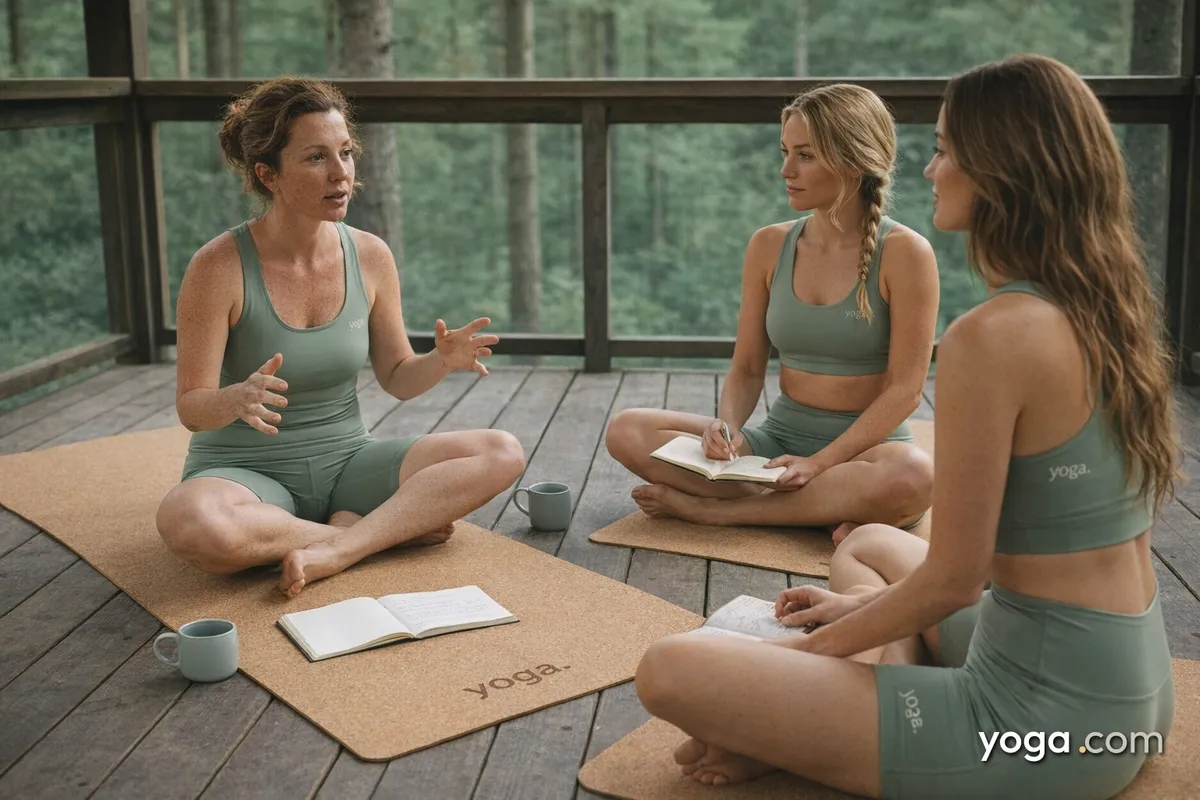
Packing your toiletries bag is the right opportunity to add a journal and pen. If you have an insight, jot it down. The best way to capture an epiphany is in a paper notebook. Meditation cushions and eye pillows can soothe during relaxation time. A reusable bottle with at least a liter of water will stay handy during practice.
Sleep, Time Zones, and the Long Flight
The longer a trip lasts, the more likely jet lag can kick in. Melatonin doses of 0.5 mg and 5 mg both reduce jet lag symptoms effectively on flights crossing 5 or more time zones, according to research published in the Cochrane Database of Systematic Reviews. It should be taken close to the target bedtime at the destination (between 10 pm and midnight).
Even if you don't need medication, pack items that make a long flight easier. Snacks are better options than salty peanuts or sugary sweets. A neck pillow and earplugs can help you sleep. Take a pair of noise-canceling headphones or music to listen to - and don't forget your charging cables. An electronic watch set for the local time will keep you alert when it matters.
One Table for the Fiddly Numbers
| Manduka eKO Superlite travel mat thickness | 1.5 mm |
|---|---|
| SPF level for adults | 30 |
| Amount of sunscreen required (adults) | 1 ounce (shot glass) |
| Frequent application of sunscreen (every two hours) | recommended |
| Insect repellent products that work | EPA-registered (DEET, picaridin, IR3535, oil of lemon eucalyptus, para-menthane-diol, or 2-undecanone) |
| Best melatonin dose for reducing jet lag symptoms on flights across five or more time zones | 0.5 mg and 5 mg |
| Budget-friendly retreat costs ($40 a night) | Southeast Asia |
| Best weather window for Southeast Asia yoga retreats | November-April |
What Stays on the Bed
You don't want to lug anything heavy that you could replace. Don't load up on full-size jewelry, hair styling products, fancy watches, or expensive gadgets and gizmos. These items might become damaged or lost in luggage.
- Heavy jewelry or valuables you'd be upset to misplace
- Anything you feel would be devastating to lose or have damaged
- A large makeup kit - most retreats start early and end sweaty
- An excessive amount of shoes (more than what's absolutely necessary)
References
- https://www.manduka.com/products/eko-superlite-travel-yoga-mat
- https://www.aad.org/public/everyday-care/sun-protection/sunscreen-patients/sunscreen-faqs
- https://wwwnc.cdc.gov/travel/page/avoid-bug-bites
- https://pubmed.ncbi.nlm.nih.gov/12076414/
- https://pubmed.ncbi.nlm.nih.gov/17277604/
- https://www.yogajournal.com/lifestyle/travel/retreats-amp-spas/yoga-and-backpacking-retreat/
- https://www.yogabasics.com/connect/yoga-blog/southeast-asia-yoga-retreat-benefits/