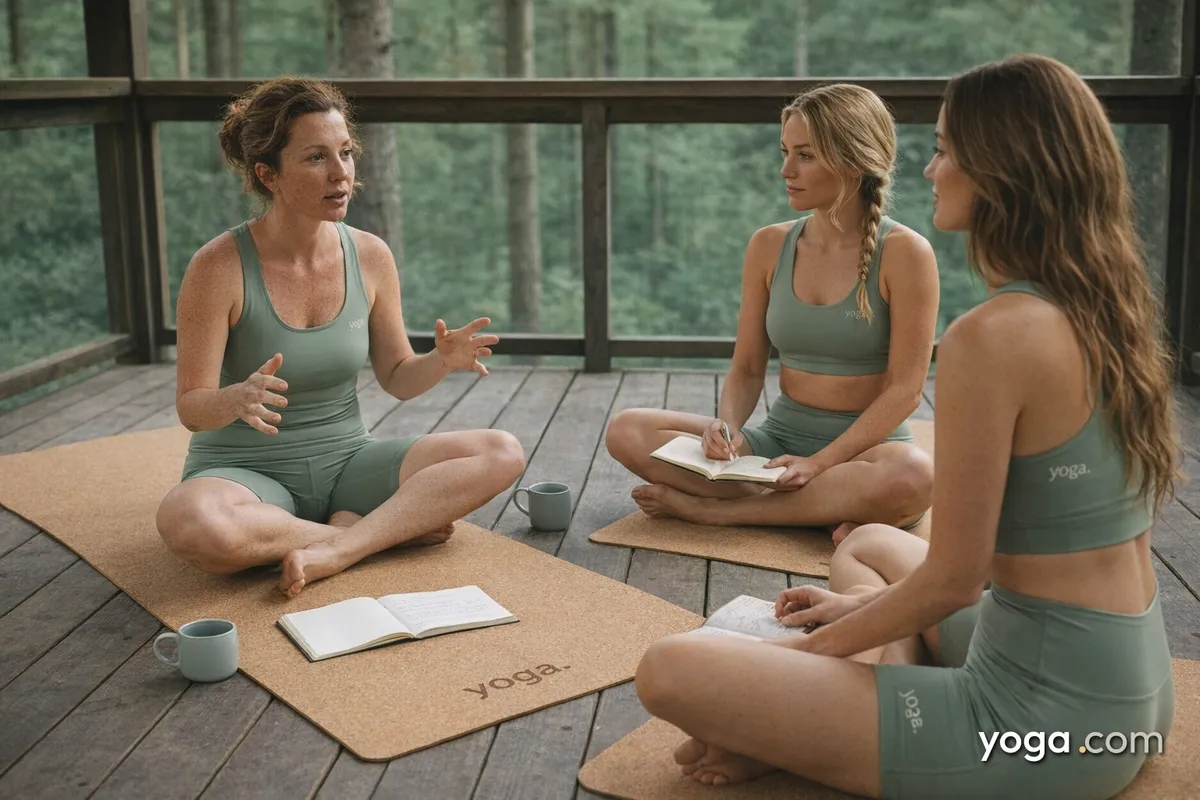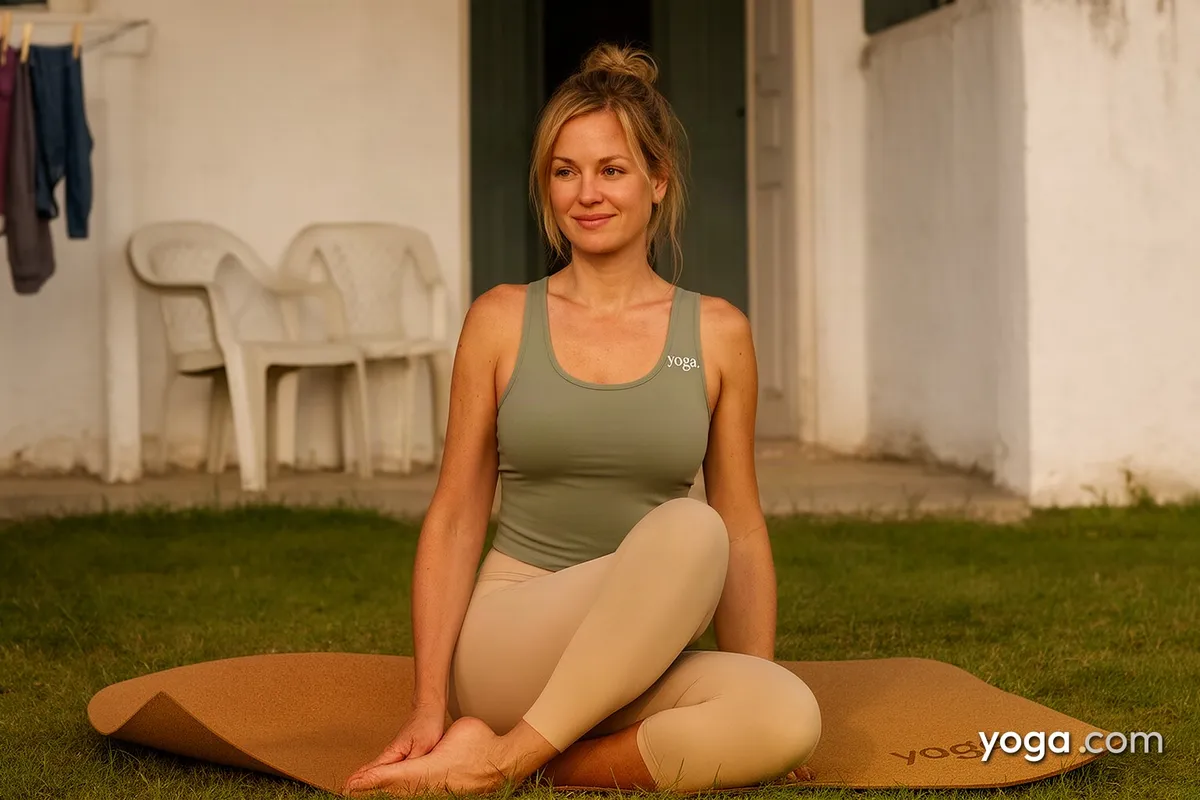

A woman arrives at a Friday check-in desk, still answering one last work email with her car keys in hand. By Sunday she drives home with her shoulders down and her head quiet. That's what 48 hours can do: a well-chosen weekend yoga retreat won't just stretch your hamstrings - it can shift your whole nervous system back toward calm and send you home with tools that outlast the incense.
Why Even a Short Retreat Is Worth It
Two days sounds modest, but stepping fully outside your daily routine - leaving behind the cooking, the commute, the notifications - creates a container for change that a Tuesday-night class simply cannot match. Removing yourself from the patterns that keep you stuck is itself part of the work.
A 2018 systematic review in BMC Complementary and Alternative Medicine examined 23 studies on the health impact of residential retreats, finding meaningful benefits across stress, mood, and physical health markers - even in brief immersions. You do not need weeks away to see a real difference.
Studies show that yogic practices can enhance muscular strength and flexibility, improve respiratory and cardiovascular function, reduce stress, anxiety, depression, and chronic pain, and improve sleep patterns. A retreat gives you dedicated, focused time to cultivate all of these benefits, with your attention undivided by everyday life.
What to Look for When Choosing a Retreat
Not all weekend retreats are built the same. Before you book, ask yourself a few honest questions.
What's your main intention?
What level is it designed for?
Scan the program description carefully. "All levels" really should mean all levels - don't be afraid to email the organizer and ask directly. A good retreat leader will be glad you asked.
What's included in the price?
Accommodations range from shared bunkhouses to private cabins. Meals matter enormously - nourishing, retreat-appropriate food is part of the healing. Clarify what's covered before you pay a deposit.
What a Well-Designed Weekend Retreat Looks Like
A thoughtfully built two-day retreat has rhythm. It weaves practice, rest, reflection, and real food into a container that feels genuinely restorative - not back-to-back yoga classes.
Here's a sample arc:
Poses You'll Likely Encounter (and Why They Help)
Weekend retreats lean into poses that slow the nervous system down. Expect to spend real time in:
How to Make the Most of Your Two Days
The container is only as powerful as your willingness to step inside it.
A Note on Cost - and Value
Weekend yoga retreats range from roughly $300 for a simple local gathering to $1,500+ for a boutique destination experience. Price alone doesn't tell the full story. Retreat in the Pines in Mineola, Texas - a women's retreat space established in 2004 - offers weekend experiences starting around $650, making it one of the more accessible options for those who want a real retreat without a resort price tag.
When comparing prices, factor in meals, accommodation, and teaching quality over square footage or a spa menu. A retreat that bundles lodging and meals in one flat price may cost less in real terms than a cheaper option that charges for every extra separately.
Who Should (and Shouldn't) Book a Retreat Right Now
Retreats are genuinely for beginners - you don't need a daily practice to get something real out of the experience. What you need is a willingness to slow down and be guided.
If you are managing a health condition, injury, or recent trauma, speak with your doctor or a mental health professional before registering. Some retreat formats - particularly those incorporating breathwork or emotional processing - can bring up unexpected material, and your safety matters more than any schedule. Research the teaching team before you book: the experience and training of the people leading the retreat have a direct impact on what you take home.
A review of 15 studies found yoga to be among the most effective relaxation techniques for both depression and anxiety, with effects that appear to last - which is exactly why the quality of a retreat's teaching team deserves your attention before you commit.
A Final Word
A weekend yoga retreat is not an escape from your life - it's an investment in how you return to it. Two days of intentional practice, real rest, and community can recalibrate something that months of ordinary routine cannot quite reach. Find a retreat that fits your body, your budget, and your intention. Then show up, put the phone down, and let the retreat work.