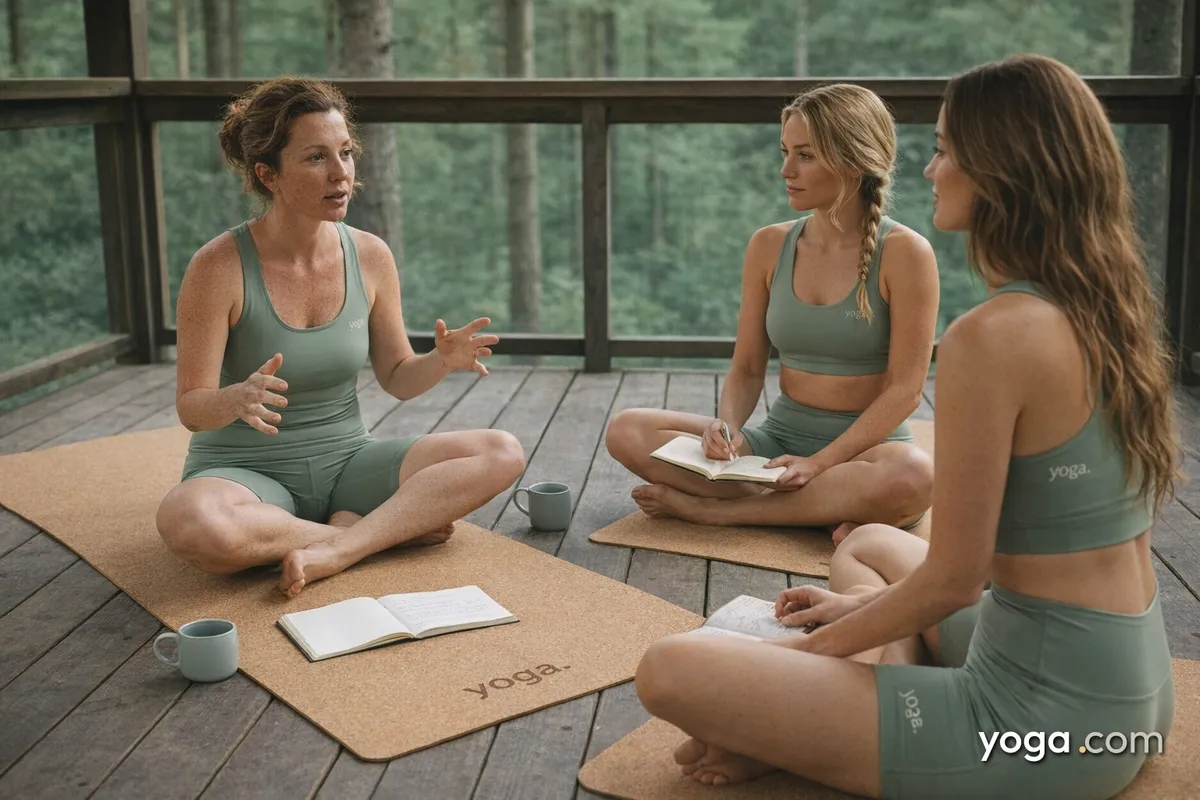
The assumption goes like this: a real reset - days of practice, stillness, and good food away from the noise of everyday life - must cost a fortune. It doesn't have to. If months or years of home practice have you ready for more than your living room, a budget yoga retreat that's still good is entirely findable.
Here's everything you need to know to find a budget yoga retreat that feels genuinely nourishing - not like a compromise.
Why a Retreat Is Worth Considering at All
It's easy to dismiss a retreat as a luxury, but the research behind immersive wellness experiences is surprisingly solid. A 2018 systematic review of 23 studies involving 2,592 participants found that all studies reported post-retreat health benefits - ranging from immediately after the retreat to as long as five years later. Sixteen of those studies tracked psychological and spiritual outcomes; seven measured objective markers like blood pressure and biological disease indicators - and improvements showed up across both categories.
A few days away, fully immersed in practice, can do something that an hour on your mat at home simply can't replicate.
What Do Budget Yoga Retreats Actually Cost?
The range is wider than most people expect. BookRetreats.com lists 798 affordable yoga retreats in the United States alone, with prices running from US$25 to US$42,000 and durations from 2 to 30 days. The lower end is real - and it is not the bottom of the barrel.
Weekend retreats at retreat centers or yoga farms often fall in the $200 - $600 range for lodging, meals, and classes combined. That's comparable to a decent hotel stay, except you're getting accommodation, food, and yoga instruction under one price - and you leave transformed rather than merely rested.
What Drives the Price Up (and How to Avoid Paying for What You Don't Need)
Understanding what you're actually paying for helps you spot value and skip the fluff. Costs vary based on:
How to Vet a Retreat Before You Book
A low price tag only matters if the retreat is genuinely good. A cheap retreat can still be a bad retreat. Here is how to tell the difference.
Check the teachers
Look for instructors registered with Yoga Alliance (RYT-200 or RYT-500), and read their bios carefully - teaching style and lineage matter as much as credentials. If possible, find a free class recording online before you commit so you get a real feel for the instructor's style.
Read recent reviews
Look for reviews from the past 12 months on Google, BookRetreats, or Retreat Guru. Pay attention to comments about food quality, facilities, and how the schedule actually felt. Older reviews may not reflect current quality, so recent accounts from real guests are far more useful.
Ask about the schedule before booking
A good retreat has a realistic rhythm: two or three practice sessions per day, time for rest, and meals built in. An itinerary packed from 6 a.m. to 9 p.m. with no breathing room is a red flag for burnout rather than restoration. Ask the retreat directly how much free time guests actually get.
Clarify what's included
Get a full breakdown of meals, airport transfers, and whether any listed activities cost extra. Some retreats carry a deceptively low base rate and charge for nearly everything else - the final price can end up far higher than the number you first saw.
Smart Ways to Bring the Cost Down
Questions to Ask the Retreat Before You Pay
Pay close attention to how the retreat responds - prompt, clear answers signal that it is run by people who care about the experience they deliver. Slow or vague replies are useful information too, before you commit any money.
A Note on Retreat Teacher Credentials
If you are drawn to a retreat led by a teacher in a training program context, know that yoga teacher training tuition ranges from $1,500 to $5,000+ depending on program length, location, and format. Retreat-style trainings at that level are intensive and educational - you are signing up for a learning program, not a relaxing getaway. Make sure you know which one you are booking before you commit.
Is a Budget Retreat Still Good for Your Health?
Yes. A 2020 review of 12 studies involving 672 participants found beneficial effects of yoga on perceived stress in all studies examined. A retreat delivers more concentrated practice than most people get in months of weekly classes, compressing those benefits into a short window.
If you have any health conditions - heart issues, recent injury, pregnancy, or a mental health diagnosis - talk to your doctor before attending any retreat, budget or otherwise. Most reputable retreat centers will ask about your health history on their intake forms; answer those forms honestly so staff can give you the right level of support during your stay.
Before You Go
A meaningful yoga retreat does not require a passport, a luxury resort, or a year of savings - just a clear sense of what you are looking for and the knowledge that affordable options genuinely exist. Start with a weekend. Start local. Start small. The reset you have been craving may be closer and cheaper than you think.