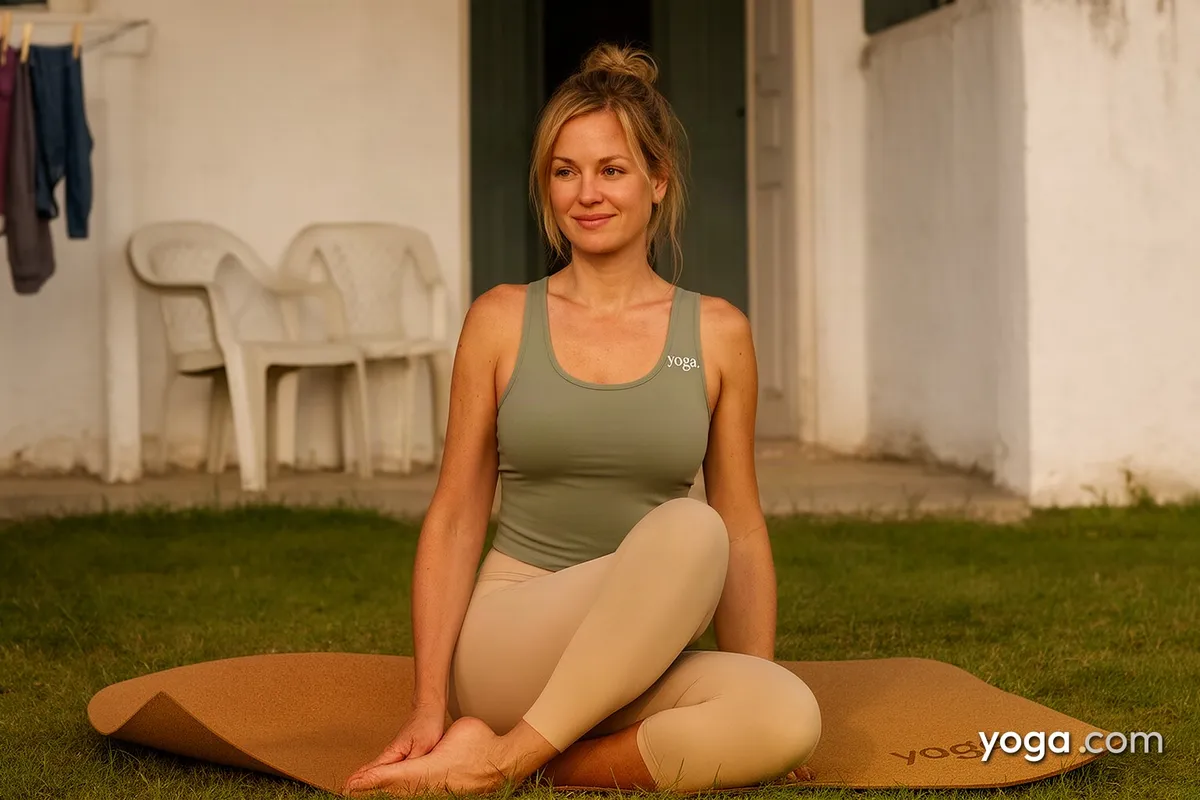

Imagine waking up to mountain air, unrolling your mat before breakfast, and spending five days with nothing to do but practice, rest, and breathe. That's the promise of luxury yoga retreats - equal parts dreamy and intimidating. So what sets them apart from a standard getaway, and is it worth the price tag for you?
What Makes a Retreat "Luxury" in the First Place?
The word gets used loosely, but there are real differences between a budget retreat and a high-end one. Luxury retreats typically combine:
What you're really paying for is undivided immersion. No emails, no errands, no school pickup. Just you and your practice, held in a container someone else has carefully designed.
Does a Yoga Retreat Actually Do Anything for Your Health?
The research is genuinely encouraging. On stress and mental well-being: a 2020 review of 12 studies involving 672 healthy adults found beneficial effects of yoga on perceived stress across all studies reviewed. A separate 2018 review of 14 studies (1,084 participants) found most showed improvements in resilience and general mental well-being.
A retreat amplifies those effects by removing the friction of daily life. You're not squeezing in a 45-minute class between meetings - you're practicing twice a day, sleeping well, eating intentionally, and stepping away from chronic stress triggers entirely.
Research on residential wellness programs backs this up. A longitudinal observational study of a week-long wellness retreat found statistically significant improvements across all anthropometric measures after just one week - including reductions in abdominal girth (2.7 cm), weight (1.6 kg), and average systolic and diastolic blood pressure. Improvements across nearly all measures were sustained at the six-week follow-up.
Important caveat: if you have a medical condition, talk to your doctor before booking. Retreats are a wellness experience, not a medical treatment.
What to Look for When Choosing a Retreat
The Teachers
Ask about credentials before you book. Look for teachers who hold advanced or specialty training beyond a foundational 200-hour qualification. Many high-quality luxury retreats are led by teachers with 500-hour or higher Yoga Alliance - registered training, or who have studied in India, where yoga training options range from certificate programs to full doctoral-level study. A teacher's depth of training shows up in how they cue, how they adjust, and how they hold a room.
The Style of Yoga
Not all luxury retreats teach the same thing. Common offerings include:
Match the style to where you are right now, not where you think you should be.
The Location and Setting
Environment matters. Nature-immersive settings - ocean, forest, mountain - aren't just pretty backdrops; many practitioners report that reduced sensory input from urban environments and increased time outdoors support nervous system regulation. Ask for photos of the actual practice space, not just the pool.
The Daily Schedule
A well-designed luxury retreat balances structure with spaciousness. Two practices per day is typical, but look for built-in free time - you need space to integrate, rest, and simply be. A schedule packed from 6am to 10pm is a red flag, not a selling point.
How Much Should You Expect to Spend?
Prices vary based on destination, duration, accommodation style, and included treatments. A general range:
These figures reflect the full package - accommodation, meals, instruction, and included treatments. Airfare is usually separate. Always check exactly what's included before comparing prices between retreats.
Signs a Retreat Is Worth the Investment
Signs to Keep Looking
Is a Luxury Retreat Right for You Right Now?
A luxury retreat earns its value when you're genuinely ready to step away, invest in yourself, and use the experience as a launchpad - not a one-time escape from a life you haven't decided to change.
If the price feels out of reach, a shorter weekend retreat or a local immersion can offer real benefits. The research on yoga's effects on stress and well-being isn't conditional on the price of your room. Start where you are.
But if you've been circling the idea for months, waiting for the "right time"? That's probably your answer.
One Last Thing
When you weigh up luxury yoga retreats - what sets them apart and whether it's worth it - the answer comes down to execution and intention. At their best, they offer a genuinely immersive experience that research suggests can create real, lasting shifts in how you feel, not just while you're there but weeks after you return. Choose one with qualified teachers, a thoughtful schedule, and a setting that suits what your body and mind actually need. Do your homework on credentials, go in with clear intentions, and you'll get far more than a beautiful backdrop.