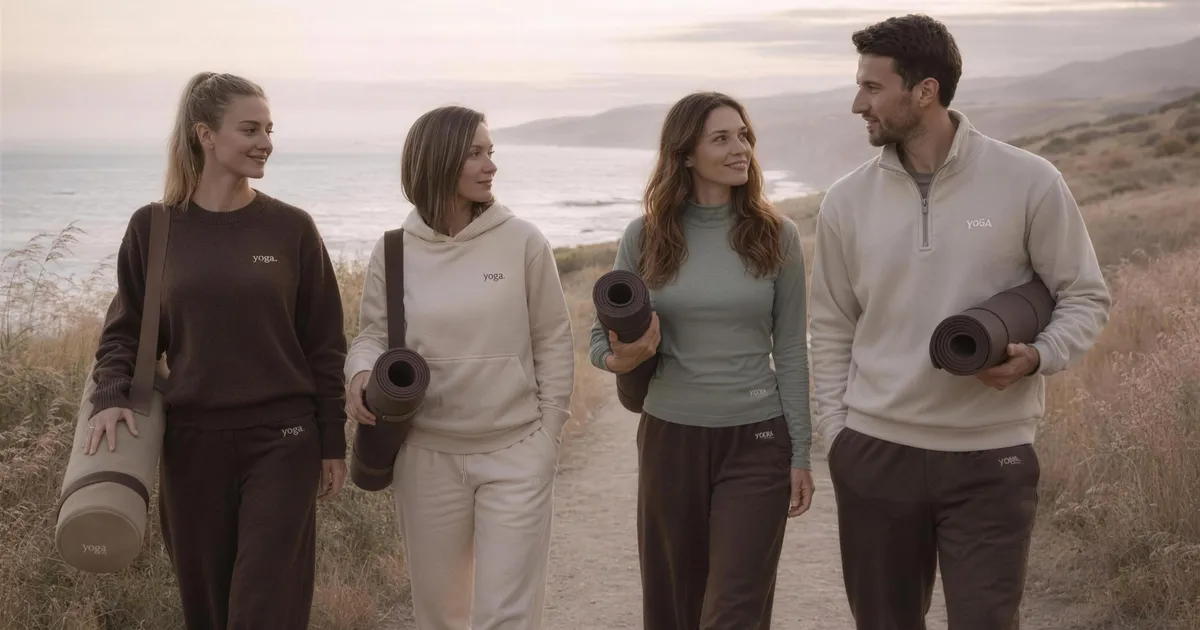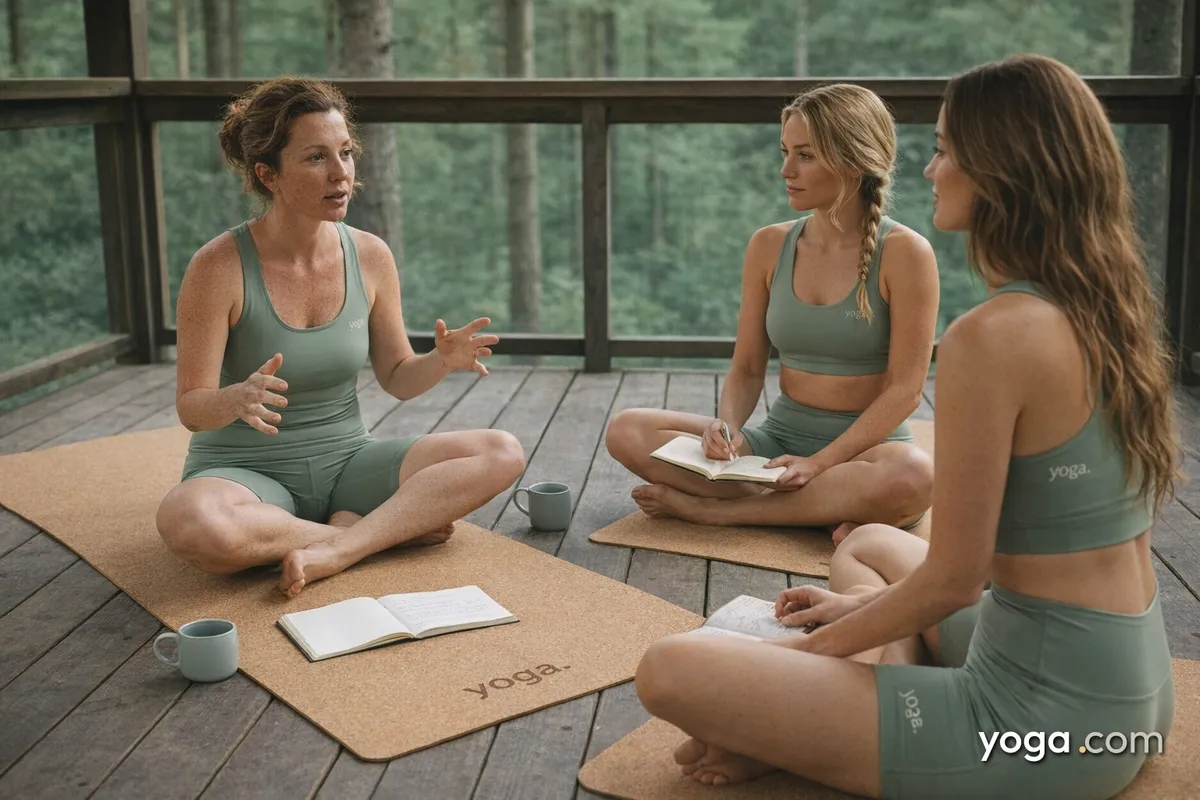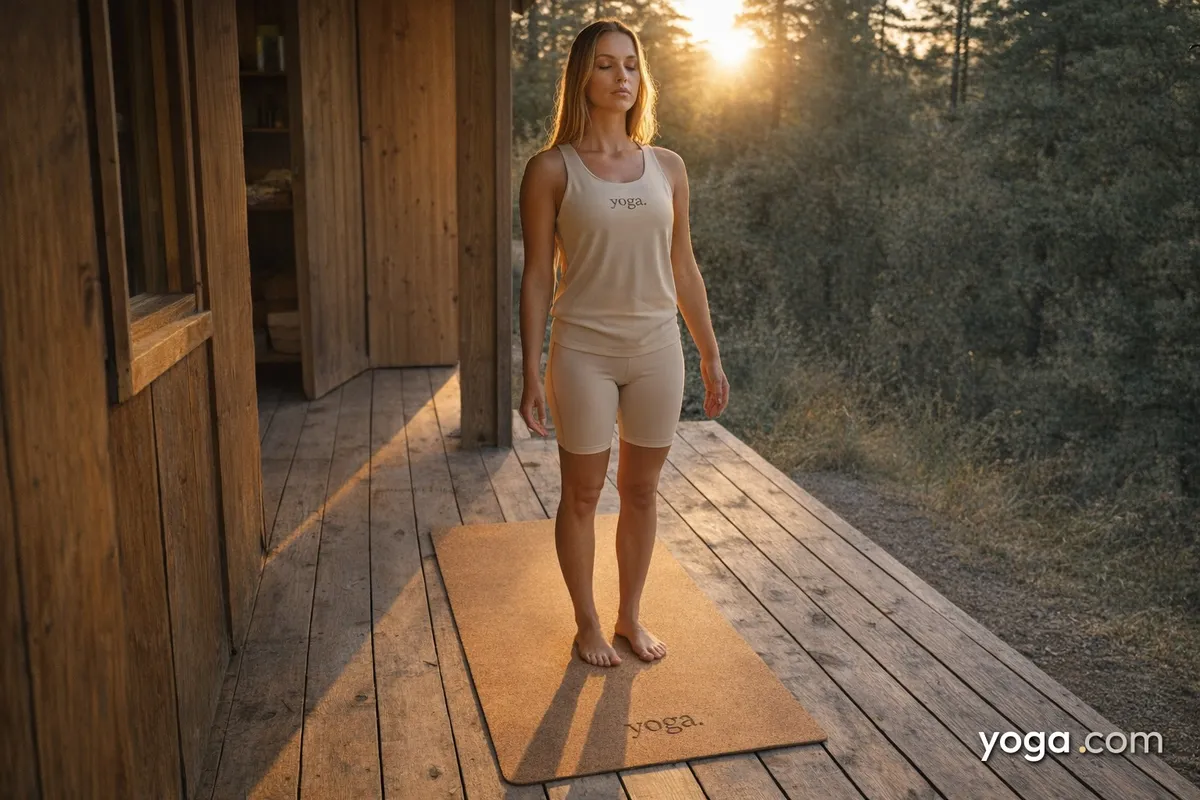
Picture this: you wake up without an alarm, roll out your mat as the sun rises, and spend the next few days completely devoted to your own practice - no schedule to manage for anyone else, no competing priorities. That's the quiet magic of solo yoga retreats, and if you're a first-timer figuring out how to go alone, this guide walks you through everything you need to plan your first one with confidence.
What Exactly Is a Solo Yoga Retreat?
The concept of intentional retreat is ancient. In the Catholic tradition, a retreat was understood as "a series of days passed in solitude and consecrated to practices of asceticism." A yoga retreat carries that same spirit - dedicated time, away from ordinary life, spent deepening your practice and your self-awareness.
Going solo means you book for yourself, not as part of a group trip. You may still be surrounded by fellow practitioners at a retreat center, but you arrive on your own terms - free to fully immerse yourself without adjusting your schedule or priorities for anyone else.
Why Go Alone? The Real Benefits
Solo travel can feel daunting at first. But retreating alone offers something a group trip rarely can: complete freedom to follow your own rhythm.
Choosing the Right Retreat for You
Know your experience level first
Be honest about where your practice is. A beginner doing an advanced Ashtanga intensive will likely feel frustrated rather than nourished. Look for retreats that clearly state the level they're designed for - "all levels welcome" is a genuine starting point for a first-timer.
Decide: structured program or self-guided?
Some retreat centers offer a full daily schedule - morning pranayama, twice-daily asana classes, guided meditation, evening dharma talks. Others provide the space and support (a beautiful setting, meals, a quiet room) and let you design your own days. Neither is better; it depends entirely on what you need right now.
Consider the setting seriously
Your environment shapes your experience more than you might expect. Mountains, coastlines, forests, desert - each carries its own energy. For something internationally inspired, Lake Atitlán in Guatemala - a sparkling freshwater lake 1,000 feet deep, ringed by lush forests and volcanoes - has drawn yogis for decades. The village of San Marcos, sitting at 5,000 feet above sea level, is particularly well known for its meditation and yoga offerings.
Domestic options are equally rich. Centers like the Omega Institute offer structured week-long programs across a wide range of traditions - and some even offer scholarships to make attendance more accessible.
How to Plan: A Practical Checklist
What to Pack (and What to Leave Behind)
Pack lighter than you think you need to. Retreats strip things back to essentials, and that simplicity is a big part of the gift.
Leave behind rigid expectations. The practice that emerges when you're away from ordinary life often looks different from your at-home routine, and that difference is exactly the point.
What to Expect on the Mat (and Off It)
Most retreat programs anchor the day with a morning practice. You might open with Cat-Cow (Marjaryasana-Bitilasana) and move through Sun Salutations (Surya Namaskar) before settling into standing poses and longer holds. Evenings often feature gentler, restorative work - Supported Bridge (Setu Bandha Sarvangasana) and Legs-Up-the-Wall (Viparita Karani) - to help your nervous system unwind.
Off the mat, expect meals shared with strangers who quickly feel like community, long quiet afternoons, and a few unexpected emotional moments. Those moments are normal - they're a sign the retreat is working.
A Note on Safety and Health
If you have any injuries, chronic conditions, or are new to physical yoga, let the retreat staff and teachers know before you arrive and before any sessions begin. A good teacher will offer modifications so you can practice safely. If anything feels wrong - physically or otherwise - trust that instinct. Consult a healthcare professional for any medical concerns before booking an intensive program, which places real demands on the body.
Your First Solo Retreat Starts with One Decision
You don't need an advanced practice. You don't need to be fearless about traveling alone. You just need to decide that a few days devoted entirely to your own wellbeing is worth it. Start small if it helps: a weekend at one of the many solo yoga retreats within driving distance, in a style of yoga you already enjoy, at a center with good solo-traveler reviews. You don't need the perfect retreat - you need a good enough one. Find something reasonable and press "book." That one decision is usually the hardest part.