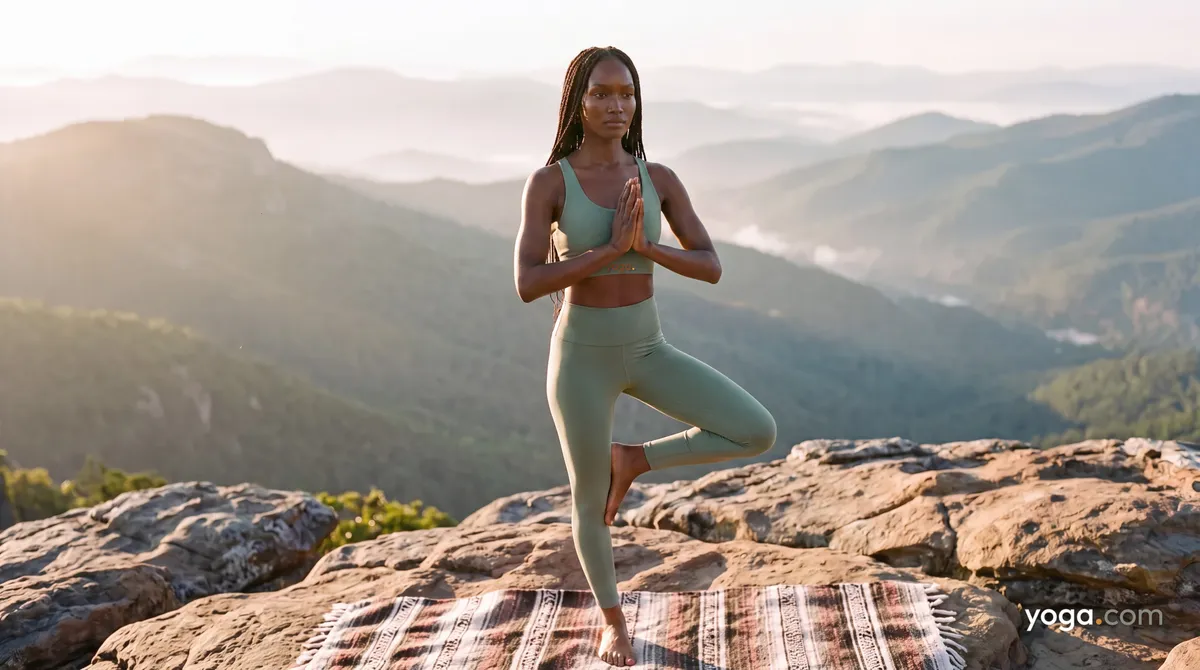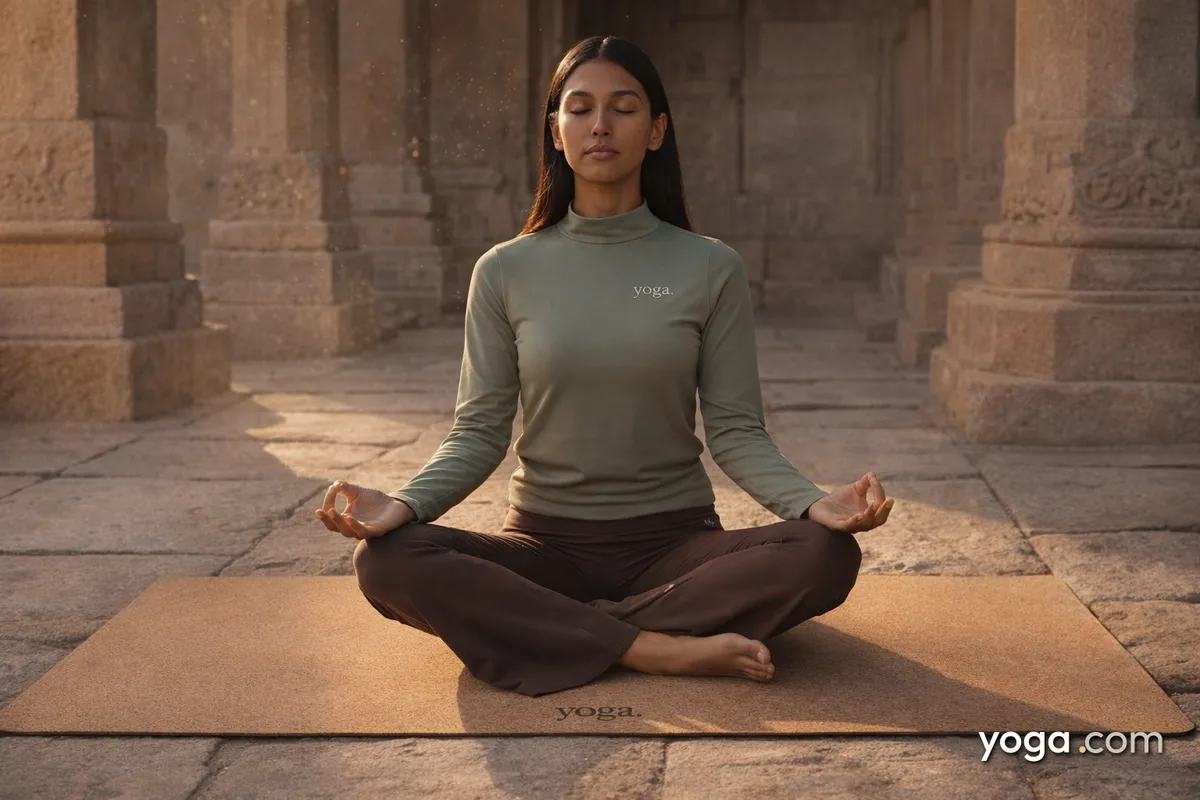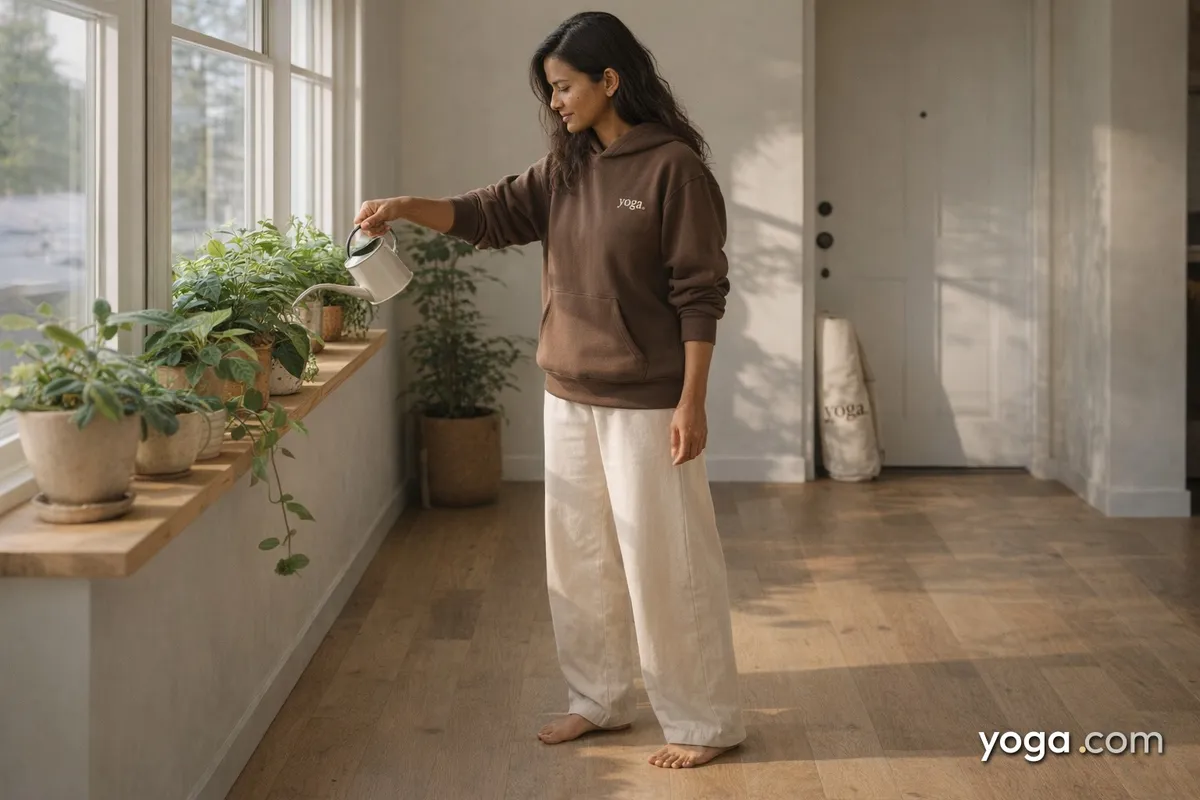
That last slow exhale at the end of class leaves your breath quiet and your senses turned up - then the mat gets rolled, the shoes go on, and ordinary life comes rushing back. For many practitioners, that's where yoga ends. But the tools you build on the mat - steady breathing, body awareness, the ability to pause before you react - don't have to stay there. Carried into your workday, your meals, and your hardest conversations, they can quietly reshape how you move through the world.
What "Yoga Beyond the Mat" Actually Means
Yoga is far older and broader than the hour-long flow class you might picture. As a 3,000-year-old tradition, it was never designed to be only a physical practice.
Of the 196 sutras in Patanjali's Yoga Sutras, only three mention asana (posture). The rest cover conscious breathing, meditation, lifestyle, diet, visualization, and the use of sound. The poses are the entry point - not the whole map.
When teachers talk about "yoga off the mat," they mean taking that full tradition into daily life: the noticing, the breathing, the habit of checking in with yourself before you react.
The Real Benefits - Physical and Beyond
The deeper shift comes from practicing awareness, not just poses. Awareness is portable - it travels into a difficult meeting or a sleepless night in a way that a posture cannot.
How to Bring Your Practice Into the Workday
Most of us spend hours at a desk with our shoulders creeping toward our ears, taking shallow sips of air without noticing. One slow, full exhale before a stressful call costs nothing - your nervous system responds to your breath even when your mind is still busy.
Three small practices that actually travel
- The pre-meeting breath: Before you open your laptop or walk into a room, take 30 seconds to feel your feet on the floor and breathe slowly. No one around you will notice, and it can change how you enter the whole meeting.
- The afternoon body scan: Once a day, pause and ask: where am I holding tension right now? Jaw? Shoulders? Lower back? Consciously release it - the same way a teacher guides you at the start of class.
- The mindful transition: Pick one daily transition (sitting down at your desk, getting into your car) and use it as a brief reset. Five seconds, repeated daily, builds a reliable cue your body will start to recognize.
These practices are not substitutes for your mat practice - they're how your mat practice earns its keep the other 23 hours of the day.
Mindfulness Doesn't Stay Locked Inside the Session
Every time a teacher asks you to notice where your weight lands in Warrior II (Virabhadrasana II), or to feel the edge of a stretch without pushing past it, you're training mindfulness - not just muscle. That training transfers.
A daily diary study found that on days when practitioners did more yoga than their usual amount, they reported significantly greater mindfulness and self-compassion compared to their own baseline. Small, real, day-by-day shifts - not a dramatic transformation, but a steady nudge that accumulates over time.
Yoga and Mental Health: What the Evidence Supports
The awareness yoga cultivates - noticing when your thoughts are racing, catching the held breath, feeling the tension in your chest - is the same awareness that helps you intercept stress before it spirals.
Be clear-eyed about what yoga is and isn't. A personal practice is different from a structured clinical program like Mindfulness-Based Stress Reduction (MBSR). If you're dealing with significant anxiety, depression, or trauma, please speak with a qualified mental health professional or a certified yoga therapist. Yoga can be a meaningful part of a broader approach - it isn't a replacement for professional care.
Bringing Yoga Awareness to How You Eat
The mindfulness you practice in Child's Pose (Balasana) - turning inward, slowing down, paying attention - translates directly to the table. Eating without a screen, tasting your food, noticing when you're actually full: these are mindfulness habits that connect naturally to what you practice on the mat. Start by eating one meal a day without your phone nearby.
Three Common Misunderstandings - Cleared Up
- "Off the mat" means doing poses at your desk. It doesn't. It means carrying the noticing - not the postures - into your day. No downward dog required in the conference room.
- You need a dramatic lifestyle change. You don't. Small, consistent habits - one slow breath, one body scan - are exactly what the evidence points to.
- Your personal practice equals clinical treatment. It doesn't. Yoga is a powerful wellness tool, not a substitute for professional support when you genuinely need it.
Where to Start Today
Pick one thing.
- Choose a daily trigger - your morning coffee, your lunch break, your commute home.
- Attach a 30-second breathing practice to it: inhale for four counts, exhale for six.
- Do it every day for one week. Notice what happens.
After a week, add one more habit. You're not building a second practice - you're letting the one you already have expand into the rest of your life.
The Short Version
Yoga was designed to be lived, not just practiced. The poses are a doorway into something much larger - a way of paying attention that can follow you into your hardest days and your most ordinary moments. You already have the tools. The mat just helped you find them.