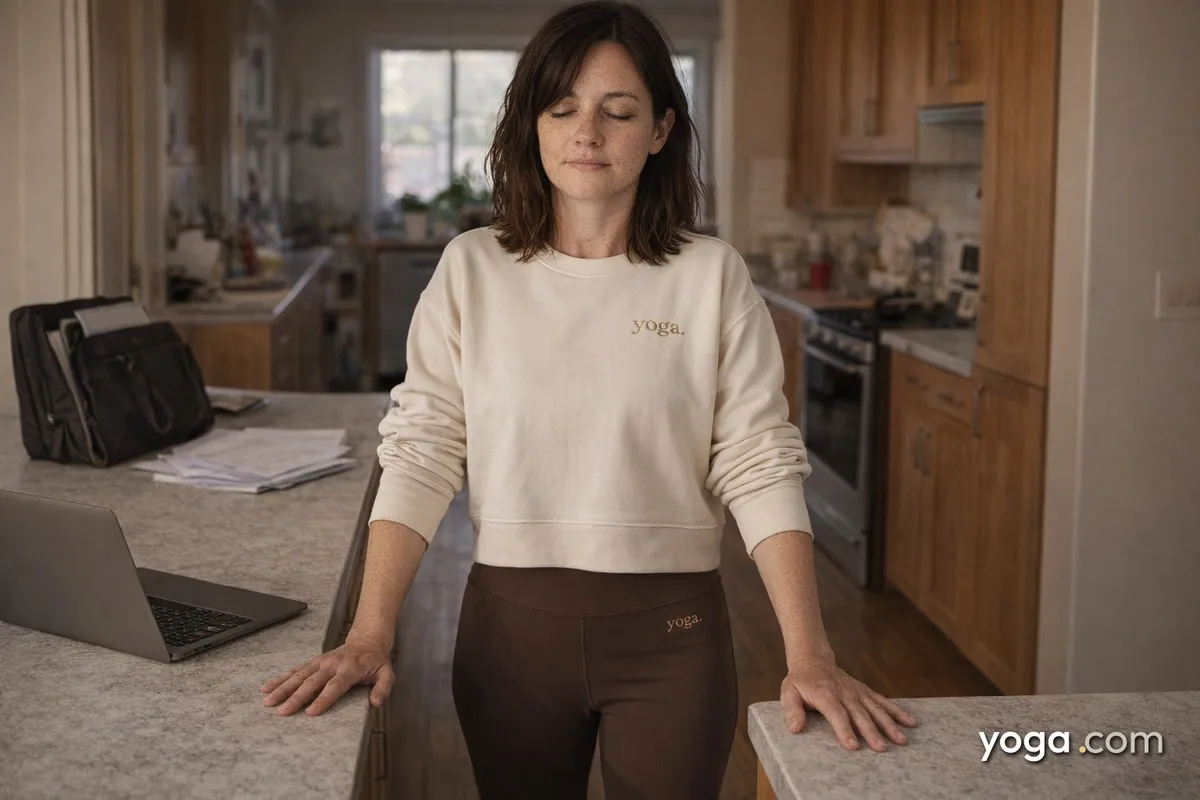
Grounding is a fancy name for a simple move: using your senses to pull your attention back into right now. These techniques are small, sensory-based practices built for the 2pm kind of day - the to-do list three times longer than when you started, your mind split between tomorrow's deadline and last night's unread messages. They require no equipment, almost no time, and they genuinely work.
Before you begin: If you're dealing with significant anxiety, dissociation, or trauma-related stress, use these tools alongside - not instead of - a qualified mental health professional. This article is educational and isn't a substitute for individual medical advice.
Why Grounding Actually Works
Grounding techniques help you become aware of the here and now when strong emotions or mental overwhelm are pulling you away from the present moment. The effect isn't only psychological: mindfulness calms the nervous system and reduces cortisol, and grounding shifts focus from internal thoughts and feelings to what's happening around you - a redirect associated with a calmer physiological stress response in early research.
Even short practice makes a measurable difference. Research shows that even 10 minutes of mindfulness makes a positive difference. In a study of 13 female participants, grounding and body scan exercises produced statistically significant improvements in heart rate variability, while deep breathing showed mixed results - it paradoxically increased a marker of sympathetic activation.
The 5-4-3-2-1 Technique: Your Quickest Reset
This works because your senses are always in the present moment, even when your mind isn't. According to both the University of Rochester Medical Center and Cleveland Clinic:
About two minutes, doable at your desk, on public transport, or in the bathroom during a stressful meeting.
The 3-3-3 Technique: Even Faster
The 3-3-3 technique asks you to name three things you can see, three things you can hear, and three things you can touch. Thirty seconds, and your nervous system has a new signal to work with.
Breathing: The One Tool You Always Have
Try box breathing
Box breathing is simple and effective for resetting mid-day. If you are pregnant, have high blood pressure, or have a heart or respiratory condition, skip the breath holds - breathe in for 4 and out for 4 instead, and check with your doctor before practicing breath retention. If holding your breath increases anxiety or lightheadedness, drop the holds.
The steady rhythm gives your mind something concrete to follow - exactly what an overwhelmed brain needs.
Try an extended exhale
Breathe in for 4 counts, out for 6 or 8. A longer exhale is commonly used in breathwork to encourage the body's relaxation response. Even a handful of these breaths can shift how you feel.
Gentle Movement Counts, Too
Grounding doesn't mean sitting still. Slow, deliberate movement - a short walk where you actually feel your feet on the floor, gentle neck rolls at your desk, a few rounds of Cat-Cow (Marjaryasana-Bitilasana) - brings awareness back into your body. The key is intentional attention: walking somewhere while mentally drafting an email is not grounding; walking slowly and noticing the sensation of each step is. Even 10 minutes of this kind of movement on a lunch break can interrupt a stress spiral before it takes hold.
A Short Mindfulness Pause at Your Desk
Attach a short mindfulness pause to something you already do - your morning coffee, the first few minutes after you sit down, the moment before you open your inbox. The goal isn't to empty your mind; it's to notice what you're thinking and feeling without immediately reacting. That pause is where the regulation happens.
In one study, subjective stress scores dropped significantly after just one day of mindfulness training - from 44.6 to 27.2. Practicing consistently for around six months tends to produce lasting results, but you don't have to wait months to feel today's benefit.
Common Mistakes Worth Avoiding
If you are experiencing significant anxiety, dissociation, or trauma-related stress, please work with a qualified mental health professional. Grounding is a supportive tool, not a replacement for professional care.
What Matters Most
Busy days aren't going away. But being completely swept away by them doesn't have to be your default. A two-minute sensory check-in, a few deliberate breaths, a slow walk to the next room - these are the difference between reacting and responding, between running on empty and finding your footing. Try one technique today.