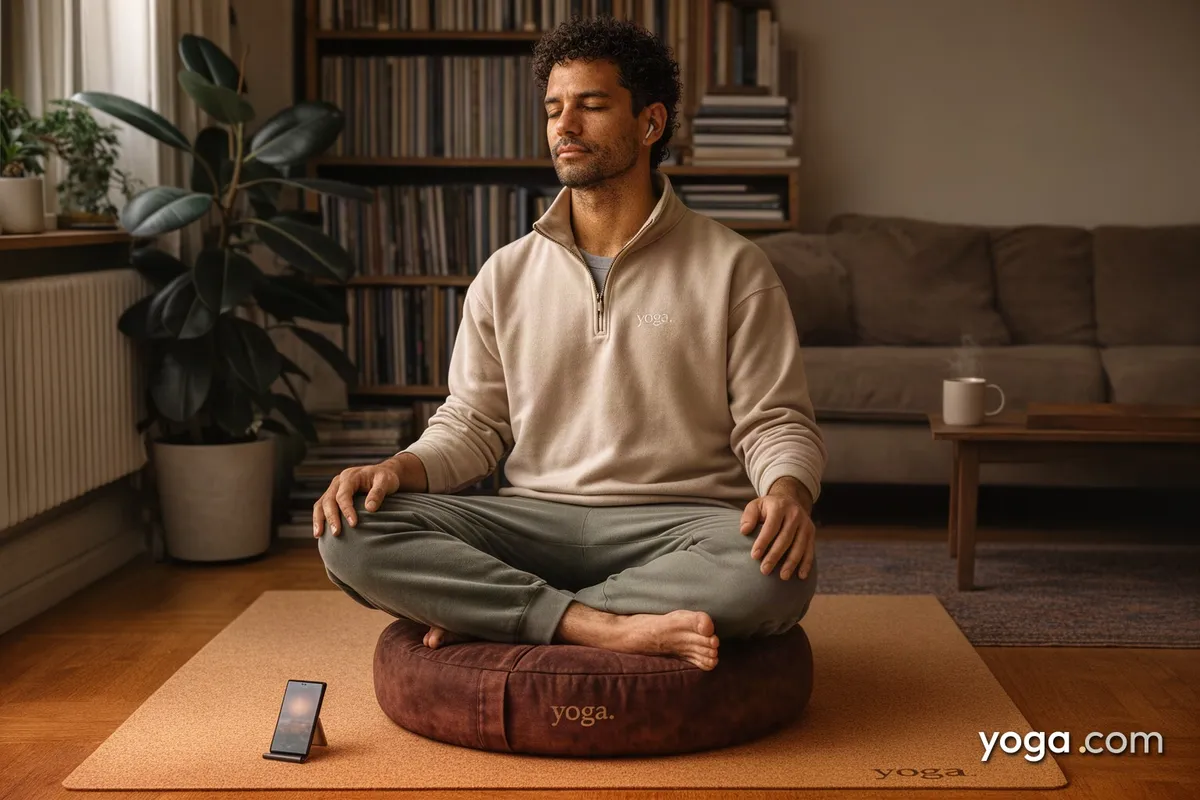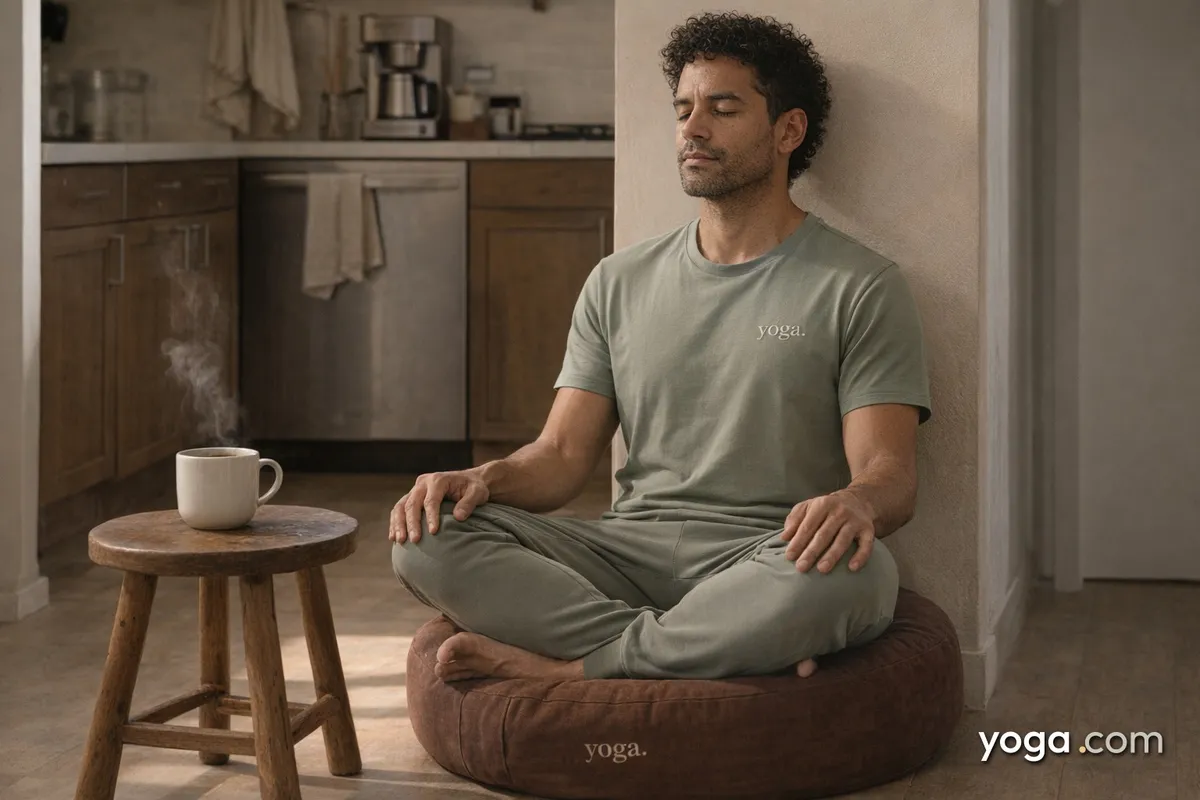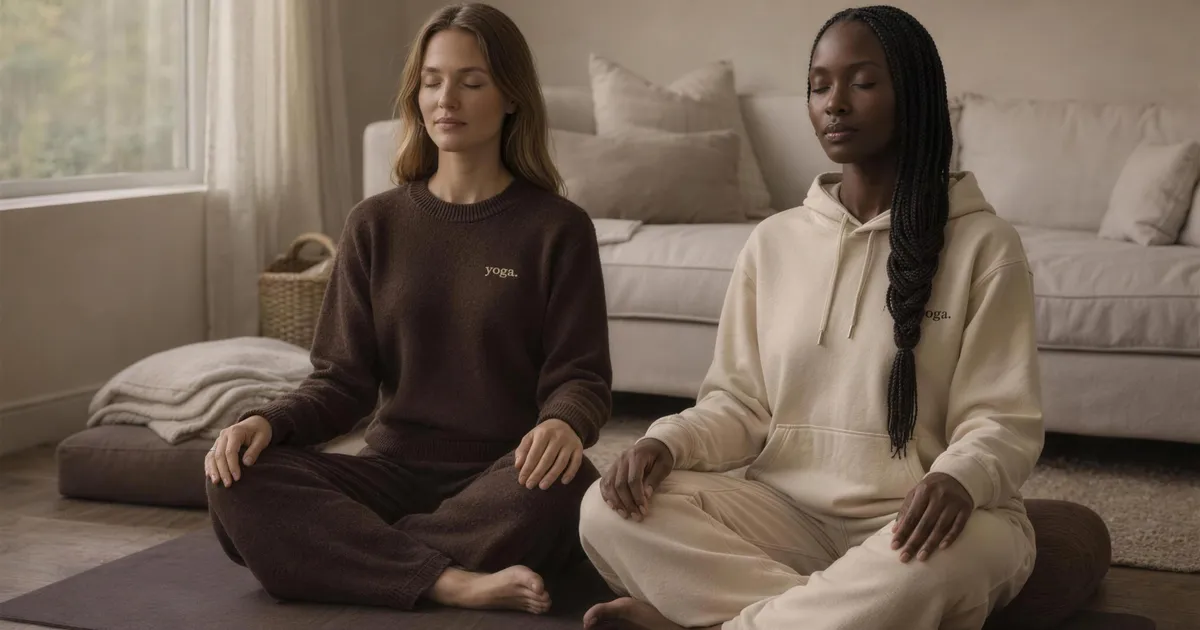
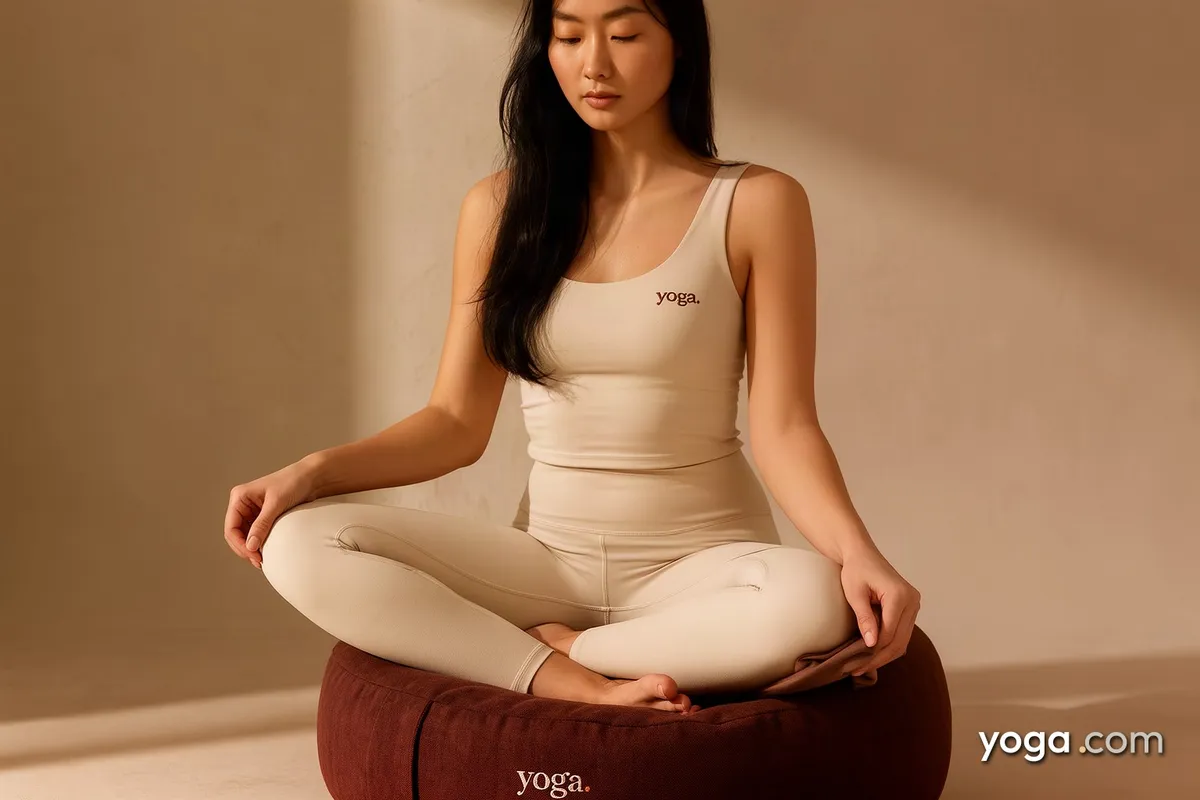
Sitting comfortably for meditation just means finding a position your body can hold without complaining - no aching knee, no lower back tightening up mid-breath and pulling your attention away. In many ways, that is half the practice itself. Get it right, and your mind has a real chance to quiet down. Get it wrong, and your body will win every time.
Before you begin: If you have chronic low back pain, joint issues, a recent surgery, or are pregnant, check with your healthcare provider before starting a floor-sitting or kneeling meditation practice. This article is educational and isn't a substitute for individual medical advice.
Why Your Position Matters
Physical discomfort isn't just annoying - it's a direct competitor for your attention. When your legs are numb or your back is protesting, your nervous system stays on alert. There's no settling in.
A 2017 analysis of 30 studies found that mindfulness meditation was more effective at decreasing chronic pain than several other forms of treatment - though NCCIH notes the underlying studies were of low quality, so treat this as promising rather than proven - so the practice itself may help support a body in discomfort. But you still need to start from a position that doesn't create new pain in the first place.
There is no single correct way to sit. Chair, cushion, kneeling bench - all are valid. The goal: spine upright, body relaxed, both at the same time.
The Three Main Sitting Positions
1. Cross-Legged on the Floor (Sukhasana)
Easy Pose works well if your hips allow it. If you feel sharp pain in your knees or hips within the first couple of minutes, this position is not right for your body right now - and that is completely okay. If you have tight hips or a history of hip replacement, skip this and start with a chair or kneeling position instead.
2. Seated in a Chair
A chair is not a compromise. Many experienced, long-term practitioners use one every day. When you sit in a chair:
A chair is especially well-suited if you have knee issues, lumbar disc problems, or are pregnant, and it remains adaptable as your body changes over time.
3. Kneeling on a Cushion or Bench (Vajrasana-inspired)
Your shins rest on the floor and a firm cushion (zafu) or wooden bench lifts your hips, taking pressure off your ankles. For many people, the elevated hips naturally encourage an upright spine. Avoid this position if you have a history of knee surgery or active bursitis, as it places direct pressure on the knee joint.
Getting Your Alignment Right
Whatever position you choose, spinal alignment is the priority. Think "tall, not rigid" - a gentle natural curve, not a military-straight back and not a slump.
In your first few weeks, sit in front of a mirror occasionally. A tilted head or rolled shoulder often goes completely unnoticed until you see it - catching it early is the easiest way to correct alignment before it becomes a habit.
The Lumbar vs. Thoracic Problem (Most Guides Skip This)
Your lower back and upper back collapse in different ways and need different fixes. When people sit too long without support, both curves tend to give way simultaneously - and it all just feels like "a sore back." A rolled towel at the lumbar addresses the lower curve; lifting the sternum and broadening the collarbones addresses upper-back rounding. You need both. Even small adjustments here can change how long you can sit comfortably for meditation without pain or distraction creeping back in.
Props Aren't a Luxury - They're a Tool
How Long Should You Sit?
The percentage of U.S. adults who practiced meditation more than doubled between 2002 and 2022, from 7.5 to 17.3 percent - and one of the most common reasons new practitioners quit is sitting too long, too soon.
Five to ten minutes is an excellent starting point. Sitting for a short time with good posture is worth far more than sitting for forty minutes in pain and a slump. As your posture muscles adapt, add time gradually - a few minutes per week, not per day.
Consistency matters more than duration. A daily ten-minute sit will serve you far better than an occasional hour-long session you dread.
Know the Difference: Normal Discomfort vs. a Signal to Stop
Some mild muscle tiredness as your body adjusts is normal when you first start. Sharp joint pain, numbness that doesn't resolve when you shift position, or tingling in the feet beyond mild sleepiness is a signal to stop and reassess your setup.
If you have chronic low back pain, joint issues, a recent surgery, or are pregnant, consult your healthcare provider before making floor sitting a regular habit. A chair may genuinely be your best long-term option - choosing it because it suits your body is good sense, not failure.
If You Take One Thing From This
Comfortable meditation sitting isn't about replicating a picture-perfect pose. It's about finding the position where your body stops asking for attention so your mind has room to settle. Start with what your body can do today. Use props freely. Keep sessions short at first. The position exists to serve your practice - not the other way around.