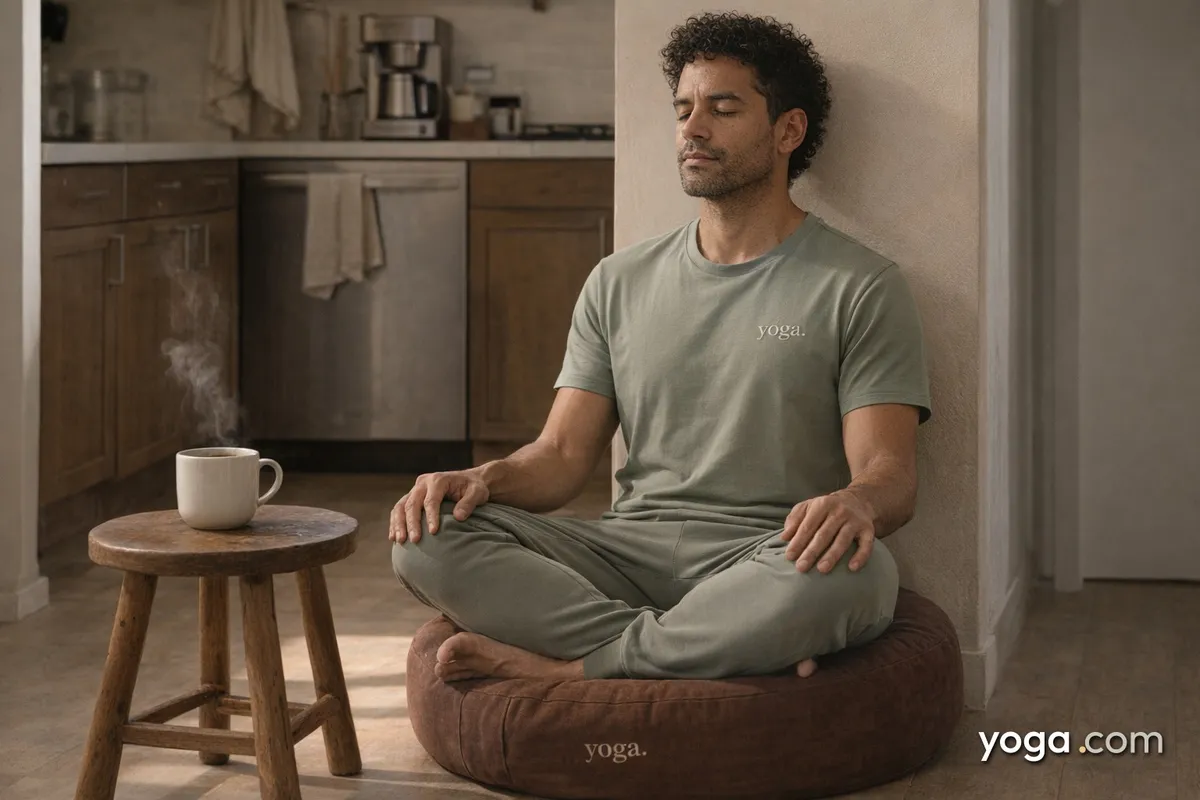
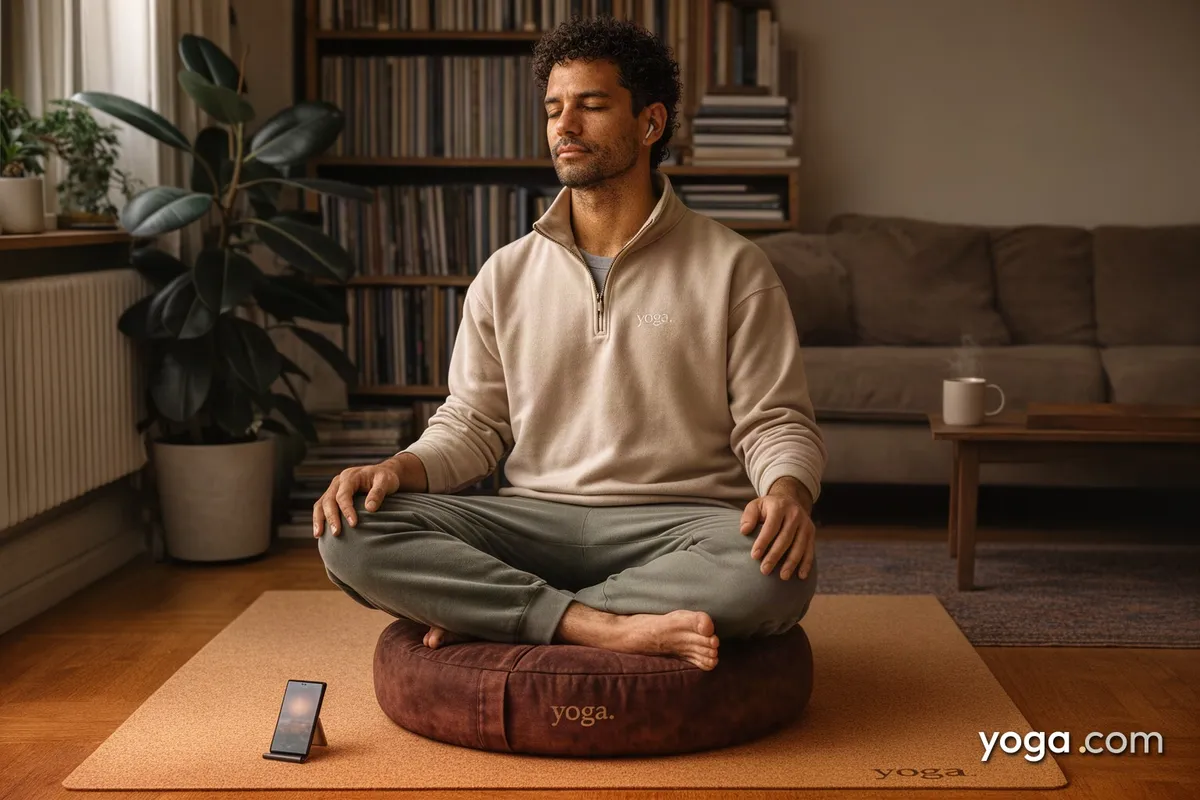
Daniel sat cross-legged on his purple mat at 6 a.m., both earbuds in, eyes closed - and for the first time in weeks, he actually finished a session. Not because he found more willpower. Because he finally stopped fighting the app and started working with it. If you've downloaded a meditation app, opened it twice, and quietly abandoned it, you're not doing it wrong. You just need a smarter approach.
Why Apps Are Worth Another Chance
Guided meditation apps have real, research-backed benefits and these are not just marketing claims. A recent meta-analysis of 45 randomized controlled trials found that meditation apps modestly reduce both depression and anxiety relative to control conditions. This is not a cure-all, but it is still meaningful and worth your attention.
Specific apps have shown real results in trials, too, and these results come from studies with large numbers of real participants:
- A Calm app study (n = 1,029) found significantly reduced depressive and anxiety symptoms, plus a large improvement in insomnia symptoms, compared to a waitlist control.
- A Headspace study (n = 994) found meaningful reductions in distress among participants with compulsive internet use.
- The Healthy Minds Program app (n = 662) showed moderate reductions in psychological distress in public school employees, with benefits still present three months later.
Keep in mind that the science here is genuinely encouraging and so you have good reason to give these apps a real try. On top of that, the sticking part is the hard part, and that is where most of us need the most help.
The Real Dropout Problem (And Why It's Not Your Fault)
Only 4.7% of initial users continue using digital meditation apps after 30 days. Read that again. If you have quit an app before, you were far from alone in that experience. The issue is not discipline - it is that most people start without a system and so they end up stopping because there is nothing to keep them going.
The good news is that the drop-off is predictable, which means the drop-off is also preventable. Keep in mind that a few simple shifts in how you use an app make an enormous difference in whether you are still using that app a month from now. The way you set up your habits around the app matters just as much as the app itself.
The One Scheduling Move That Changes Everything
Timing matters more than most people realize, and when you meditate can make a big difference in whether you keep doing it. Morning meditation was significantly associated with better short-term engagement and long-term use compared to sessions at any other time of day. In other words, meditating in the morning is linked to sticking with the habit longer.
Why does morning win? Over the first 180 days after creating an account, morning sessions showed the smallest drop in practice probability - a 63.4% reduction, versus 67.8% to 74.5% for other times of day. Every time slot sees drop-off, but morning sessions hold on the longest and so morning is the time slot that gives you the best chance of keeping your practice alive.
Practically speaking, you should pair your session with something you already do every morning - coffee brewing, the kettle heating, the alarm snoozing. Attach the new habit to the existing one because attaching a new habit to an existing routine makes it much easier to remember and follow through. Keep in mind that five minutes before your first cup of coffee is a real practice and that waiting until you "have time" after dinner rarely is. Your morning routine is the most reliable place to put your meditation habit.
How to Actually Build the Habit: A Step-by-Step Approach
- Start smaller than feels necessary. Three to five minutes is enough to begin. The goal for week one is simply showing up, not meditating perfectly.
- Pick one app, one teacher, one session type. Decision fatigue is real. Choose a beginner breath-awareness or body-scan program and repeat it for two weeks before exploring.
- Anchor it to morning. Place the app on your phone's home screen the night before. Set a single gentle alarm labeled something like "five minutes for me."
- Use "streaks" as a tool, not a trap. Many apps track consecutive days. Use that as encouragement - but if you miss a day, restart without drama. One missed session doesn't erase your practice.
- Build up gradually. Active app users typically practice 10-21 minutes, three days per week. That's a realistic target to work toward over several weeks - not day one.
Choosing the Right App for You
There is no shortage of options available to you. The top 10 meditation apps have collectively reached over 300 million downloads.More options are not always better; what matters most is finding a voice and a structure that feel right to you.you. Keep in mind that the best app is the one that actually works for your life and your preferences.
Questions to ask before committing to an app
- Does the guide's voice feel calm and encouraging - not grating or overly performative?
- Is there a clear beginner track, or will you be choosing from hundreds of sessions with no direction?
- Does it offer short sessions (under 10 minutes) for busy mornings?
- Can you try it free for at least a week before paying?
Most major apps - Headspace, Calm, Insight Timer, the Healthy Minds Program - offer free content or trial periods, and so you really do have a chance to test an app before you spend any money. Spend one full week with one app before you decide that the app is not right for you. On top of that, if the instructor's voice genuinely does not resonate with you, try a different teacher within the same app before you switch platforms entirely, because switching too fast can prevent you from giving any single app a fair chance.
What to Do When Motivation Fades (Because It Will)
Around weeks two and three, the novelty wears off. This is normal - and it's exactly where most people quit. A few things that help:
- Lower the bar, don't raise it. On hard days, a two-minute breathing exercise counts. Showing up in any form keeps the habit alive.
- Revisit your "why." Write down, in one sentence, what you're hoping meditation will do for you - better sleep, less anxiety, more calm in stressful moments. Read it when motivation dips.
- Try a different session type. Body scan, loving-kindness (Metta), or a simple breath-counting practice can feel fresh when your usual session starts to feel stale.
- Don't sit in silence waiting to feel peaceful. Restlessness during meditation is normal, especially early on. The practice is noticing the restlessness, not eliminating it.
A Note on What Apps Can and Can't Do
Apps are a genuinely useful on-ramp to meditation and they are accessible, flexible, and evidence-supported, so many people find them a good starting point. But keep in mind that apps are not a substitute for professional mental health care, and you should never treat them as one. A 2020 review of 83 meditation studies found that about 8 percent of participants reported a negative effect from meditation practice. Meditation does not work the same way for every person, and if you notice heightened anxiety, distressing emotions, or other uncomfortable effects during or after your sessions, you should pause and speak with a healthcare provider before continuing your practice.
Used thoughtfully, though, apps offer something genuinely valuable for your daily life, and that something is a gentle, guided way into a practice that has more than doubled in adoption among U.S. adults between 2002 and 2022 - for good reason. On top of that, having a structured app to guide you means you are less likely to feel lost when you are just getting started with your meditation practice.
Consistency Over Perfection
Building a meditation habit with an app is not about finding the perfect program or the perfect moment. You just need to choose morning, start small, and treat consistency as the goal rather than depth or duration. Keep in mind that consistency matters more than how long your session is or how deep your session feels, and so even five minutes at the same time in the same spot is enough to build a real habit. That is the whole formula. The app is just there to meet you where you are, and your job is simply to show up.