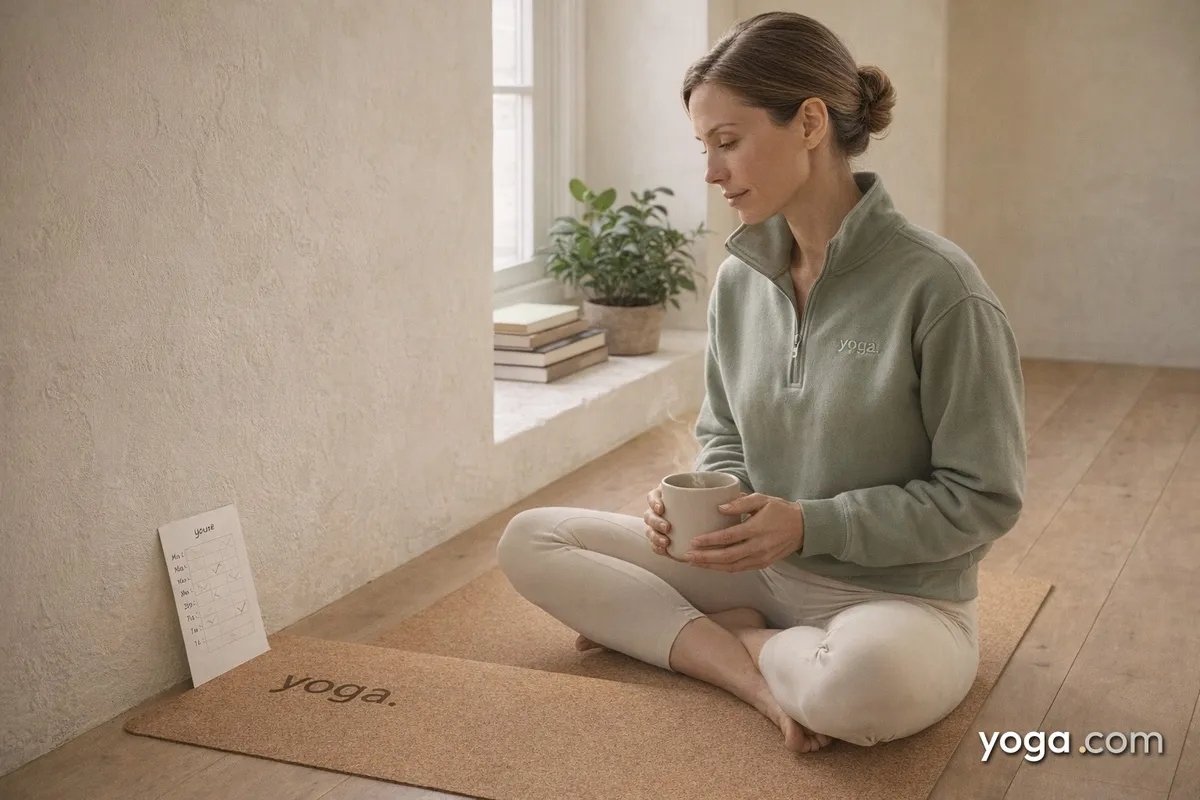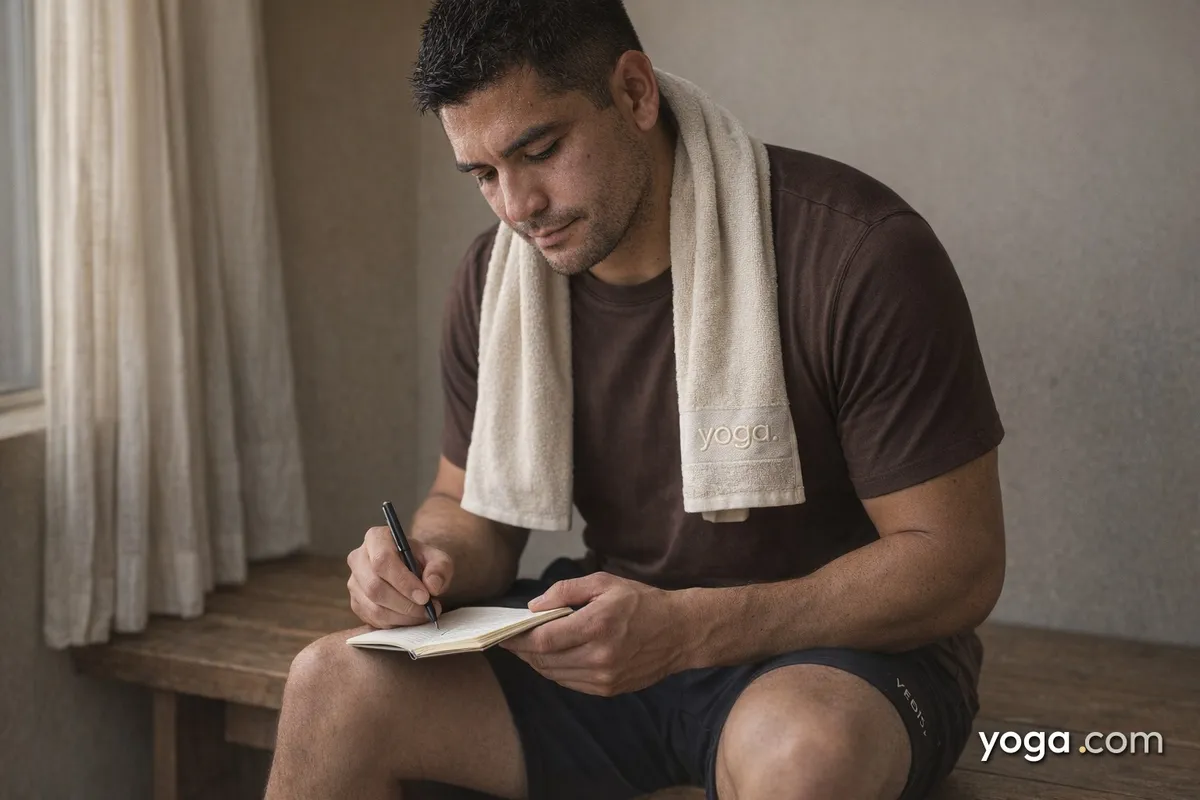

The morning ritual you'll actually keep is not a fresh alarm time plus a hopeful list of intentions that the snooze button defeats by Thursday. It's one designed for the morning you really have. The problem usually isn't willpower - it's that most routines get built for an ideal version of your day, not the real one. Creating a ritual that sticks starts with understanding how habits truly form, then designing something that fits your real life instead of a fantasy version of it.
Why Most Morning Routines Fall Apart
The biggest trap is ambition. You plan to wake up early, move your body, meditate, journal, and eat a nourishing breakfast - all before 8 a.m. That is not a routine. That kind of plan is basically a second job, and most people cannot sustain a second job every morning.
When your routine feels like a burden, you drop it, feel like you have failed, and that discouragement makes starting again much harder. This cycle is exhausting and completely avoidable. Your routine should feel manageable, not overwhelming.
Here's the honest truth about how long habits actually take to stick: research published in the European Journal of Social Psychology found that automaticity plateaued at 66 days on average, with individual variation spanning 18 to 254 days. Exercise habits took even longer - a median of 91 days, compared to 59-65 days for eating and drinking habits. Your personal timeline may differ significantly from the average, and that is completely normal.
That means some mornings will still feel like real effort even after two or three months of trying. That is not failure - it is just how habit formation works for most people, and knowing this ahead of time helps you stay patient with your progress.
The Good News: Morning Is the Best Time to Build a Habit
If you are going to build any new habit, morning is genuinely your best window - and this is not just popular opinion. A 2024 systematic review of 20 studies involving 2,601 participants found that morning practices and self-selected habits generally showed greater strength than other types of habits.
And the payoff is very real. According to the 'Morning Mindset' survey, 90% of Americans say their morning routine sets the tone for their mental wellness for the rest of the day. A calm morning carries differently than a chaotic one - the way your morning goes tends to shape how you feel and perform for the whole day.
Start Here: Three Things, Not Ten
When you're beginning, three intentional actions is a complete routine. Seriously. Try this:
- Drink a glass of water before anything else.
- Move your body for 5-10 minutes (more on this below).
- Set one intention - a single sentence about what matters today.
That's it. You can always layer in more later. But a short routine you actually do every day is worth infinitely more than a long one you abandon by Wednesday.
The top barriers to a consistent morning ritual are lack of time (29%), lack of energy (28%), and family obligations (25%) - all real constraints. A three-step routine sidesteps all of them.
The Yoga Sequence That Works Before Your Body Wakes Up
Here's something most fitness guides skip: your body is stiffer in the first 30-60 minutes after waking. Many practitioners and movement educators report that synovial fluid in the joints and fluid in the spinal discs need time to redistribute after a night of stillness, which is why deep forward folds and aggressive hamstring stretches tend to feel better and carry less risk 10-15 minutes into movement rather than at the very start.
For the very first minutes of movement, prioritize gentle spinal mobilization - your spine has been still for hours, and that is what your body needs first.
A 5-Minute Wake-Up Flow
- Cat-Cow (Marjaryasana-Bitilasana): Move one vertebra at a time, starting from the tailbone. Let the breath lead - inhale to lift the chest and tailbone (Cow), exhale to round and drop the head (Cat). Don't rush it. This movement pumps fluid back into the spinal discs without stressing cold tissue, so keeping your pace slow and steady matters here.
- Knees-to-Chest Pose (Apanasana): Draw both knees in gently and rock side to side. This pose quietly tractions the lumbar spine - one of the most commonly stiff areas after sleep - while also releasing the hip flexors. The rocking motion helps your body begin to warm up with very little effort.
- Supine Spinal Twist (Supta Matsyendrasana): Both sides. Breathe into the ribcage and let gravity do the work. No forcing - gravity is already doing the job for you.
Once you feel warmer - even just 5 minutes in - you can move into 2-3 rounds of Sun Salutation (Surya Namaskarasana). Even at a slow pace with one breath per movement, two rounds cover the essentials: spinal flexion and extension, a hip flexor stretch in Low Lunge (Anjaneyasana), shoulder opening in Downward-Facing Dog (Adho Mukha Svanasana), and hamstring lengthening in Standing Forward Fold (Uttanasana). Two rounds cover plenty of ground in a short amount of time. Total time: under five minutes.
Don't Skip the Breath
Two to three minutes of slow diaphragmatic breathing - exhale longer than the inhale - can help settle your nervous system before the day takes over. It costs nothing except two minutes before you reach for your phone. Start there before anything else if movement feels like too much on a given morning - your breath is always available to you.
Your Morning Actually Starts the Night Before
No morning ritual survives chronic sleep deprivation. Adults need seven to nine hours of sleep each night to support a good morning routine, and more than one-third of adults are regularly sleeping less than seven hours.
If that's you, your first morning upgrade isn't a new pose or a journal prompt - it's bedtime. A consistent sleep and wake time (yes, even weekends) helps regulate your body clock and makes waking up feel less like a battle over time.
One more thing: 42% of Americans report spending their morning free time scrolling social media. If you're checking your phone before you've done anything for yourself, your routine has already been hijacked. Put the phone across the room at night. It's a small change with an outsized effect.
Use Morning Light to Your Advantage
Research suggests that morning light can help you wake up more naturally and quickly. Getting outside - or even near a bright window - within the first hour anchors your circadian rhythm and supports better energy and sleep quality down the line.
Even a five-minute walk outside counts. Pair it with your glass of water and a few deep breaths, and you have a ritual already.
What to Do When You Miss a Day
You will miss a day - and that is not a problem. The habit research is reassuring here: occasional missed days don't meaningfully set back the habit formation process. What matters is returning to the routine the next morning without drama or self-criticism.
Think of your routine as a practice, not a performance. There is no scoring and no failure record. There is only showing up, most mornings, over time. The routine will still be there waiting for you the next day.
As always, if you have any injuries or health concerns - especially related to your spine or joints - consult a healthcare professional or a qualified yoga teacher before starting a new movement practice.
Start Small, Stay Consistent
The morning ritual you'll actually keep isn't the most impressive one - it's the most honest one. Start with three small actions. Protect your sleep. Get some light and some movement. Let the breath anchor you before the noise of the day begins. Then just keep showing up. Not perfectly. Consistently. That's the whole practice.
Sources
- PMC / National Library of Medicine - Systematic review and meta-analysis on habit formation (2024)
- American Council on Science and Health - The 21-Day Myth: How Habits Really Form
- Sleep Foundation - Sleep Facts and Statistics
- American Heart Association - How to Establish a Wake-Up Routine for a Good Morning
- CNBC - 90% of Americans Love Morning Routines but Most Spend Under 30 Minutes on Them