A student folds forward, fingers stopping four inches from the floor, something behind the knee humming a warning. She pushes anyway - measures the gap, promises to close it tomorrow. That instinct is exactly where stretching vs forcing gets decided: the distinction is easy to get wrong, and it separates steady progress from setbacks that can cost you weeks, or longer.
Before you begin: If you have a back or joint condition, a recent injury, are pregnant, or are returning to exercise after a period of inactivity, talk to your doctor or a physical therapist before starting or changing a stretching routine. This article is educational and isn't a substitute for individual medical advice.
Why the Line Between Stretch and Force Matters
A true stretch lives at the edge of sensation - a gentle pull, a warmth, maybe a mild hum. Forcing takes you past that edge into sharp, biting, or electric discomfort. One builds tissue over time. The other tears it.
Muscle strains are graded by severity, and the gap between grades is significant. A mild strain - just a few fibers stretched or torn - often eases within a few weeks if it's in your back, though a mild-to-moderate leg strain can take eight to ten weeks or more (Harvard Health). Grade II strains, involving more fibers and real pain, can take two to three months or longer. Push into a full Grade III tear - the kind where the muscle rips or shears from its tendon - and you're looking at serious rehabilitation. That morning on the stairs? Likely a mild or moderate strain that could have been avoided entirely.
What Actually Happens When You Stretch Safely
Flexibility isn't just about muscle length. Your tendons matter too - the part nobody thinks about. Consistent stretching programmes can significantly influence the viscosity of tendons, making them more compliant - meaning they absorb load better and move more freely. The research is mixed, mind you, and the effect seems most relevant to high-intensity, jumping sports rather than general flexibility work. None of it happens overnight. Forcing won't speed it up either.
Progress is slow, nonlinear, quietly cumulative. The half-inch you gain in a Tuesday morning practice might not register until a Thursday three weeks later, when you reach down for your shoelace and your fingers just… arrive. The work was banked the whole time; your body just hadn't posted it yet.
The Types of Stretches Worth Knowing
Not all stretching is the same. Match the method to your goal - it changes what you get out of the practice.
Static Stretching
Static stretches involve holding a position for 30 seconds or longer. Think of a Seated Forward Fold (Paschimottanasana) held steadily, with your breath moving and tension slowly releasing. Static stretching is the workhorse of flexibility work - simple, accessible, and it rewards regularity over intensity. Often beats hard.
Yin Yoga
If you want to go deeper into connective tissue - fascia, ligaments, the dense stuff that does not respond quickly - Yin yoga uses gravity-assisted holds of three to five minutes to reach those layers. Poses like Sleeping Swan (a Yin variation of Pigeon Pose / Eka Pada Rajakapotasana) or Caterpillar (a Yin forward fold) are held long and passively, giving the deeper layers time to let go. Yin can feel intense. That intensity isn't a green light to force anything - it's a reason to watch your edges even more closely.
PNF Stretching
Proprioceptive Neuromuscular Facilitation (PNF) is one of the more effective techniques for gaining range of motion. It involves contracting the target muscle for 15 to 20 seconds before relaxing further into the stretch. The mechanics matter here, so learn it with a teacher or therapist until you're confident with the technique.
Before you begin the steps below: If you have a back or joint condition, a recent injury, or any health concern that may be affected by stretching, consult your doctor or physical therapist before following this guide.
How to Stretch Without Forcing: A Practical Guide
Poses That Teach You to Stretch, Not Force
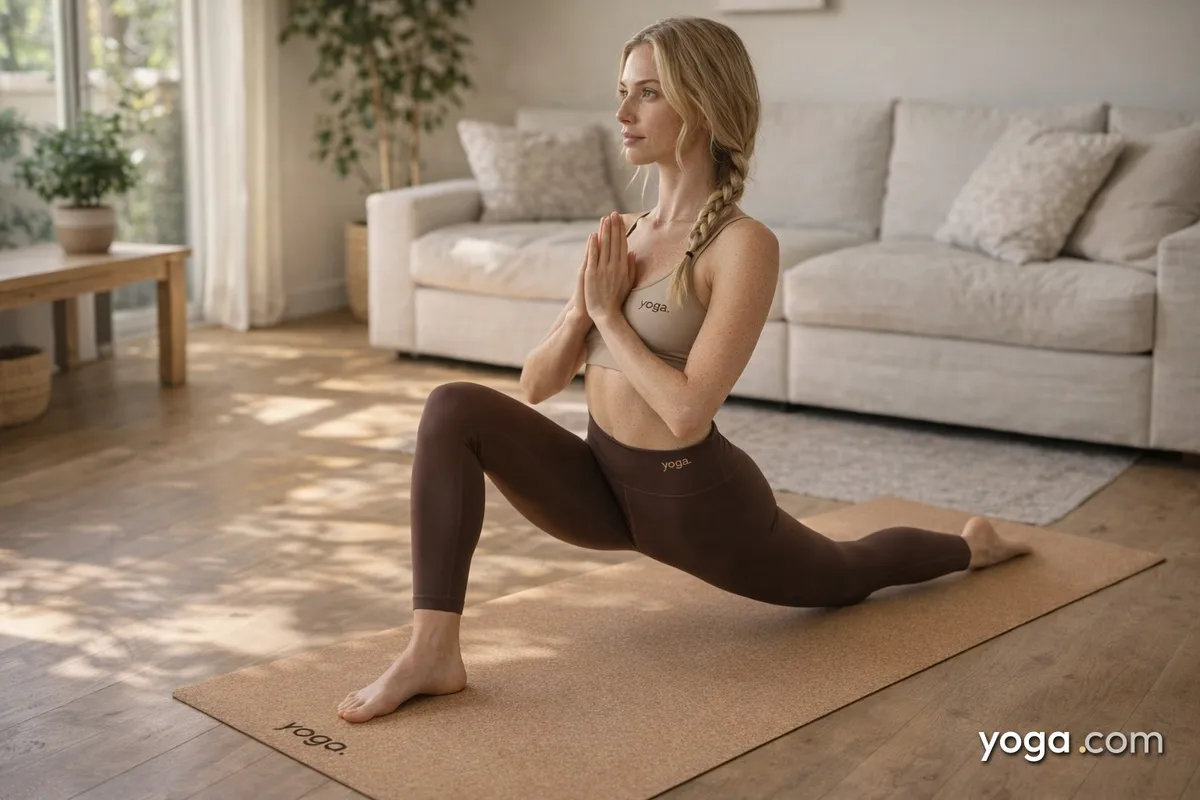
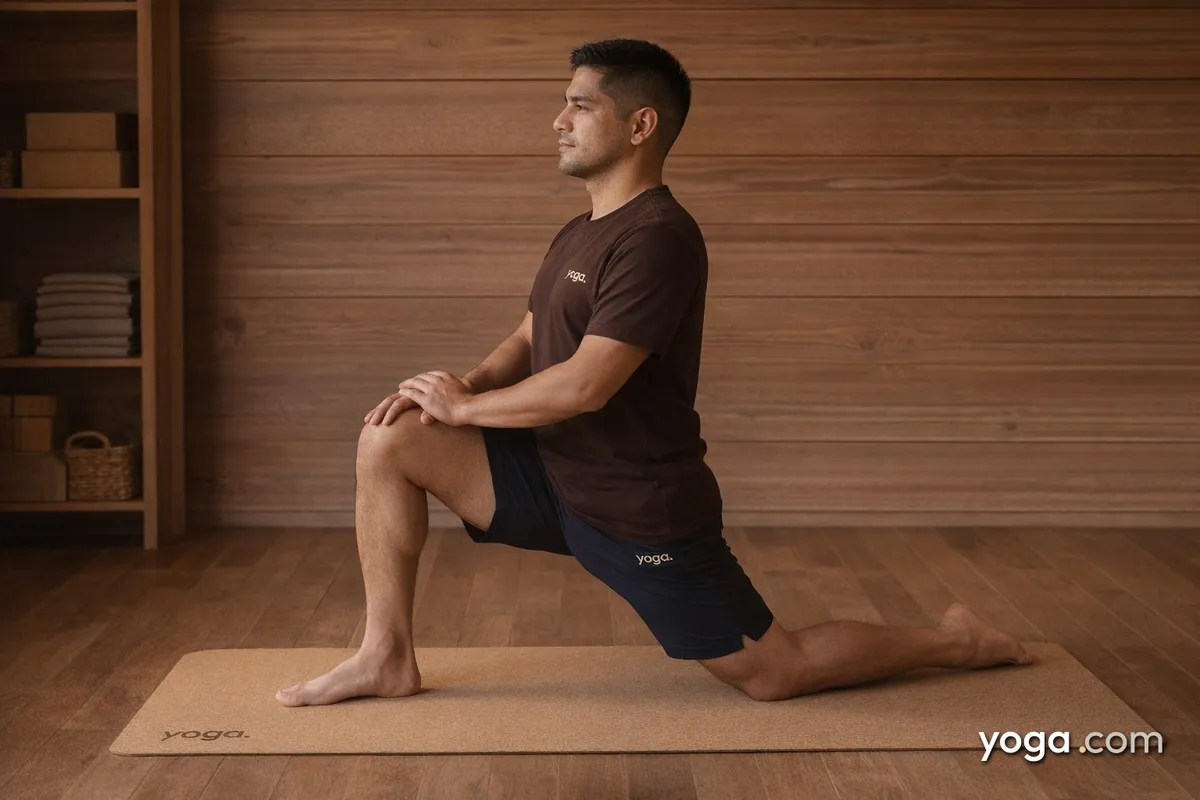
These asanas are ideal for building flexibility with patience and awareness - not aggression.
The Notebook Problem: When Measuring Becomes Forcing
Tracking progress isn't wrong. But circling numbers in orange felt-tip and going back over them darker when they don't improve fast enough - that's forcing with a pen instead of a hand. The whole point of understanding stretching vs forcing is recognising that flexibility doesn't respond to urgency; it responds to consistency and safety.
If you feel the urge to push harder because yesterday's number was better, pause. Ask yourself: is this a stretch, or is it a demand? Your tissues don't care about your timeline. They care about load, rest, and repetition over time.
And if something sharp, electric, or genuinely painful happens - stop. See a physical therapist or your doctor. Soft-tissue injuries that don't get proper care don't just take longer to heal; they can become chronic. That's worth repeating: pain is a signal, not an obstacle.
One Last Thing
Real flexibility is built at the edge - not past it. Show up two to three times a week, warm up first, breathe through each hold, and let go of the orange circles. The lace will be there when your fingers are ready. The block is a tool, not a measure of your worth. Use it.
This article is for general informational purposes only and does not constitute medical advice. If you're dealing with pain, an injury, or a specific condition, please consult a qualified healthcare professional before beginning or changing a stretching routine.