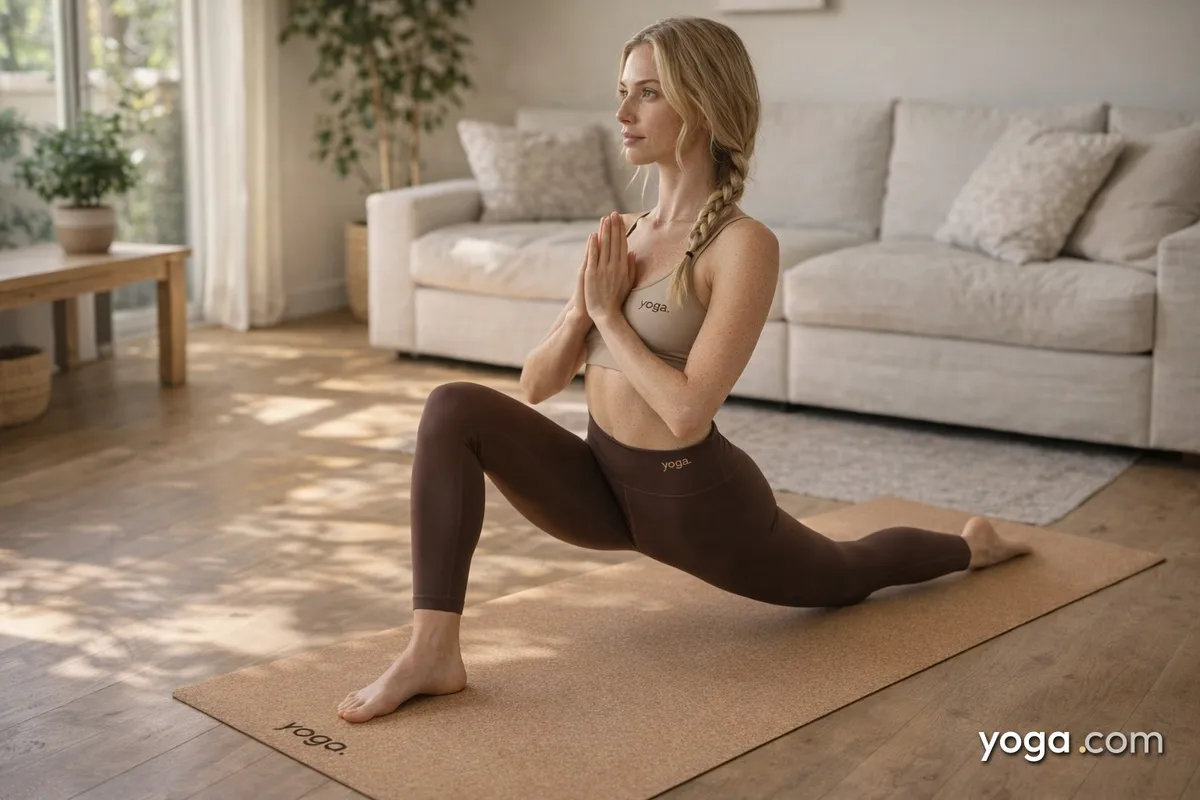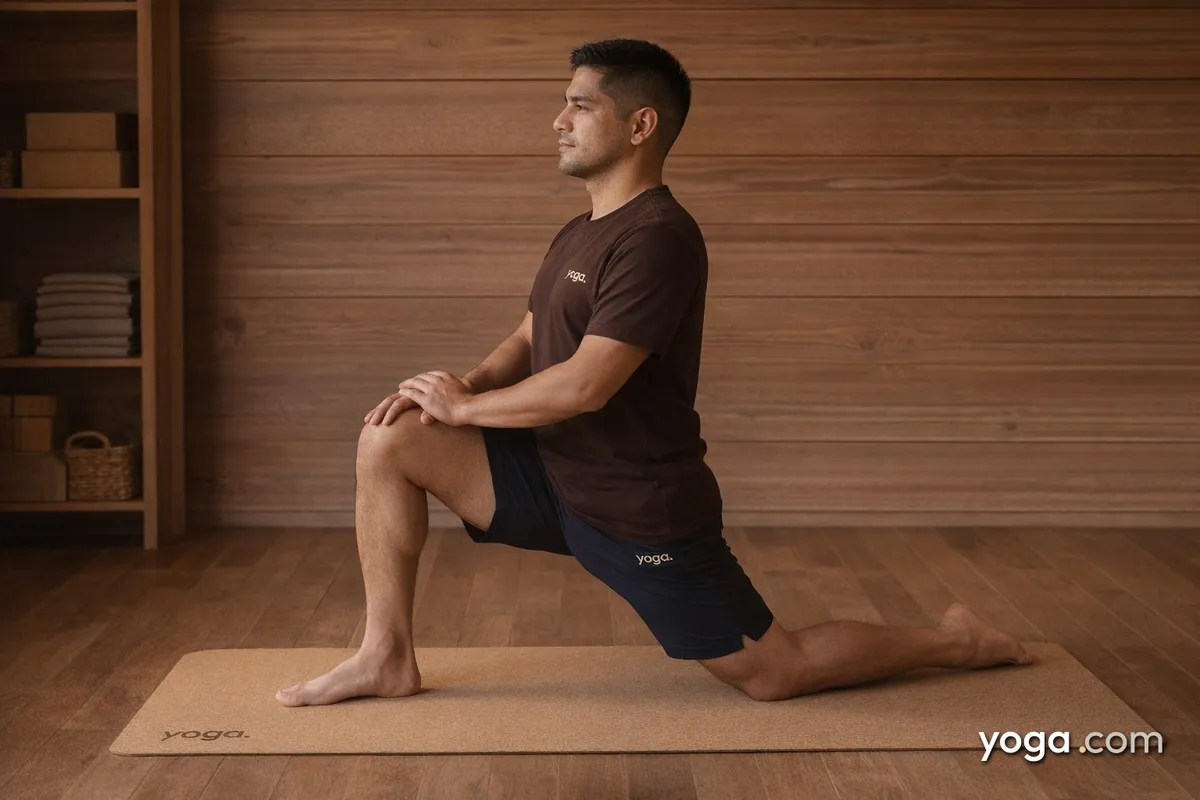
The lumbar spine is only five vertebrae, and they take on most of the load every time you bend, fold, or lift. So when your back hurts, yoga can feel like exactly the right medicine - and it often is. But without a few smart habits in place, some poses can irritate the lower back just as easily as they can soothe it. Here's how to practice smarter, feel safer, and actually get the relief you came for.
Why the Lower Back Deserves Extra Attention in Yoga
Lower back pain is genuinely one of the most common reasons people arrive on a yoga mat. According to the World Health Organization, low back pain affected 619 million people globally in 2020 - and that number is expected to keep climbing.
What makes it especially tricky is that it tends to recur. Research shows that 25-80% of people with low back pain experience some form of recurrent back problem in the following year. That's a wide range - but even at the low end, it means the risk of it coming back is real.
The good news? Yoga, done thoughtfully, can genuinely help. In a pilot randomized controlled trial, mean pain scores for yoga participants decreased from 6.7 to 4.4 over 12 weeks, compared to virtually no change in the usual care group - and yoga participants also reported significantly less analgesic use. The key phrase there is "done thoughtfully."
What Yoga Actually Does for Your Back
Yoga works on the muscles that support your spine - the ones that, when weak or tight, force your lower back to overcompensate. Think of your paraspinal muscles, the deep multifidus (which stabilize individual vertebrae), and the transverse abdominis in your abdomen. When these are doing their job, your lower back gets a break.
Flexibility alone isn't the whole story, though. Too much passive flexibility without the muscular stability to control it can actually increase injury risk. A well-taught yoga practice builds both - and that balance is exactly what a vulnerable lower back needs.
Five Habits That Protect Your Lower Back in Every Practice
1. Engage Your Core Before You Move
Before any pose - a forward fold, a twist, a backbend - gently draw your lower belly inward and upward. Not a hard suck-in, just a soft, conscious brace. This small action creates a natural corset of support around your lumbar spine and is the single most protective thing you can do. Engaging your core before you move is one of the most important habits for keeping your lower back safe in every practice.
Skip this step and you are essentially asking your lower back to carry the full load of every movement on its own, and so your lumbar spine takes on stress that your core muscles should be sharing.
2. Bend Your Knees in Forward Folds
This is where a surprising number of lower back injuries in yoga originate. When your hamstrings are tight, a straight-legged forward fold does not actually come from your hips - it comes from your lower back rounding under load and so your lower back ends up doing work it was never meant to do. That is the opposite of helpful.
- Keep a soft bend in your knees in Standing Forward Fold (Uttanasana) and similar poses.
- Let the pelvis tip forward freely rather than forcing the spine to compensate.
- If you have a disc herniation or active sciatica, avoid deep forward folds entirely until a healthcare provider has cleared you.
3. Move Slowly and Never Force Range
A sharp or burning sensation in the lower back during a pose is a clear signal to back off immediately. A gentle stretching feeling is fine. Sharp is not. Keep in mind that your body is always giving you information, and it is important that you listen to that information before an injury happens.
Never bounce in a stretch or use momentum to go deeper because bouncing triggers a sudden muscular contraction and that reflex is exactly how tissue tears. Move into a pose slowly, hold the pose gently, and come out of the pose the same way.
4. Use Props - Seriously
Blocks, straps, and blankets are not signs of weakness. On top of that, these props are precision tools that allow you to do each pose in a way that actually protects your lower back rather than straining it.
- A block under your hands in a forward fold brings the floor to you, so your back stays long instead of rounding to reach the ground.
- A folded blanket under your sit bones in seated poses tilts the pelvis forward and takes strain off the lumbar curve.
- A strap around your feet in Seated Forward Fold (Paschimottanasana) lets you keep length in the spine rather than collapsing into your lower back.
One practical tip: a standard foam block has three usable heights. If the tallest height feels too high, just flip the block. The pose adjusts to your body - not the other way around.
5. Warm Up Before You Flow
Cold muscles do not respond well to sustained loading and so your lower back is at greater risk when you skip a warm-up. Even five minutes of gentle movement - Cat-Cow (Marjaryasana-Bitilasana), slow hip circles, or easy Child's Pose (Balasana) - makes a measurable difference in how your body responds to the poses that follow. Warming up prepares your muscles and your spine for the work ahead, and you should not skip this step, especially on days when your back already feels stiff.
Poses to Approach With Extra Care
Some poses are particularly demanding on the lower back when alignment isn't spot-on. If your alignment is off even a little, these poses can cause real problems for your lower back, so you should treat them mindfully and with full attention.
- Seated Forward Fold (Paschimottanasana): Use a strap when you do this pose and keep a generous bend in the knees if your hamstrings are tight, because tight hamstrings will pull on your lower back and make the pose unsafe for you.
- Upward-Facing Dog (Urdhva Mukha Svanasana): Press firmly through the tops of your feet and engage your thighs so your lower back isn't crunching into the backbend. Keep in mind that if your thighs are not engaged, your lower back will take all the pressure from this pose.
- Revolved Triangle (Parivrtta Trikonasana): This pose is a deep twist and a forward fold combined and so your lower back is working very hard during Revolved Triangle - go slowly, use a block, and skip this pose completely if you are having an acute flare-up.
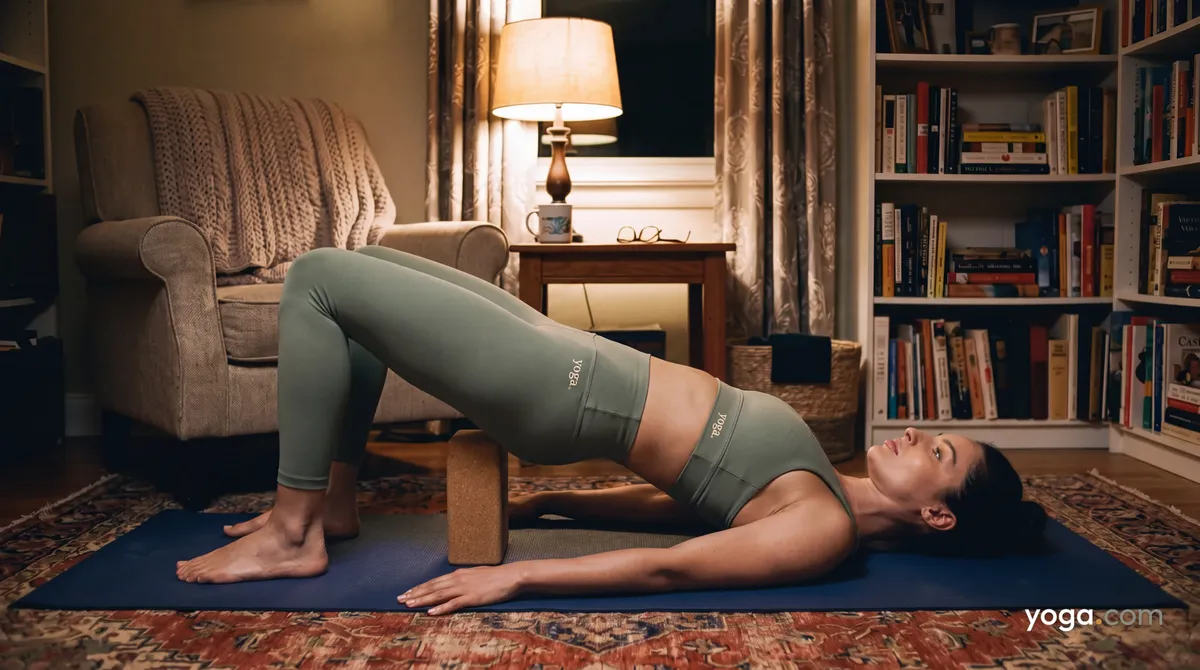
- Full Wheel (Urdhva Dhanurasana): This is an advanced backbend and your lower back carries a heavy load in Full Wheel. On top of that, Bridge Pose (Setu Bandha Sarvangasana) is a safer and equally effective alternative for most beginners, so most beginners should choose Bridge Pose instead.
When to Talk to a Professional First
A general guide like this one is a starting point - not a substitute for individualized care. If you have a diagnosed spinal condition, recent injury, or pain that radiates down your leg, please speak with your doctor or a physical therapist before beginning or continuing a yoga practice.
A qualified yoga teacher experienced with back issues can also be invaluable. They can see alignment problems you genuinely can't feel from the inside. And if any pose causes pain that lingers after class ends, stop doing that pose and have it evaluated by a healthcare professional. That's not overcaution - that's good practice.
Where This Leaves You
Protecting your lower back in yoga isn't complicated, but it does require intention. Engage your core, bend your knees, use your props, move slowly, and warm up first. These aren't beginner shortcuts - they're habits that the most experienced practitioners rely on every time they practice. Build them in now, and your mat becomes a place of genuine healing rather than an accidental source of more strain.