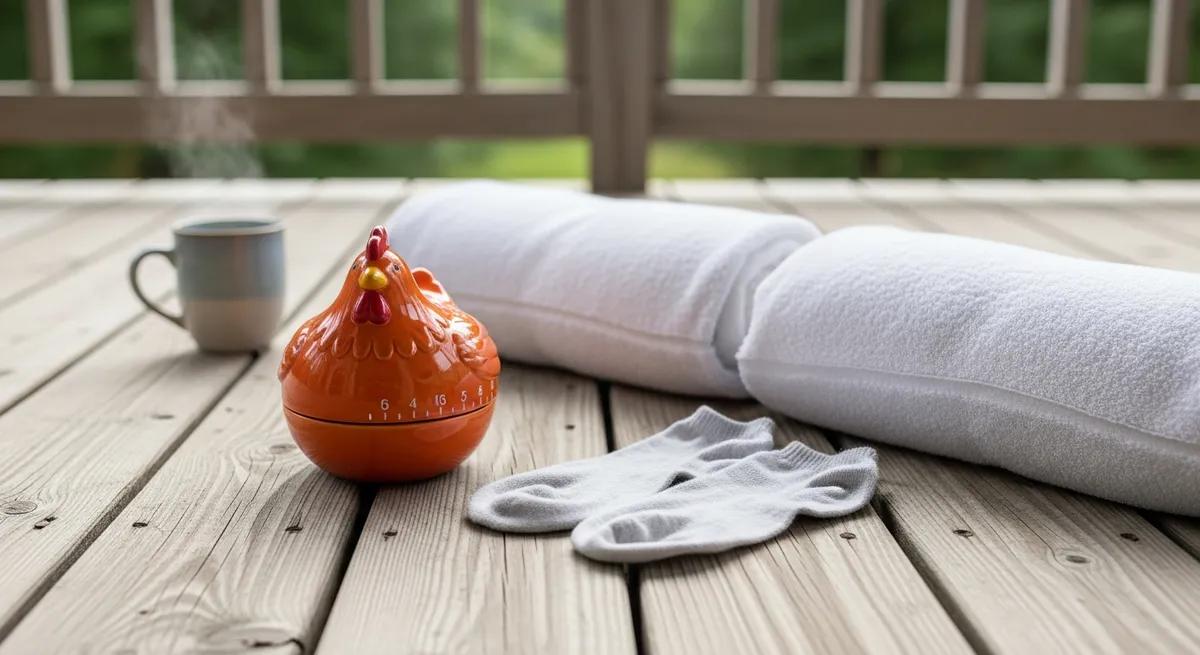
The timer was orange and shaped like a fat hen. Three minutes on a cold kitchen floor, socks on, thoughts arriving like uninvited guests — the dentist, a parking argument, a text you answered wrong. And yet, something shifted. If you've been putting off meditation because it feels too hard, too long, or too spiritual for your Tuesday morning, it's worth knowing: almost every reason not to start is a myth.
Myth #1: You Need to Meditate for a Long Time to See Results
This is the one that stops most people before they ever sit down. The assumption that you need a 45-minute cushion session to get anything real out of meditation simply isn't supported by the evidence.
Research shows that even 10 minutes of mindfulness makes a positive difference. And the bar may be even lower than that. A 2019 study found that participants with zero meditation experience were able to reap benefits after just 13 minutes of daily practice.
Three minutes while the coffee brews counts. So does five minutes in your parked car before you walk into work. Start there.
Myth #2: Your Mind Is Supposed to Go Blank
The dentist will show up. So will the grocery list, the unread email, and that thing someone said last Tuesday. That is not failure — that is a functioning human brain doing exactly what brains do and you should not be surprised when your brain behaves this way because this is completely normal.
Meditation is not about emptying your mind. The simple fact is that meditation is about noticing when your mind wanders and gently bringing your attention back. Every time you do that — notice, return, notice, return — you are practicing. Keep in mind that the thoughts passing through are the actual work of meditation, not the obstacle to it. On top of that, each time you catch your mind wandering and bring your attention back, your mind is doing exactly what meditation asks your mind to do.
Myth #3: You Have to Sit in a Special Way
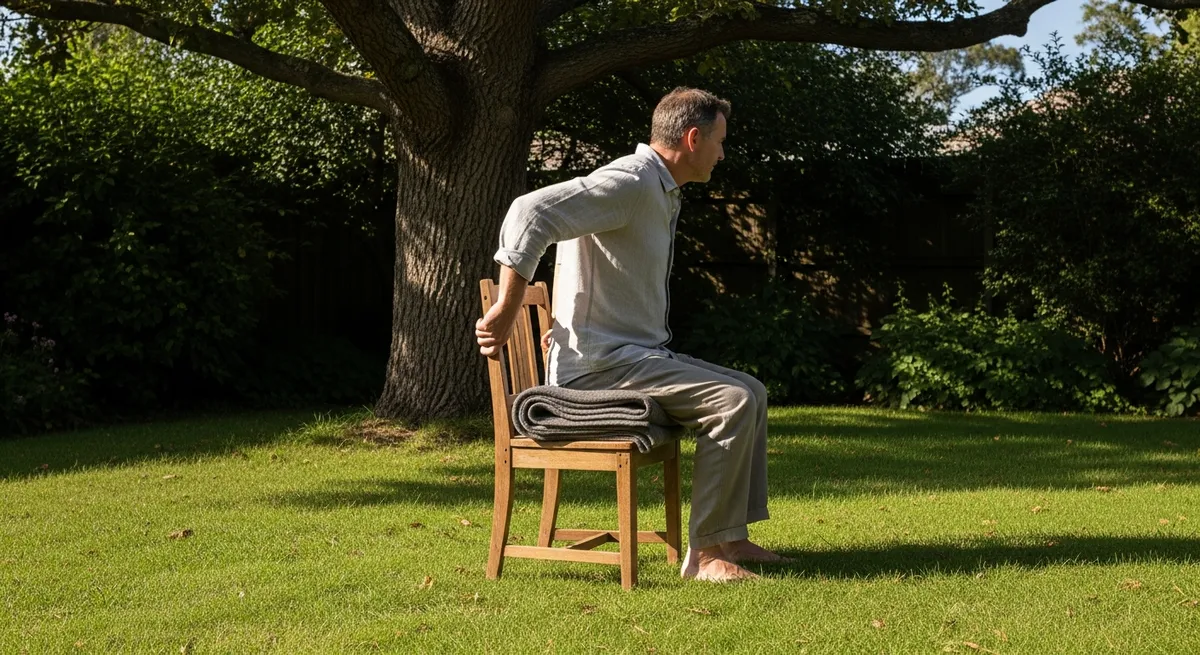
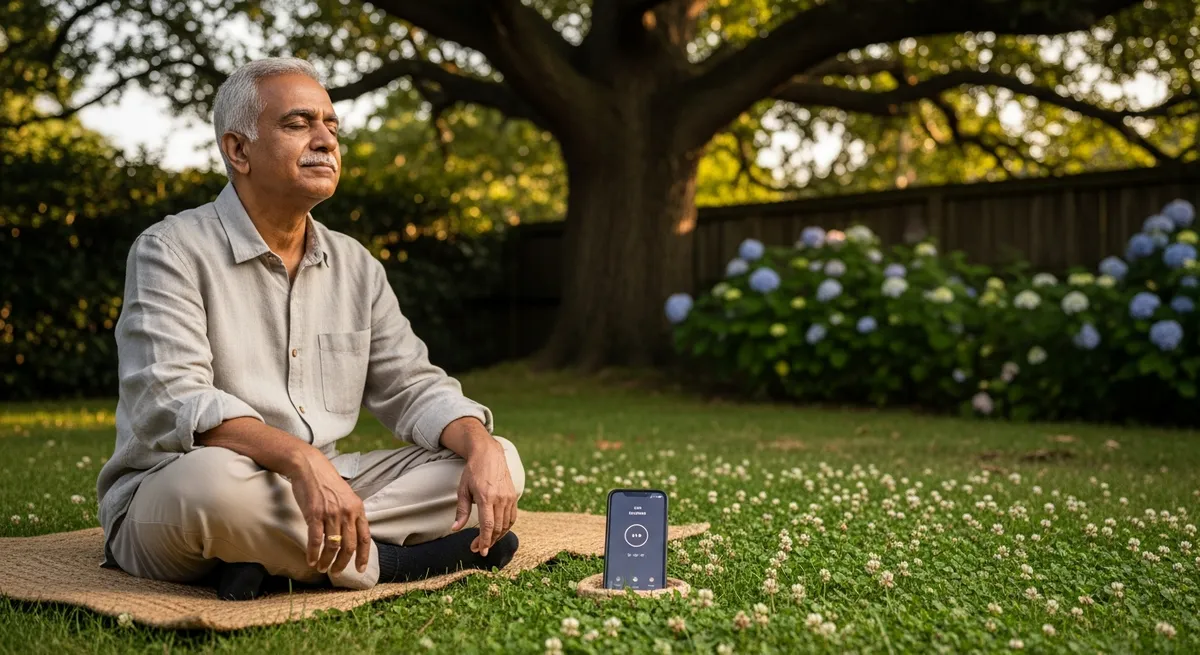
No lotus position is required. No incense is needed and no dedicated room is necessary. The simple fact is that you can sit on the floor with a folded bath towel under your knees, in a chair with your feet flat on the ground, or on the edge of your bed before you have even had coffee. You do not need any special setup to meditate and you do not need to look like a meditation expert to get the benefit.
Keep in mind that the kitchen floor in your socks is a perfectly valid meditation seat. The position you choose does not have to be special or formal and the position just has to work for your body so you can stay still and focused for a few minutes.
Myth #4: It's a Spiritual or Religious Practice — and Not for Everyone
Meditation has deep roots in contemplative traditions, and for many people those roots are part of its meaning. But secular mindfulness practice is something else entirely — and it's accessible to anyone regardless of belief system.
The percentage of U.S. adults who practiced meditation more than doubled between 2002 and 2022, from 7.5 to 17.3 percent — a sign that people from all backgrounds are finding their way in. You bring whatever framework you have. The practice meets you there.
Myth #5: If You Miss a Day, You've Ruined Your Progress
There was a week in February where the floor felt too cold and the coffee too hot and somehow it just didn't happen. Sound familiar? Missing days is part of the process for almost everyone — and it doesn't erase what you've built.
People who kept up meditation for eight weeks experienced enhanced memory, less anxiety, and improved focus — but "kept up" doesn't mean perfect attendance. It means coming back. Sitting down the following Tuesday, even if it's been a week, counts as coming back.
Aiming to practice daily for about six months gives the habit time to become genuinely automatic — but that arc has room for gaps in it.
Myth #6: You Need a Teacher, a Class, or Special Equipment
A teacher can be valuable, especially as your practice deepens. But you don't need one to begin. A phone timer works. A kitchen timer shaped like a fat orange hen works.
If you want structured guidance, apps are a genuinely useful on-ramp. More than half of meditators have used a meditation app at least once, with Headspace and Calm among the most frequently used. They're not a substitute for a sustained practice, but they lower the barrier to entry considerably — especially when you're not sure where to start.
Myth #7: Meditation Is All Upside — No Downsides to Watch For
This one goes the other way. Meditation is widely and rightly praised, but it's worth knowing that not every experience will feel good. A 2020 review of 83 studies found that about 8 percent of participants reported a negative effect from meditation — similar to rates seen with psychological therapies.
Occasionally sitting with your thoughts surfaces things that feel uncomfortable or even distressing. That's not unusual — but if you have a history of trauma, anxiety, or a diagnosed mental health condition, it's worth talking to a mental health professional before starting or deepening a practice. Meditation is a supportive tool, not a replacement for care.
What Meditation Can Actually Do for You
Let's be honest about the benefits, too — because they're real, and they're worth sitting down for.
Notice that word "may." The research is promising and growing — not a guarantee. But shoulders that drop on their own, a jaw that's already loose when the car alarm starts, a dentist bill that's just a dentist bill — those small shifts are real, and they're available to you sooner than you think.
How to Actually Begin Today
The Bottom Line
The myths around meditation — that it takes too long, requires a blank mind, demands perfect posture or perfect consistency — are the reasons most people never start. None of them are true. You don't need a hen-shaped timer or a hardwood floor or a reason you can fully explain. You need three minutes and a willingness to sit with whatever shows up. Start today. The dentist will probably visit. Let him pass through.