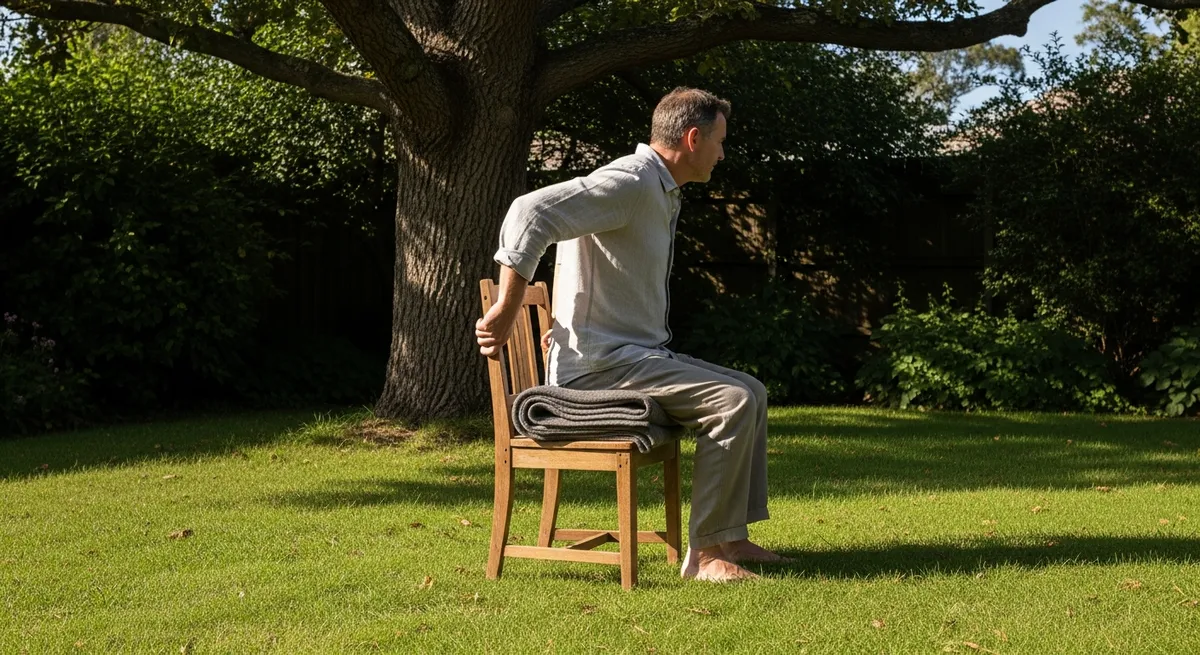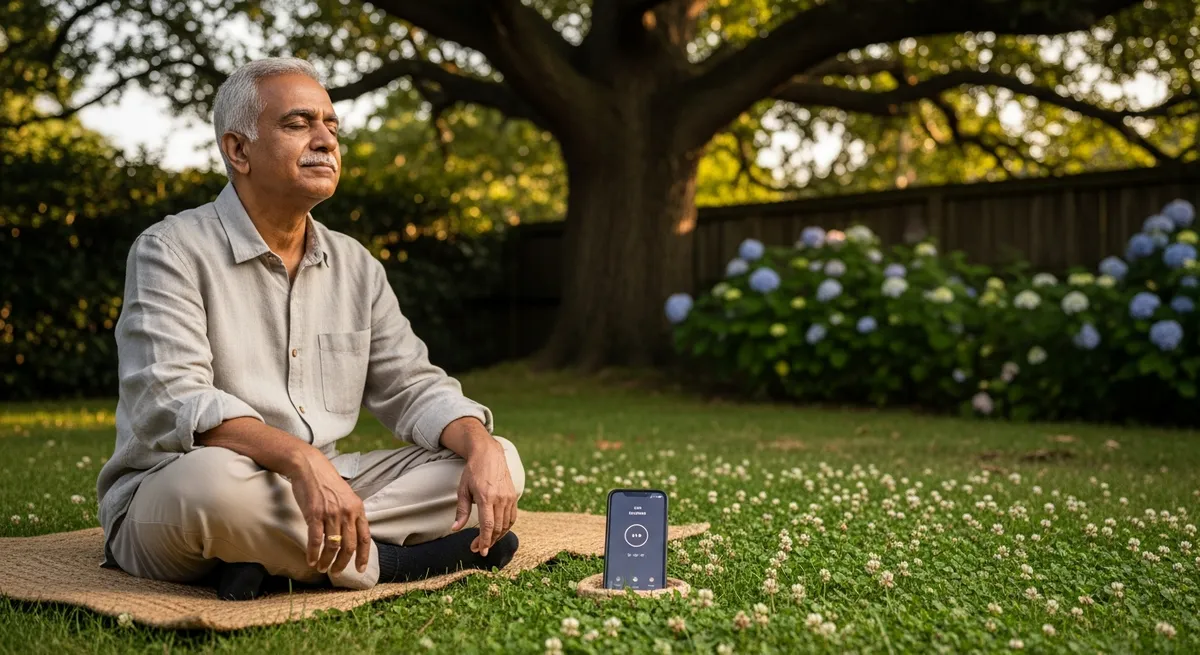

You sit down, close your eyes, and try to breathe. Within thirty seconds your mind is running through tomorrow's grocery list, replaying an awkward conversation, and wondering if you're doing this right. Sound familiar? Restlessness at the start of a mindfulness practice isn't a sign you've failed — it's one of the most honest, human parts of the whole process. Here's what's actually happening, and how to work with it instead of against it.
Your Mind Was Never Meant to Just Stop
Mindfulness is not about forcing your mind into silence. Mindfulness is about noticing what is happening — even when what is happening is noise, to-do lists, and that low hum of anxiety you have been carrying all day. Keep in mind that noticing is the whole point, and so you do not need to make your mind go quiet to practice mindfulness correctly.
It's completely normal for your mind to wander during meditation, no matter how long you've been practicing. The simple fact is that the work is not stopping your thoughts and it never was. The real work is noticing when your mind has drifted and then gently returning your attention back to the present moment and doing that again and again because that returning is what builds the skill. That noticing — that single moment of awareness — is the practice, and your practice gets stronger every time you do it.
Restlessness Is Common. So Are Difficult Experiences.
Most beginner guides skip this part, but you deserve the honest picture. A 2020 review examined 83 studies involving 6,703 participants and found that 55 of those studies reported negative experiences related to meditation. The same review found that about 8 percent of participants had a negative effect from practicing — a rate similar to that seen in psychological therapies — with anxiety and depression being the most commonly reported negative effects.
That doesn't mean meditation isn't worth trying. It means going in with realistic expectations protects you. If uncomfortable emotions surface during practice, you haven't broken anything — but if they feel overwhelming, please talk to a qualified mental health professional before continuing. This is especially true if you have a history of trauma or anxiety.
You Don't Have to Sit Still to Practice Mindfulness
This is the piece most beginner guides leave out entirely. Movement-based mindfulness is real mindfulness. The simple fact is, if stillness keeps making things worse for you, reaching for a moving practice is not giving up — it is being smart about how your nervous system works right now. Keep in mind that your nervous system is different from someone else's nervous system, and so what works for you is what matters most.
Try these movement-based options first
The goal in all of these options is identical to seated meditation: bring your attention to what is happening right now, notice when your attention drifts, and bring your attention back. On top of that, the core practice stays exactly the same across all of these options. The container changes. The practice does not.
How Long Should You Actually Practice?
Short and consistent beats long and occasional every time. Beginners who push straight to thirty-minute sessions often quit before the habit has a chance to form. Start much smaller than you think you need to.
Showing up every day for five minutes builds more than showing up once a week for forty. The habit is the foundation everything else rests on.
What to Do When Restlessness Spikes Mid-Session
Restlessness that rises during a session isn't a reason to stop — it's something to work with directly. Try this:
A Program That's Been Doing This for Decades
If you want a structured framework, Mindfulness-Based Stress Reduction (MBSR) is one of the most studied options available. MBSR was created by Jon Kabat-Zinn in 1979 and has been researched for over 40 years, consistently showing benefits linked to increased self-awareness and improved emotional regulation. The simple fact is that MBSR has been around for a very long time and has built up a strong record of research behind it and so you can feel more confident choosing a program that has that kind of history. Many MBSR courses include movement, body-scan practices, and gentle yoga alongside seated meditation and so MBSR courses are a genuinely good fit for people who struggle with stillness because MBSR gives you more than one way to practice. Keep in mind that if sitting quietly is difficult for you, a program like MBSR that offers movement and body-scan work may be exactly what your practice needs.
The Bottom Line
Restlessness during mindfulness practice is not a flaw in you or a flaw in the practice itself. The simple fact is that restlessness is information, and information is something you can actually work with. Keep in mind that starting small is a good idea, and you can move if you need to move, so do not feel that staying perfectly still is required. Treat every single moment of noticing as a success, because that is exactly what it is and because that act of noticing is the whole point of the practice. The stillness, if it comes at all, tends to arrive quietly on its own and it usually arrives when you stop demanding it and stop forcing it to happen.