
You lie down, close your eyes, and simply notice your own body — no experience required. Body scan meditation is one of the most accessible entry points into meditation precisely because the instructions are so concrete: move your attention slowly from your feet to your head, one area at a time. This guide gives you a script you can use today, plus an honest look at what the research actually shows — benefits and limits.
What Is Body Scan Meditation?
Body scan meditation is an attention practice. You move your awareness methodically through each part of your body, noticing whatever sensations are there — warmth, tension, tingling, or nothing much at all — without trying to change anything.
It's a core technique in Mindfulness-Based Stress Reduction (MBSR), the structured program developed by Jon Kabat-Zinn in the 1980s. And recent brain imaging research suggests it does something specific: an fMRI study found that body scan meditation increases interoceptive awareness by enhancing the connection between the salience network and frontal/central gyri — in plain terms, it helps you tune into your body's signals more clearly.
It's not a relaxation trick, though relaxation sometimes follows. It's an exercise in focused noticing.
What the Research Actually Says (the Honest Version)
Most beginner guides skip this part. Here's what the evidence shows — good and cautious.
Potential benefits
Risks worth knowing
Meditation isn't universally gentle. A 2020 review of 83 studies (6,703 participants) found that 55 of those studies reported negative experiences, with about 8 percent of participants experiencing a negative effect. These can include increased anxiety, difficult memories surfacing, or feeling disconnected from your body.
If you have a history of trauma, anxiety disorders, or dissociation, please talk with a mental health professional before starting a meditation practice. This is especially important — not a formality.
Set Up Your Space (It Takes Two Minutes)
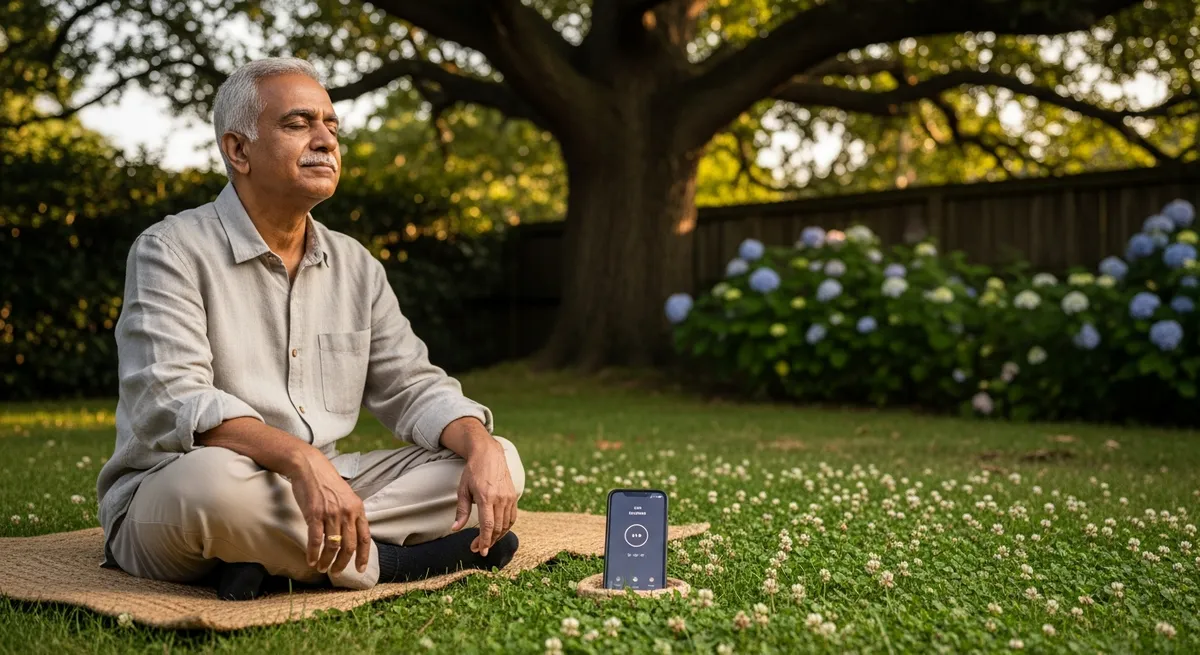
You do not need any special equipment to get started. A yoga mat, a bed, or a carpeted floor all work fine. The simple fact is that your setup does not have to be complicated. Here is what actually helps:
Even five minutes is a meaningful start. Keep in mind that consistency matters far more than duration. The more regularly you practice, the more benefit you will get, so do not worry too much about how long each session is.
Your Step-by-Step Body Scan Script
Read through this once, then do it from memory — or record yourself reading it slowly and play it back. The simple fact is that going through this script at least once before you start will make the whole practice easier for you.
Three Things Beginners Get Wrong
1. "If I don't feel relaxed, I failed."
The body scan is an attention exercise. Some days the most honest thing you'll notice is boredom, restlessness, or an itch on your nose. Noticing those things clearly is the practice working — not failing.
2. "I have to force my mind quiet."
You don't. Your mind will wander — that's what minds do. When you notice it has drifted, simply return your attention to whatever body part you were on. That gentle return is the practice. Do it as many times as you need to.
3. Rushing from feet to head in under a minute.
The slowness is doing the work. Give each area a few unhurried breaths before moving on. If the whole scan takes only 60 seconds, you're moving too fast.
What to Do If You Keep Falling Asleep
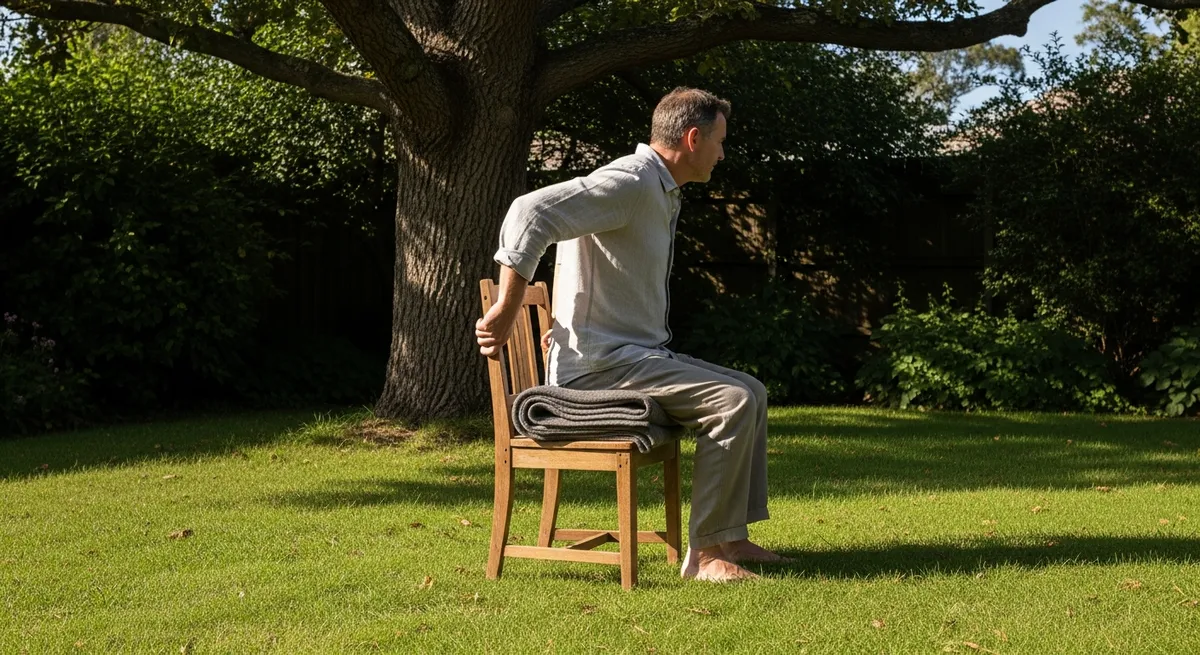
The simple fact is that falling asleep during practice happens, especially when you are already tired and your body is looking for rest. Falling asleep is not a crisis and you should not feel bad about it, but keep in mind that your practice does build more when you stay awake and present. There are two things that can help you stay awake and so it is worth trying both of them. First, try sitting upright instead of lying down, because an upright position sends a signal to your body that it is time to stay alert. On top of that, you can also shift your practice to earlier in the day when your energy levels are higher and falling asleep is less likely to happen.
Building a Regular Practice
One or two sessions won't give you much. Aim for most days of the week, even if each session is only five minutes. Frequency builds the habit; length can grow naturally from there.
If you want a more structured framework, the formal MBSR program runs over 8 consecutive weeks, with weekly two-hour group classes and approximately 45 minutes of daily home practice. That's a serious commitment — but it shows you what "a full dose" of this work looks like. Your home practice doesn't need to match that, but it does need to be regular.
The Bottom Line
Body scan meditation is genuinely beginner-friendly. The simple fact is that you lie down, you notice your body, and you return your attention when your mind wanders. That is really the whole practice. The research suggests real — if modest — benefits for sleep and pain, and honest risks for a small number of people. Keep in mind that going in with clear expectations matters a lot, and you should be gentle with yourself when your mind drifts, because your mind will drift and that is completely normal. On top of that, you should give body scan meditation a few consistent weeks before you decide whether it is working for you. Give the practice real time and real consistency, and then you will have a much better sense of whether body scan meditation is the right fit for you.