
You've probably used the two words interchangeably. Most people do. But mindfulness and meditation aren't the same thing — and once you understand the difference, both practices become far easier to use in real life. Here's a clear, honest breakdown of what each one actually is, what the research says, and where to begin.
They Overlap — But They're Not the Same Thing
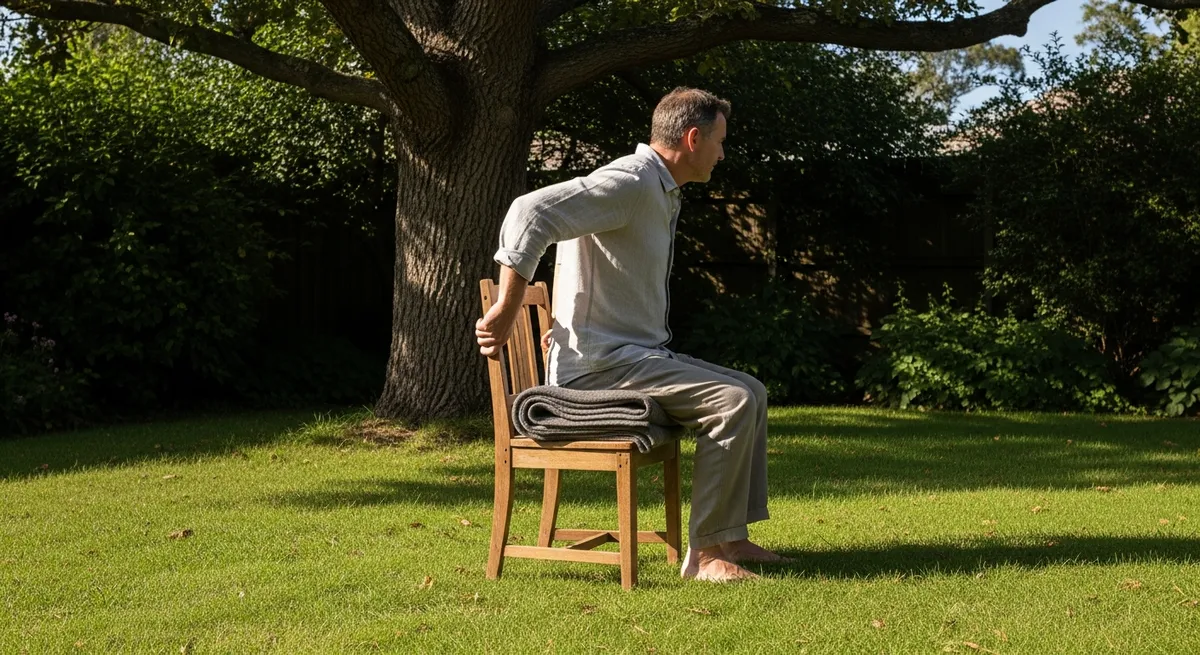
Mindfulness is a mental quality. It's the practice of paying deliberate, non-judgmental attention to what's happening right now — your breath, the weight of your feet on the floor, the taste of your coffee. You don't need a cushion or a quiet room. You can be mindful while washing dishes, walking to your car, or waiting in line.
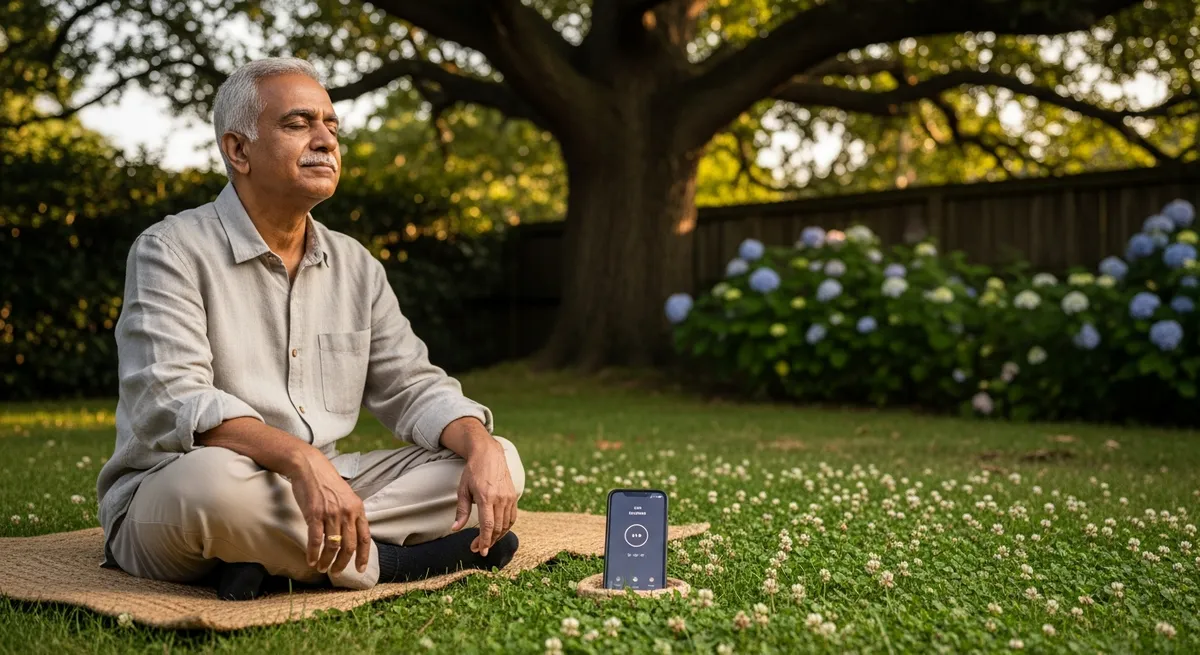
Meditation is a formal, structured practice. You set aside time, choose a technique, and deliberately train your attention. It has a beginning and an end. Many forms of meditation use mindfulness as their central tool — but meditation is the container, and mindfulness is one of the things you can put inside it.
The short version: mindfulness can happen anywhere, anytime. Meditation is a scheduled practice. One can exist without the other — though they work beautifully together.
What Mindfulness Actually Looks Like
When you're being mindful, you're simply noticing what's here. Not trying to stop your thoughts. Not trying to feel a certain way. Just observing — breath, sensation, sound — without immediately reacting or judging.
Research describes mindfulness as having two core components: self-regulation of attention, and a particular orientation of openness and curiosity toward your experience. Both matter. Attention without openness becomes rigid. Openness without attention becomes vague.
The roots of mindfulness run deep. Buddhism — a spiritual tradition at least 2,550 years old — is its most well-known source. But the version most Westerners encounter today was largely shaped by one person: Jon Kabat-Zinn, who in the 1970s launched the first mindfulness-based stress reduction (MBSR) course at the University of Massachusetts Medical School. Since then, more than 25,000 people have completed it.
What Meditation Actually Looks Like
Meditation is broader than most people realize. It is not one single thing but a whole category of practices and so there are many different ways you can do it. Some common types include:
The simple fact is that you do not need to follow any particular belief system to practice meditation. Keep in mind that the common thread across nearly every style is simple: you are training your attention. On top of that, training your attention is a real skill and a real skill is something that develops with practice. The more you practice, the more that skill grows, and so regular practice is really what matters most here.
What the Research Actually Shows
Interest in these practices has grown dramatically. The percentage of U.S. adults who meditated more than doubled between 2002 and 2022, from 7.5% to 17.3%. By 2022, meditation had become the most popular complementary health approach in the U.S. — more common than yoga (15.8%), chiropractic care (11.0%), and massage therapy (10.9%).
The evidence for specific benefits is genuinely encouraging, though worth keeping in perspective:
These are real results. They're also moderate — on par with other established treatments, not dramatically superior to them. Going in with honest expectations makes the practice sustainable.
The Risks Most Articles Skip
Here's what many wellness guides leave out: meditation isn't automatically safe for everyone in every situation.
A 2020 review of 83 studies (6,703 participants) found that 55 of those studies reported negative experiences related to meditation, with about 8% of participants experiencing a negative effect. A separate study found that 83% of people in mindfulness-based programs reported at least one meditation-related side effect, and lasting difficult effects occurred in 6–14% of the sample, often connected to hyperarousal or dissociation.
This doesn't mean you should avoid these practices. It means you should approach them thoughtfully — especially if you have a history of trauma, anxiety, or any serious mental health condition. In those cases, working with a qualified teacher or discussing it with your healthcare provider first is genuinely wise, not overly cautious.
So Where Should You Start?
The honest answer is simple: you should start wherever you will actually show up consistently. The simple fact is that the best practice is the one you will keep doing, and so the most important thing is finding a starting point that fits your real life right now.
Start with mindfulness if…
Try one minute of deliberate attention — notice your breath, your feet on the floor, the sensation of your hands — before you open your laptop in the morning. Keep in mind that one minute is enough to begin, and even that small amount of deliberate attention is a real starting point for you. That is truly enough to get started.
Start with meditation if…
Guided meditation apps, community classes, and hospital-based MBSR programs are all accessible entry points for you. On top of that, many health centers now offer mindfulness-based programs as part of standard care, and so these programs are easier to find than you might expect, and because they are offered through established health centers they can feel less intimidating to try. It is worth asking your health center about what mindfulness-based programs are available to you.
The One Thing Most Beginners Get Wrong
Expecting transformation in three days. Three days tells you almost nothing.
These practices build quietly, over weeks and months. The goal isn't to empty your mind or feel blissful immediately — it's to get a little better at noticing, a little better at returning your attention when it wanders. That's the whole practice. Small and consistent beats intense and sporadic, every time.
The bottom line
Mindfulness is a quality of attention you can bring to any moment of your day. Meditation is a structured practice you commit time to. They're related, they often overlap, and both have genuine — if moderate — benefits backed by real research. Neither is a miracle, and neither is risk-free. But for most people, practiced with reasonable expectations and a little patience, both are worth exploring. Start where you are. Start small. And stick with it long enough to actually find out what it does for you.