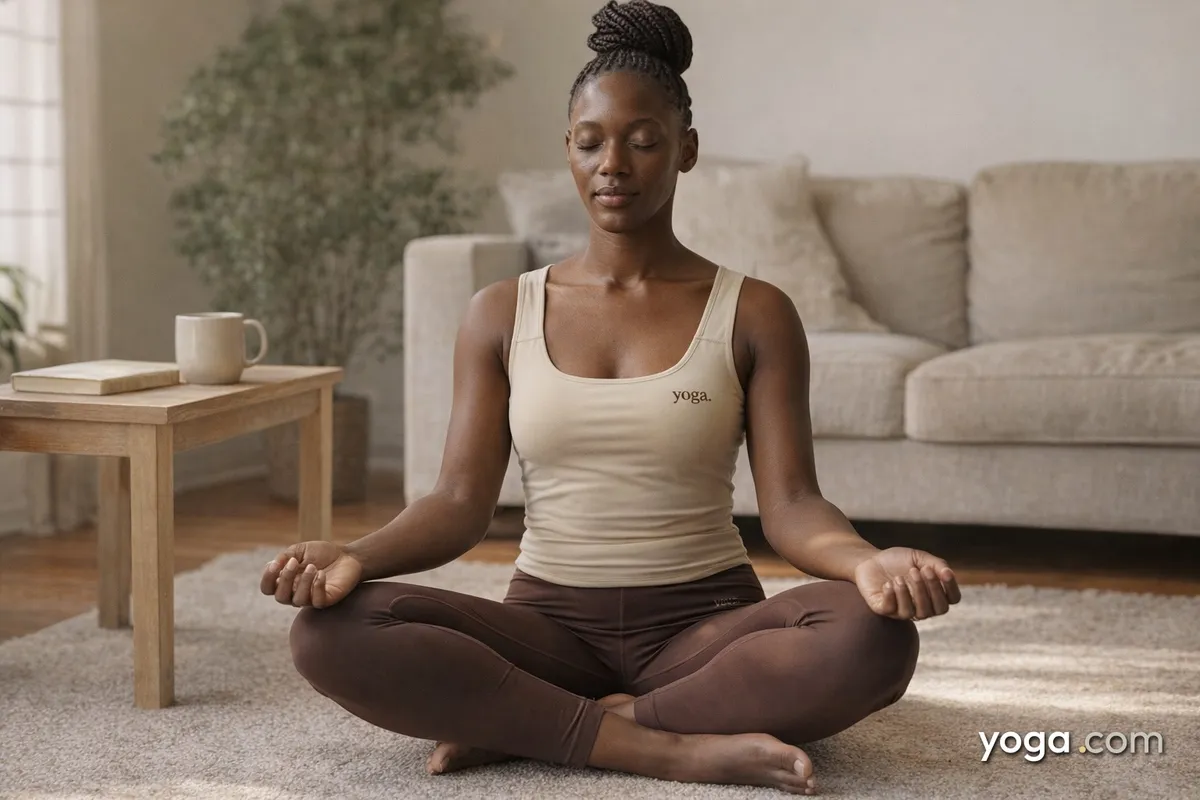
Someone downloads a meditation app, does one session on the kitchen floor, then decides they need a proper cushion, a silent house, and a clearer head before trying again - and never does. That detour is optional. Meditation asks for none of it, and this guide sticks to what you actually need to begin today, without the overwhelm.
You're Not Behind - More People Are Starting Just Like You
Meditation has quietly moved from the fringes into everyday life. The percentage of U.S. adults who practiced meditation more than doubled between 2002 and 2022, rising from 7.5 to 17.3 percent, according to the National Health Interview Survey. That's millions of people - most of them ordinary, busy humans, not monks.
And their reasons? Mostly simple ones. Stress relief. Better sleep. Feeling more present. You don't need a spiritual goal to start. Wanting to feel calmer is reason enough.
What the Research Actually Says About Benefits
The evidence for meditation is real and it is growing, so you should know what well-designed studies have actually found. Keep in mind that these are not small or one-off findings. Here is a snapshot of what the research shows:
- Anxiety and depression: A 2018 analysis of more than 12,000 participants found that mindfulness-based approaches worked as well as evidence-based therapies like cognitive behavioral therapy for people with diagnosed psychiatric disorders. Mindfulness held up against therapies that are already well respected.
- Sleep: A 2019 analysis of 18 studies found that mindfulness meditation improved sleep quality more than education-based treatments. So if your sleep is a problem, this finding is directly relevant to you.
- Chronic pain: A 2017 analysis of 30 studies found mindfulness meditation more effective at decreasing chronic pain than several other forms of treatment. On top of that, chronic pain is notoriously hard to treat, and so this result is worth paying attention to.
- Blood pressure: A 2020 review found that for people with conditions like hypertension or diabetes, mindfulness-based stress reduction was associated with a significant reduction in blood pressure.
These are not miracle claims and they are not based on just a handful of people. These are modest, consistent findings that show up across thousands of participants, and that consistency is exactly what makes the research believable. The research is good enough that your ten minutes of daily meditation is genuinely worth it.
How Long Do You Actually Need to Sit?
The research gives a clear answer for beginners: not very long at all. A 2019 study found that people with no meditation experience began to reap benefits after just 13 minutes of daily practice - and those who kept it up for eight weeks experienced enhanced memory, less anxiety, and improved focus.
Even shorter counts. A 2021 study found that 12 minutes of yoga-based meditation per week could help decrease burnout. So if five minutes in the morning is what you've got, that's a real starting point - not a consolation prize.
Consistency beats duration, every time
A five-minute practice you do daily will serve you far better than a 45-minute session you do once and abandon. Pick a time that already exists in your routine - right before your morning coffee, or the few minutes before you turn off the light at night - and anchor your practice there. Short and regular is the whole strategy.
You Don't Need a Special Place or Position
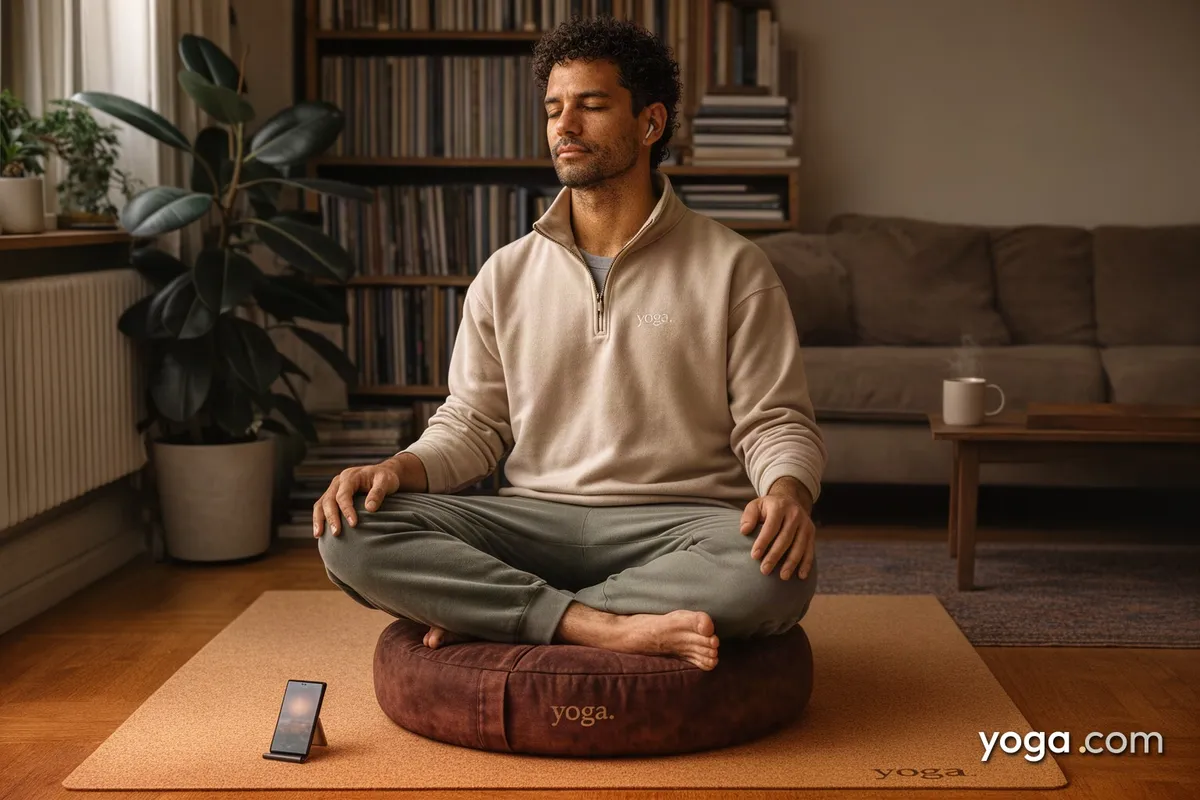
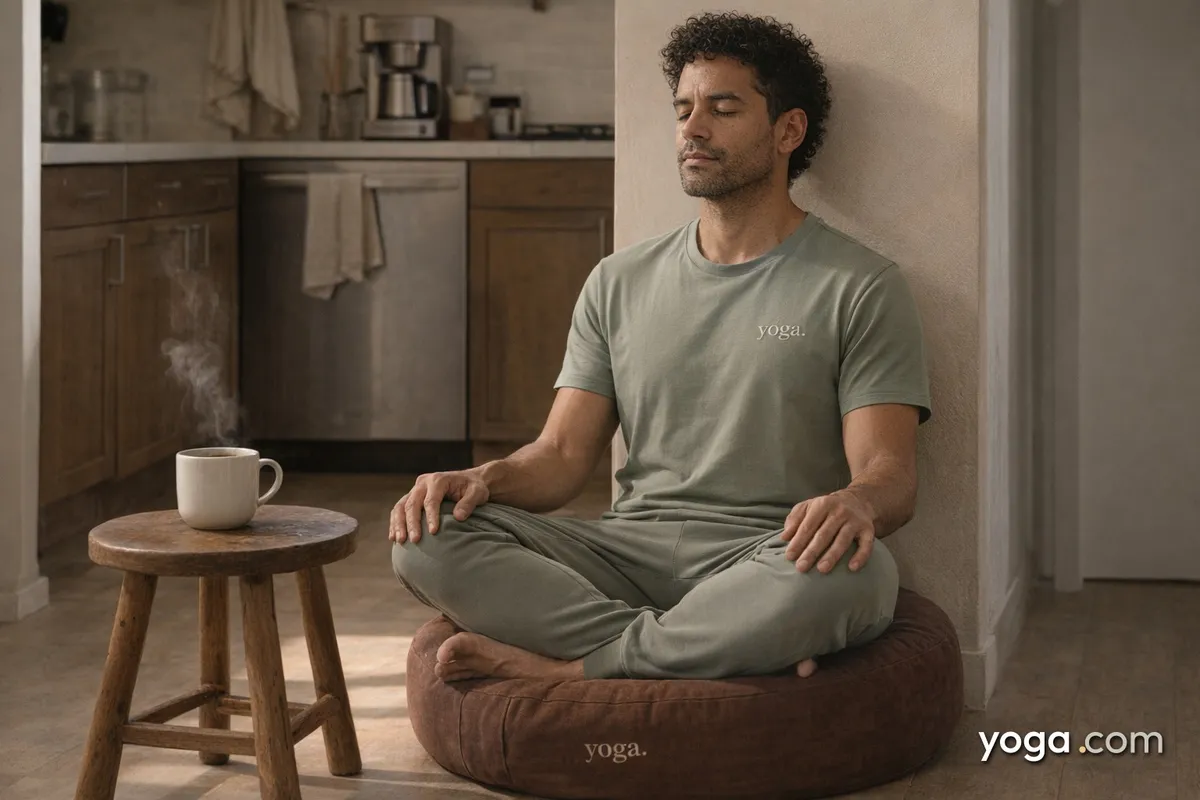
The image of someone sitting cross-legged on a silk cushion in a pristine white room is beautiful. It's also completely optional. You can meditate sitting in a kitchen chair, lying on your bed, or even walking slowly around your backyard.
What matters is that your body is comfortable enough that it won't distract you - and that you've given your attention somewhere to rest. That's it. The location is just a backdrop.
A Simple Way to Actually Begin
If you have never meditated before, start here. You do not need any special equipment or experience to try this right now.
- Sit or lie comfortably. Close your eyes if that feels natural to you.
- Take three slow breaths. Feel your belly rise and fall with each breath you take.
- Let your breathing return to normal and simply notice your breathing - the air coming in, the air going out.
- When your mind wanders (and your mind will wander, many times), gently bring your attention back to the breath. No frustration is needed. That wandering is not failure - that wandering is the practice.
- Start with one to five minutes. Set a gentle timer so you are not clock-watching and so your attention can stay on the breath.
That noticing-and-returning is the core skill you are building, and it is the most important thing you can take away from any session. Keep in mind that a session full of wandering thoughts that you keep gently redirecting is not a bad session at all. On top of that, a session like that is exactly what meditation looks like for beginners and experienced practitioners alike, so you should not feel discouraged when it happens to you.
Common Things That Trip Beginners Up
"I can't clear my mind."
You're not supposed to. The goal isn't a blank mind - it's a noticed mind. Every time you catch yourself thinking about your grocery list and come back to your breath, you've done the thing.
"I don't have a quiet space."
Background noise is fine. You can even use it as an anchor - noticing sounds without chasing them. Silence is lovely but not required.
"I fall asleep."
Try sitting up rather than lying down, or meditate earlier in the day. Drowsiness just means your nervous system is finally relaxing - which is, in a way, a success.
A Note on Safety - Please Read This
Meditation is safe for most people, but it's worth going in with honest expectations. A 2020 review of 83 studies found that about 8 percent of participants experienced a negative effect from meditation practice. For some people, sitting quietly with their thoughts can surface uncomfortable or distressing feelings.
If you have a history of trauma, anxiety, depression, or any mental health condition, please speak with a doctor or mental health professional before beginning a regular practice. A guided program or a trauma-informed teacher can make the experience much safer and more supportive. This article is a starting point - not medical advice.
One Last Thing
Starting a meditation practice does not require a perfect setup, a cleared schedule, or a serene mind. Starting a meditation practice requires only a few minutes, a willingness to keep coming back, and the understanding that wandering thoughts are part of the deal and not a sign you are doing it wrong. Keep in mind that your thoughts will wander and this is normal and expected, so you should not let it discourage you from continuing. Research shows that even brief, consistent practice can shift your stress response at a biological level and this means that real benefits are available to you starting today. On top of that, you do not need to practice for long periods of time because small and steady practice is enough to make a real difference. Small, steady, and simple. That is the whole plan for your meditation practice.