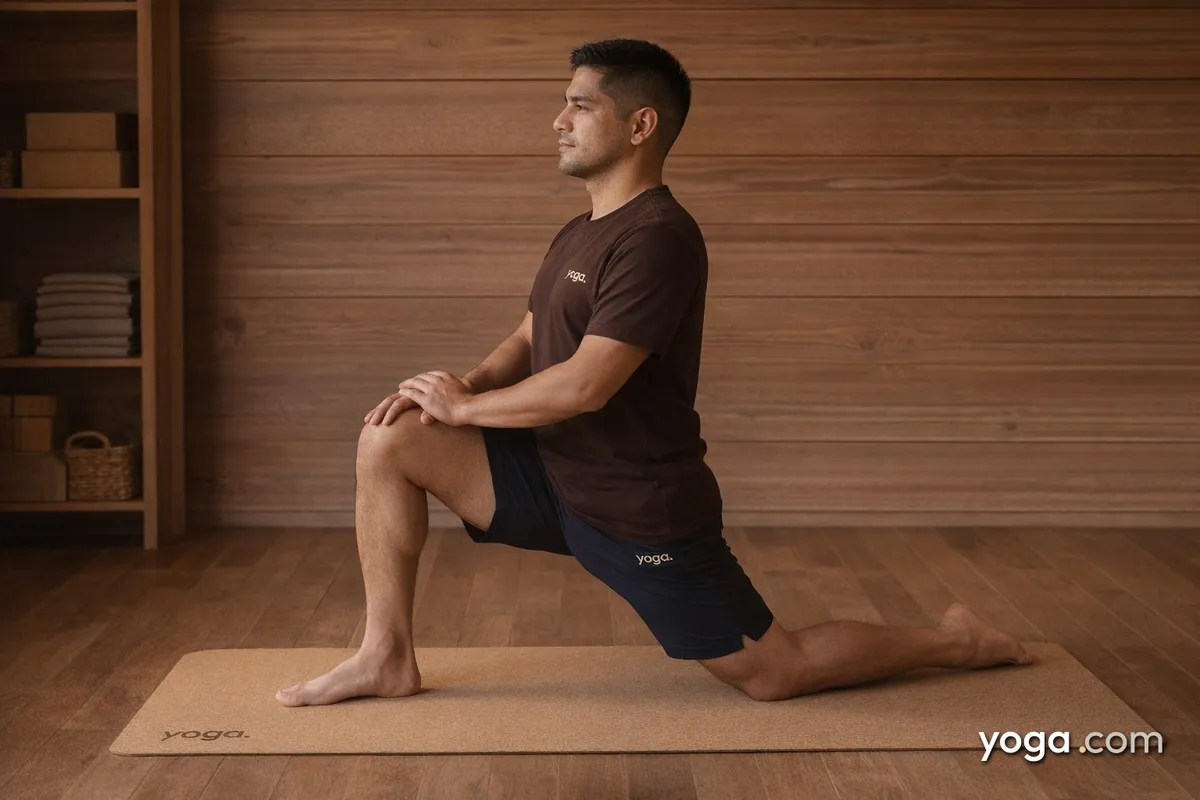

You're halfway through a workout and something doesn't feel quite right. Is it the good kind of hard, or a real warning? Learning to read your body during exercise is one of the most practical skills you can build - and it's what separates consistent, injury-free movement from the kind that sidelines you for weeks.
Not All Discomfort Is Created Equal
Your body talks to you constantly when you move. The job isn't to silence that conversation - it's to understand what's being said.
Two broad categories of sensation come up again and again:
- Expected discomfort: the burn of working muscles, mild breathlessness, general fatigue that eases with rest.
- Warning signals: sharp or pinpoint pain, joint pain, dizziness, chest tightness, or anything that feels sudden and wrong.
The location, quality, and timing of a sensation are your best clues. A broad, dull ache across a muscle group is very different from a stabbing sensation inside your knee. One you can move through. The other is telling you to stop.
What Muscle Soreness Actually Means
Delayed onset muscle soreness - DOMS - is the achiness that shows up 24 to 48 hours after unfamiliar or demanding exercise. DOMS is normal, especially after movements that involve lengthening the muscle under load (think: the lowering phase of a squat, or downhill walking).
But DOMS is more than just tenderness. DOMS can temporarily reduce your range of motion and change the way your muscles fire in sequence, and this puts extra, unaccustomed stress on your ligaments and tendons so your body is working in ways it is not used to. Going back to a hard session while you are still deep in soreness is not just uncomfortable. Keep in mind that soreness shifts your movement patterns in ways that raise your injury risk, and that is an important reason to take the soreness seriously.
The soreness-as-scoreboard myth
More soreness does not equal a better workout. A session can be highly effective with very little soreness at all. Soreness simply reflects unfamiliar or eccentric load, and soreness is not a measure of quality.
Gentle movement on sore days can ease your discomfort, but gentle movement does not speed up the underlying muscle repair. Think of it as helpful, not curative. On top of that, after a genuinely hard session, pulling back on intensity for a day or two is smart recovery for your body and not lost progress, so you should not feel like you are falling behind.
What Fatigue Is Really Telling You
Feeling tired mid-workout is expected. Feeling unusual fatigue - worse than normal for the same effort, or fatigue that doesn't resolve with a good night's sleep - is a different signal entirely.
Pushing hard week after week without adequate recovery can tip into overreaching, which is an accumulation of training load that leads to performance decrements requiring days to weeks of recovery. Go further, and you risk overtraining syndrome, which research suggests may involve systemic inflammation and effects on the central nervous system - including depressed mood, central fatigue, and neurohormonal changes.
Persistent fatigue that lasts for weeks and doesn't connect to your exercise load is worth bringing to a doctor. It's not something to train through.
Your Body's Sense of Position (and Why It Matters)
Proprioception is your body's ability to sense where your limbs are in space - and it's working quietly in the background of every move you make. It's what keeps you balanced in Tree Pose (Vrksasana) and what catches you when you stumble.
When you're fatigued, this sense becomes less accurate. That's precisely when missteps happen. If you notice wobbling, a sudden loss of coordination, or an unusual heaviness in a limb, those aren't things to push past. They're your body's way of saying: slow down, or stop.
A note for older practitioners
Proprioceptive sensitivity can change with age. If you're an older adult, give yourself more time to feel into each position - and trust the signal to slow down or pause. That's not weakness; it's smart, informed movement.
Signals That Always Mean Stop
Some sensations are non-negotiable stop signs, and you should never try to push past these sensations. Do not breathe through these signals - end the session completely and seek medical attention if needed:
- Chest pain or pressure
- Significant shortness of breath that feels out of proportion to the effort
- Lightheadedness or dizziness
- Sharp, pinpoint pain inside a joint (knee, hip, shoulder)
- Sudden, acute pain anywhere - especially if it comes on fast
If you experience chest pain, true breathlessness, or fainting during exercise, you need to stop immediately and consult a medical professional because these signals exist for a very important reason and so ignoring these signals can put your health at serious risk. Keep in mind that no workout is worth overriding those signals. Your body is telling you something is wrong, and you should always listen to these kinds of warnings.
A Simple Framework for Reading Each Session
Before, during, and after you move, run a quick internal check. Taking a moment to check in with your body at each stage of your session is one of the most useful habits you can build for yourself.
- Before: How is your baseline energy today? Ask yourself this honestly before you begin, because unusual fatigue or illness is a real reason to modify your session, not push through it.
- During: Is the discomfort broad and muscular, or is the discomfort sharp and localized in one spot? Keep in mind that your coordination is also worth checking - notice whether your coordination is holding steady as you continue moving.
- After: Did the discomfort ease once you stopped? Soreness that fades with rest is normal and expected, and so you do not need to worry about that kind of soreness because it is a natural part of training. Pain that lingers or worsens after you stop is not normal, and pain that lingers or worsens is a signal your body is giving you that something needs attention.
How Much Movement Is Actually Recommended?
Having a baseline helps you calibrate effort. According to ACSM and CDC guidelines, all healthy adults aged 18-65 should aim for at least 30 minutes of moderate-intensity aerobic activity on five days per week, or at least 20 minutes of vigorous activity on three days per week - plus muscle-strengthening activities on at least two days per week.
These are starting points, not mandates that override what your body tells you on a given day. Consistency over time - at a level your body can actually sustain - matters far more than any single session.
Listen, Then Decide
Reading your body during exercise is not about second-guessing every sensation you feel. It is about developing a working relationship with the signals your body sends you, and learning which signals say "keep going" and which signals say "not today." That skill, built gradually over time, is what keeps you on the mat, or the trail, or the studio floor, for the long run. Keep in mind that this ability to listen to your own body is something you build little by little, and the more you practice it the more reliable your body reading becomes. On top of that, if a signal ever leaves you genuinely uncertain about what your body is telling you, the wisest move is always to check in with a qualified health professional.