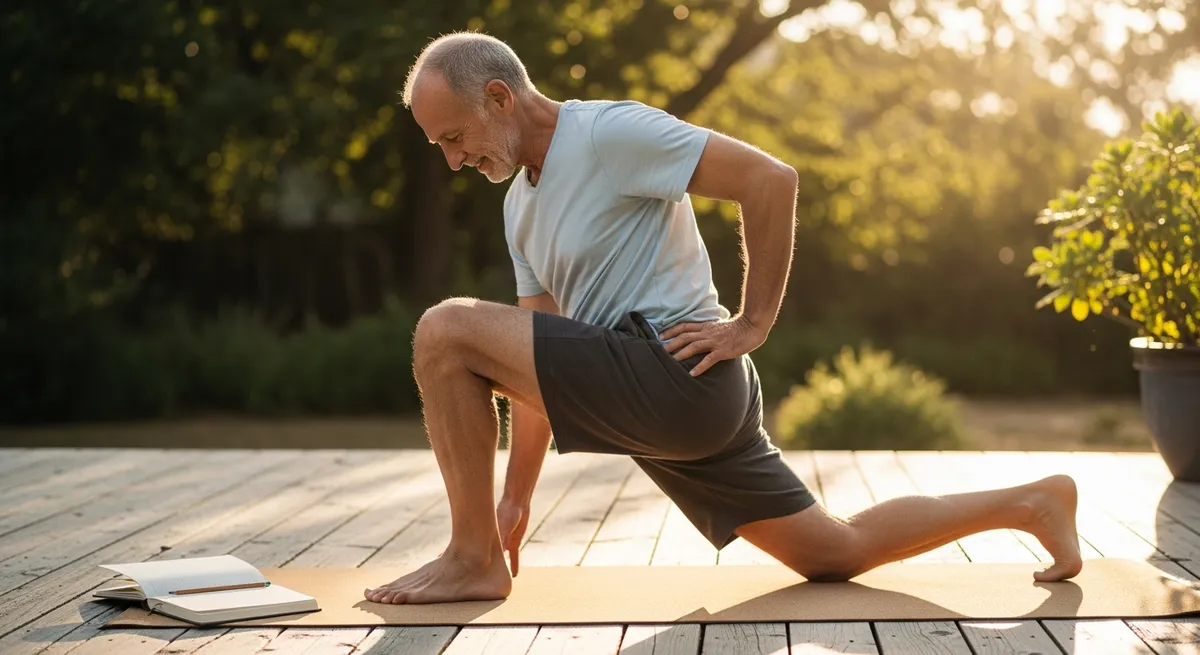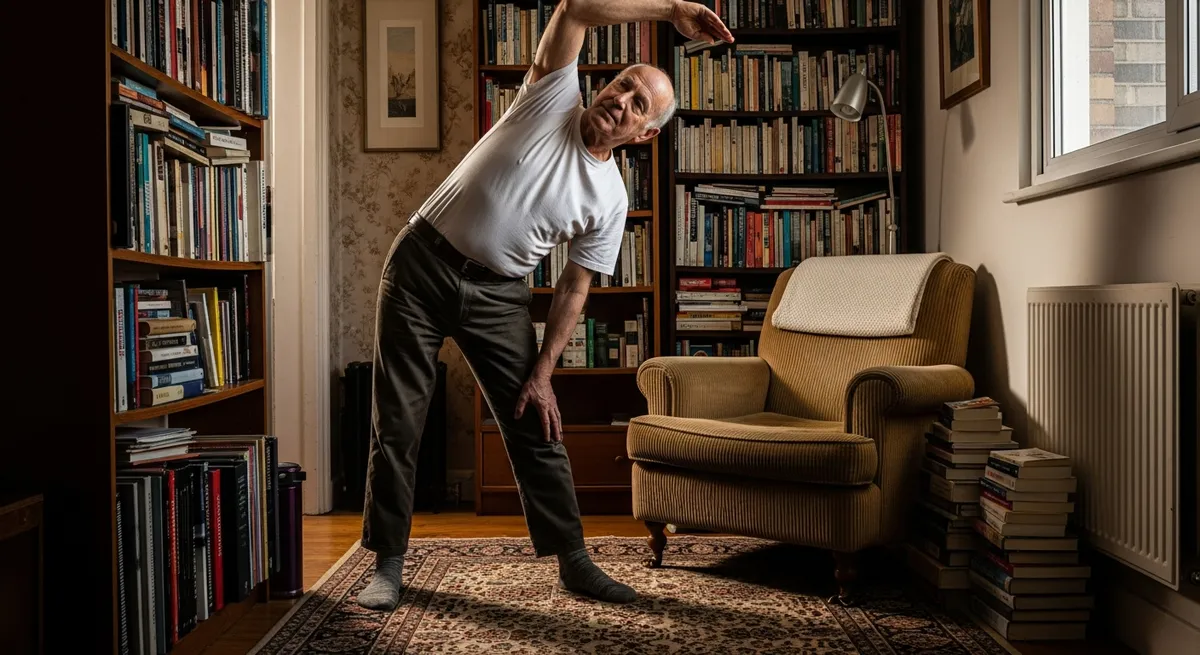
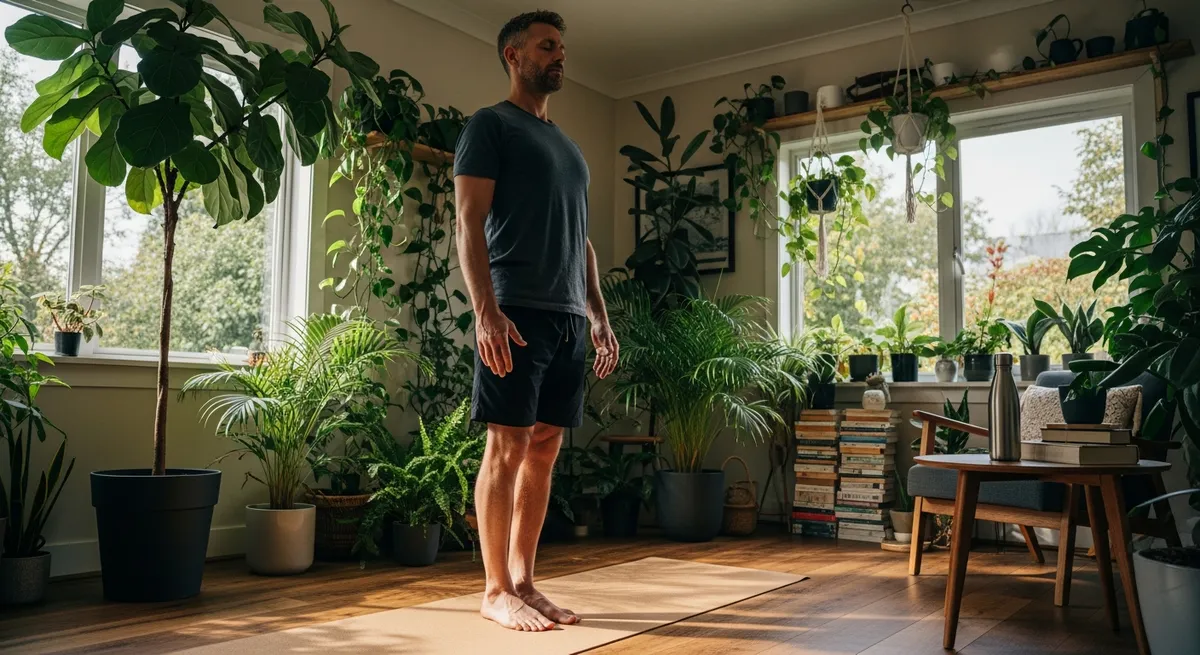
You've seen the studios, scrolled past the videos, maybe borrowed a friend's mat once. But yoga can feel like it belongs to a specific kind of person — flexible, serene, already initiated. It doesn't. Yoga is one of the most adaptable practices on earth, and this guide will show you exactly what it is, what it can do for you, and how to take your first steps with confidence.
What "Yoga" Actually Means
Yoga is a 3,000-year-old tradition rooted in India — and its name tells you everything. The word "yoga" comes from the Sanskrit root yuj, meaning union, or to yoke — to join and direct one's attention. That's the whole point: bringing your body, breath, and mind into the same moment.
Here's something that surprises most beginners: the physical poses are only a small slice of the tradition. Of the 196 sutras in the foundational Yoga Sutras, only three mention physical posture (asana). The rest cover conscious breathing, meditation, visualization, sound, lifestyle, and diet. The yoga you'll find in most studios today is a modern, movement-focused expression of a much richer system.
That system has a clear structure. The sage Patanjali outlined an eightfold path to awareness called ashtanga — literally "eight limbs" — which includes ethical guidelines, physical postures, breath control, and progressively deeper states of meditation. Most Western classes touch on just a few of those limbs. That's fine. It's still yoga, and it still works.
Which Style Is Right for You?
Walk into any yoga app or studio and you will face a menu of styles. Do not let it overwhelm you. The simple fact is that most beginners do not need to choose the perfect style right away. Here is a plain-language breakdown of the styles you will meet most often as a beginner.
Hatha
Hatha is slow, foundational, and pose-by-pose. Hatha classes hold each position long enough for you to actually feel what your body is doing and so you can begin to understand how your alignment works. Hatha is the gentlest entry point for most people and a great place to learn alignment before anything else.
Vinyasa
In Vinyasa, poses flow from one to the next, linked by breath. Vinyasa is more physically demanding and faster-paced than Hatha. Save this style for once you know the basic shapes, because jumping into Vinyasa as a complete beginner can feel disorienting and make it hard for you to focus on learning properly.
Yin
In Yin, poses are held for three to five minutes, targeting connective tissue rather than muscle. Yin is deeply calming, but staying still that long challenges beginners in a different way and so your mind may struggle just as much as your body. Keep in mind that Yin is worth trying after a few weeks of practice.
Restorative
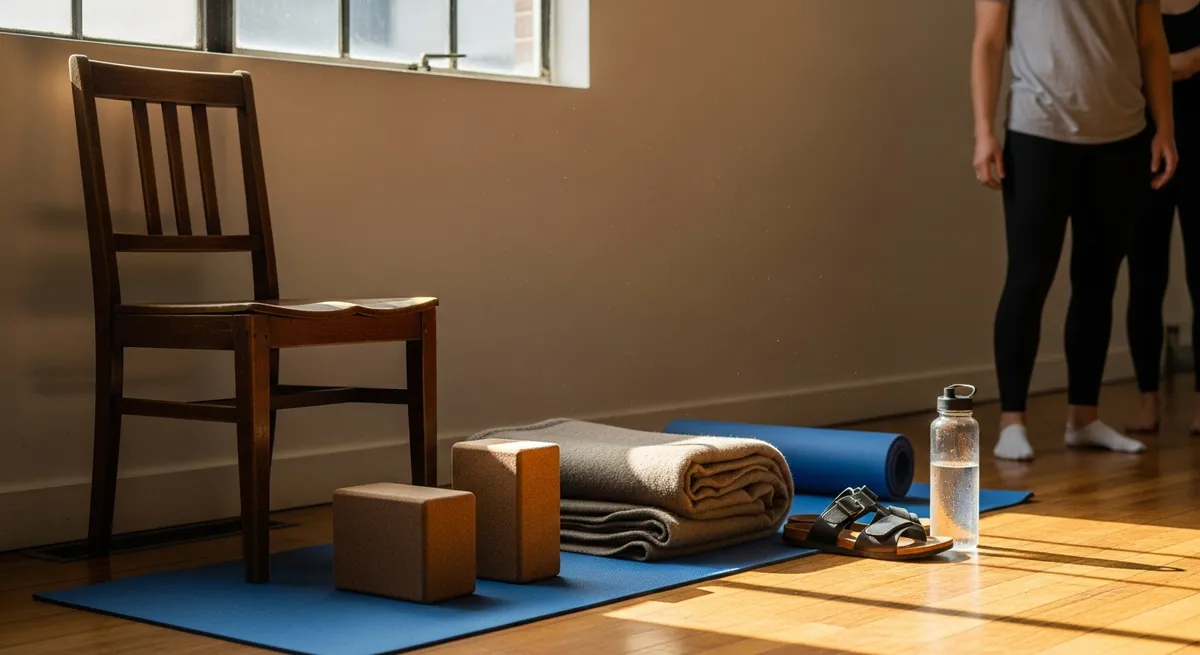
In Restorative yoga, props support your body completely so you can fully release. Think of Restorative as active rest. Restorative is ideal if you are stressed, recovering from illness, or simply exhausted.
The single best rule: choose a class labeled "beginner" or "gentle" first, regardless of your fitness level. On top of that, keep in mind that the breathing cues and movement patterns are new to your nervous system, and your body needs time to adapt.
What Yoga Can Do for Your Body
The physical benefits of yoga are well-documented and they are more specific than simply "getting flexible" and so you should know that the research actually points to real, measurable improvements in your body.
If you have an existing injury, joint condition, or chronic pain, you should talk to your doctor or physical therapist before starting yoga. Keep in mind that yoga is supportive and yoga is not a replacement for medical care, so always make sure your doctor knows you are starting a yoga practice.
What Yoga Can Do for Your Mind
This is where yoga often surprises people the most. The mental shift — that quiet clarity after class — is not just a placebo effect. It is one of the most consistently reported outcomes across the research, and that is worth paying attention to.
Stress, anxiety, and low mood are very widespread problems. The World Health Organization estimates that one in eight people worldwide live with a mental disorder. Yoga will not replace professional mental health support, but as a daily tool for regulation yoga is genuinely useful and many people find it makes a real difference to how they feel day to day.
The breath is the main mechanism here. When you slow and deepen your breathing during practice, you directly influence your nervous system and this helps shift your body from a stress response toward a calmer state, so the effect is quite direct. Keep in mind that you do not need to fully understand the neuroscience for yoga to work for you. The simple fact is that you just need to show up, breathe, and let the breathing do its job.
How Quickly Will You Actually See Results?
This is the question every beginner has, and the honest answer is that you will see results sooner than you might think — at least for some things. The simple fact is that your body responds to consistent yoga practice faster than most people expect.
Consistency matters far more than duration and this is something you really need to keep in mind because a lot of beginners think one long session per week is enough. Keep in mind that three 30-minute sessions a week will serve you much better than one 90-minute session on a Sunday. The simple reason is that your body needs regular and repeated practice to build the habit and so shorter sessions done more often will give you better results than one long session does.
A Simple Starter Sequence for Your First Week
You don't need a studio to begin. These five poses appear in almost every beginner class and together cover breath, mobility, and gentle strength.
Move slowly. Breathe through your nose. If a pose hurts (not just feels challenging — hurts), come out of it.
Honest Things to Know Before You Start
The Bottom Line
Yoga is older, wider, and more practical than most beginners expect. The simple fact is that yoga is a tradition built on the idea of union — body, breath, and mind moving together — and even a few minutes of that, practiced regularly, can genuinely shift how you feel. Keep in mind that you do not need to be flexible or experienced to start, because yoga meets you where you are and grows with you over time. Start gentle, be honest with your body, and find a teacher who sees you as an individual so that your practice can develop in a way that suits your own needs. On top of that, give it a few weeks before you judge the results, because real change takes a little time and consistency. The practice meets you where you are. That has always been the point of yoga, and it remains the point today.