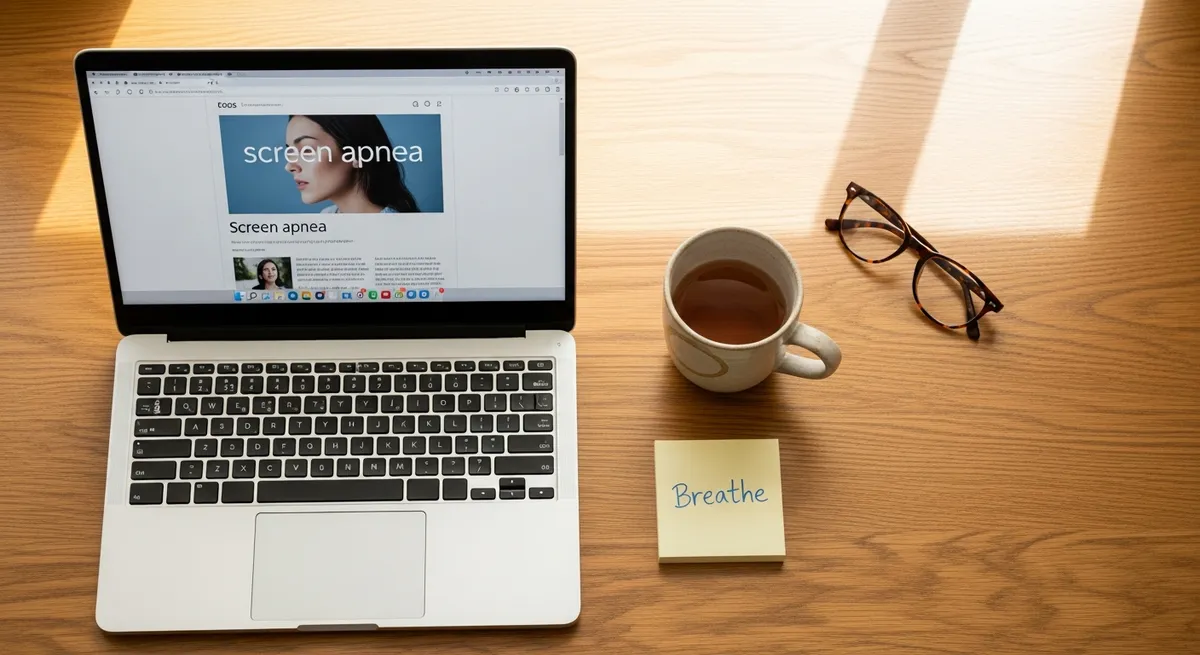
You're halfway through an email, shoulders creeping toward your ears, and suddenly you realize — you haven't taken a breath in what feels like forever. That moment of catching yourself holding your breath is more common than you might expect, and it's one of the most quietly useful things you can notice about yourself. Once you see the pattern, you can actually do something about it.
Why You Hold Your Breath Without Knowing It
Your body braces for effort even when that "effort" is just reading a tense message or waiting for a file to upload. The simple fact is that your breath pauses because your nervous system is treating concentration like a mild threat. Nothing dramatic is happening, but your body responds the same way it would to something physical and so your breathing gets interrupted without you ever noticing it.
This shows up during all kinds of ordinary moments:
Keep in mind that this habit is so quiet that most people never catch it. Your breath simply stops, your shoulders rise, and life continues on as normal. On top of that, because the pattern repeats itself so many times throughout the day, you may never notice it is happening at all — until you start actively looking for it.
What Your Body Is Telling You
Held or shallow breath leaves physical clues on your body and so learning to read those clues is the first step toward changing the pattern. The simple fact is that your body is always sending you these signals and you just need to know what to look for.
The physical signs to watch for
None of these signs are dramatic on their own and so they are very easy to brush past without thinking twice. Keep in mind that because each sign feels so minor on its own, your brain tends to ignore the sign completely. On top of that, these signals often appear together and so you may be experiencing more than one sign at the same time without realizing what your body is telling you.
How to Catch the Habit During Your Day
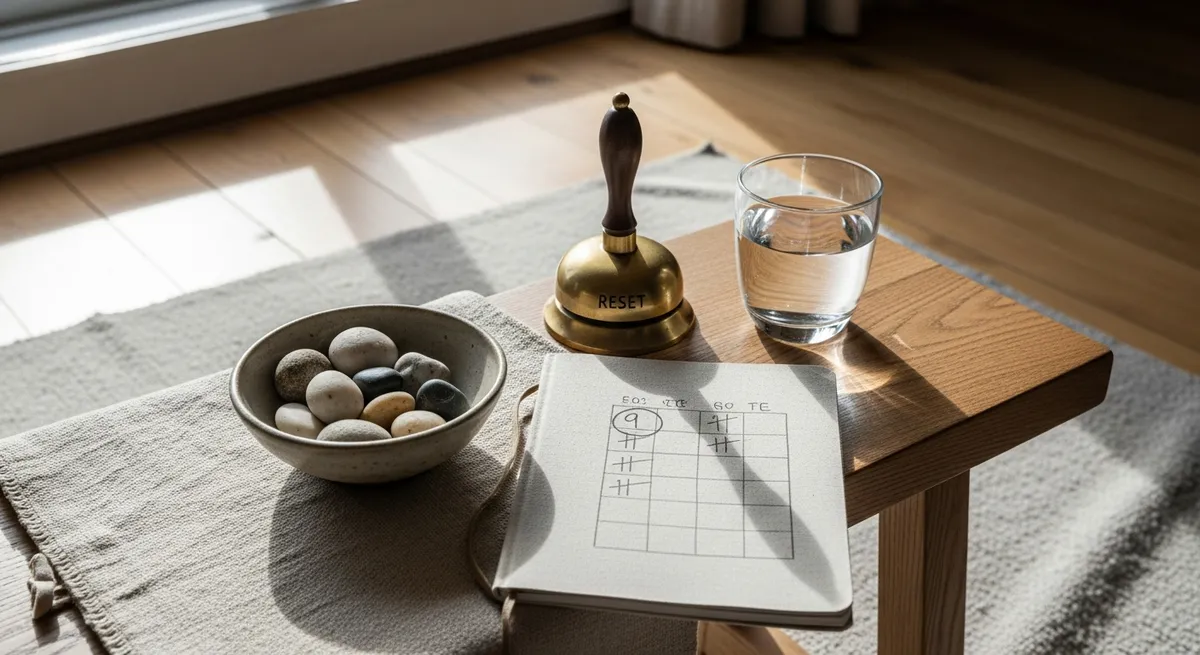
You do not need a yoga class or a meditation app to start doing this. You just need a few simple checkpoints built into what you are already doing, and the good news is that you probably already have natural pauses in your day where you can add these checks.
That is the whole starter practice. Noticing comes before fixing, and on top of that, noticing alone is genuinely useful even if you never do anything else. The simple act of noticing is already doing something real for your body.
What Slow Breathing Actually Does for You
Once you catch a held breath, the move is simple: slow down and breathe fully. Research backs up why this matters beyond just "feeling calmer." The simple fact is that slow, conscious breathing creates real, measurable changes in your body and your mind.
Slow breathing techniques — generally defined as fewer than 10 breaths per minute — are associated with real, measurable shifts in the body. Studies show slow breathing techniques promote increased Heart Rate Variability and Respiratory Sinus Arrhythmia, and both of these are markers of a well-regulated nervous system, so your body is genuinely moving into a calmer state. The subjective experience tracks too: slow breathing techniques produce increased comfort, relaxation, and alertness, and reduced anxiety, depression, and anger. Keep in mind that these are not just feelings — slow breathing techniques are producing actual shifts you can measure.
The nasal pathway matters, too. Nasal inhalation results in greater nitric oxide delivery, which positively affects vasodilation, oxygen uptake, inflammation, and autonomic regulation. In plain terms: breathing in through your nose rather than gulping air through your mouth gives your body more of what your body actually needs. On top of that, nasal breathing is something you can start doing right now without any special training or equipment.
Slow, nasal, diaphragmatic breathing has also been shown to significantly improve vagal tone, parasympathetic activity, and emotional control, while reducing cortisol, anxiety, and stress. The simple fact is that when you breathe slowly through your nose and let your diaphragm do the work, you are giving your nervous system a very clear and direct signal to calm down.
A Simple Breathing Reset You Can Try Right Now
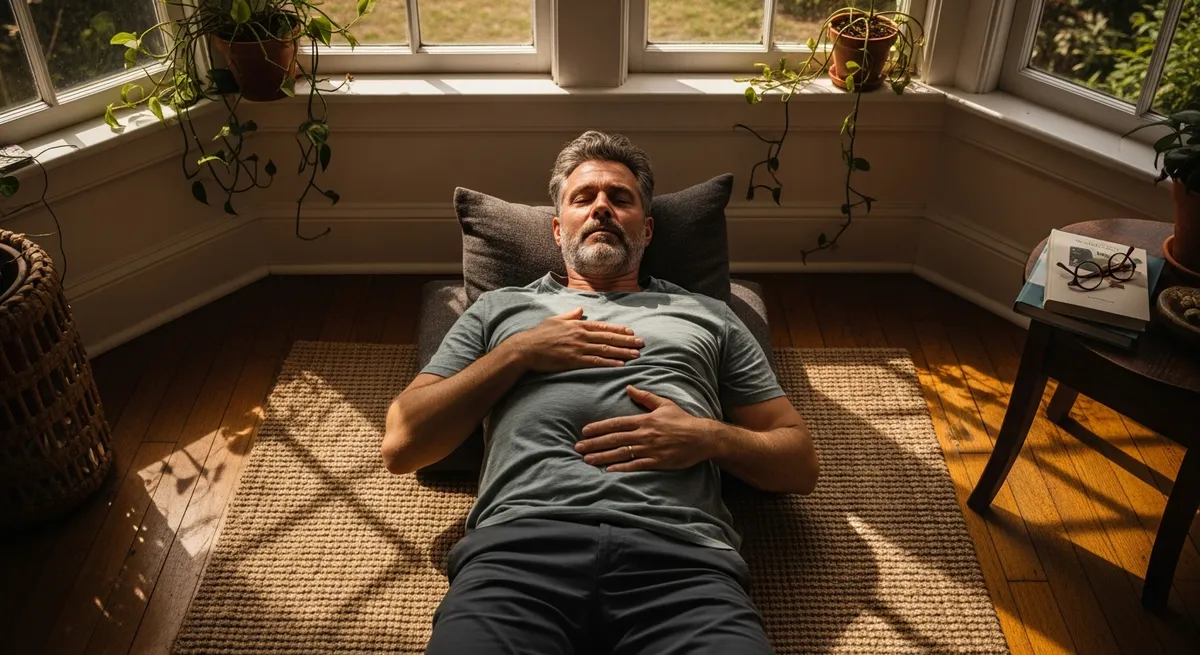
This approach is grounded in what researchers call diaphragmatic breathing — breathing from the belly, not just the top of the chest. The simple fact is that belly breathing is the foundation of the whole method. Here is a version you can use anywhere.
This rhythm — described in research as the A52 Breath Method, involving a 5-second nasal inhalation, 5-second exhalation, and a 2-second post-exhalation hold — lands at roughly six breaths per minute or fewer, the threshold associated with the strongest relaxation benefits. Keep in mind that this rhythm is what makes the technique work and so you want to follow the counts carefully because even small changes in pace can reduce the benefit. On top of that, the whole practice takes about two minutes and requires nothing but your own attention, so there is really no barrier to trying it right now.
In yoga, this quality of steady, full breathing is the foundation of pranayama (yogic breathwork) — and pranayama starts, always, with simply noticing that the breath has gone missing.
Where Yoga Comes In
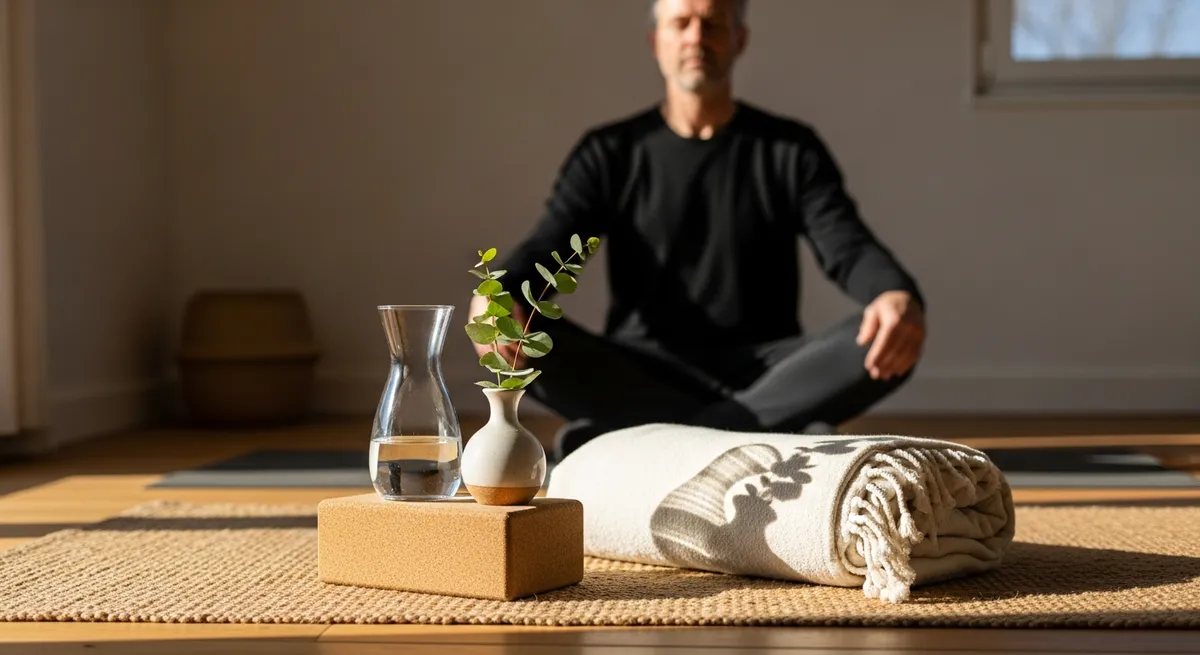
You do not have to be a seasoned practitioner to use yoga's breathing tools. The simple fact is that even a basic pose paired with breath awareness can interrupt a stress spiral in the middle of your day and so you do not need years of experience to get real benefit from these techniques.
Try Child's Pose (Balasana) — kneel, sit back on your heels, fold forward, and rest your forehead on the mat or a folded blanket. Place your hands alongside your body, palms up. In this shape, your belly presses gently against your thighs on every inhale, and this pressure gives you built-in feedback that you are actually breathing into the right place. Keep in mind that this physical feedback is one of the reasons Child's Pose is so useful for breath awareness.
Or try Legs-Up-the-Wall Pose (Viparita Karani) — lie on your back, swing your legs up a wall, and let gravity do the work. On top of that, five slow breaths in this position can reset a held-breath afternoon in ways that a cup of coffee simply cannot, and so the pose is worth trying even when you only have a few minutes to spare.
When Breathing Patterns Deserve a Professional's Eye
Occasional breath holding during concentration is normal. Keep in mind that if you notice persistent breathlessness, frequent chest tightness, or difficulty taking a full breath at rest, those symptoms deserve a conversation with your doctor and not a breathing exercise, because pranayama is a complement to medical care and not a substitute for it. The simple fact is that pranayama cannot replace the advice your doctor gives you. If your breathing problems keep coming back, you should speak to a medical professional about those breathing problems before you try any new breathing practice.
The bottom line
Catching yourself holding your breath is a small act with a surprisingly large payoff. The moment you notice — shoulders high, chest tight, lungs quietly frozen — you have already done the hardest part. Keep in mind that from there, a slow nasal exhale costs you nothing and gives your nervous system exactly what your nervous system has been waiting for. The simple fact is that checking in once an hour and breathing from your belly are small habits and they take very little effort so they are worth doing every single day. Let the sigh be the signal, not something to push past.
Your breath has been trying to tell you something. Today is a good day to start listening to what your breath is telling you.