You roll out your mat, but something feels off — you're not sure whether to push through a sweaty flow or surrender to something slow. That uncertainty is one of the most common reasons new practitioners lose momentum. The good news: yoga has a style for every energy level, and learning to match the two is one of the most useful skills you can build.
Why Your Energy Level Is the Best Guide You Have
Not all yoga is gentle, and not all yoga is intense. The spectrum runs from deeply passive restorative sessions to demanding, sweat-heavy practices that challenge your strength and stamina.
The key is honest self-check-in — not how you think you should feel, but how you actually feel right now. Different styles emphasize different elements: vigorous movement, breath regulation, or meditative attention. Choosing with your real energy in mind means you'll leave the mat feeling better, not depleted.
And the benefits can show up faster than you'd expect. Research suggests that positive effects of yoga practice can occur after performing poses for only 2 minutes — so even a short, well-matched session is worth it.
Low Energy Days: Slow Down and Let the Mat Hold You
When you're running on empty, a restorative or yin practice will serve you far better than forcing yourself through a vigorous class. These styles do real work — just quietly.
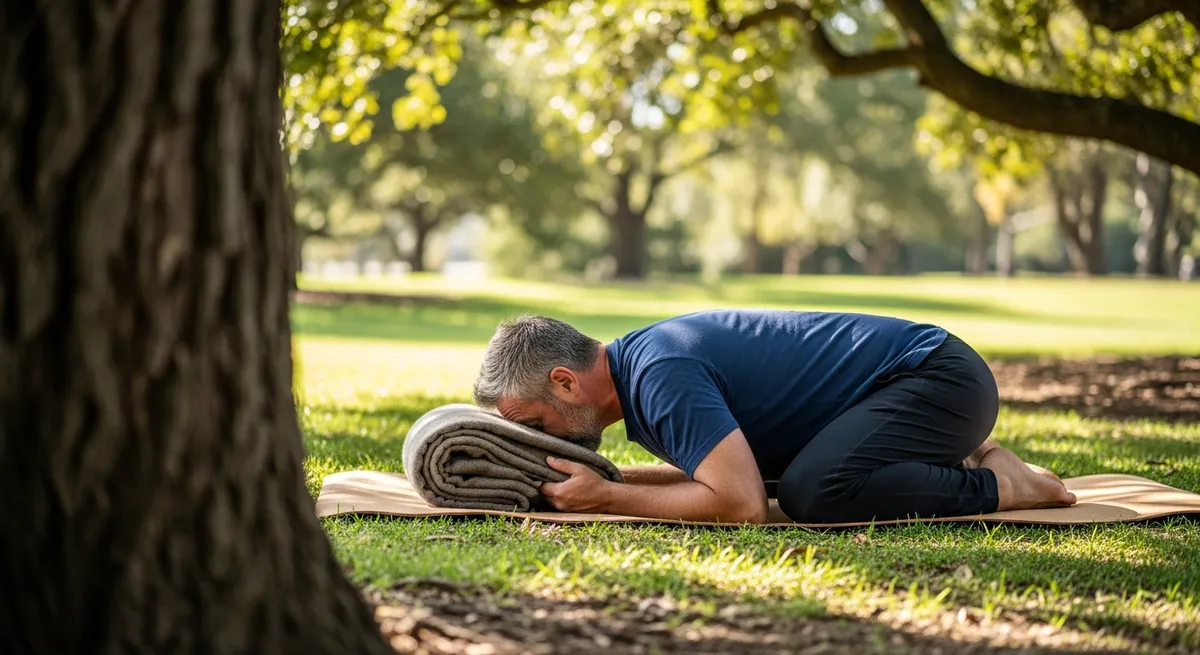
Restorative Yoga
This is the most passive option. Props — bolsters, blankets, blocks — fully support your body so your muscles can release completely. A single pose might be held for five to ten minutes. Think of it as active recovery for your nervous system.
Yin Yoga
Poses are held for three to five minutes, targeting connective tissue (fascia and joint capsules) rather than muscle. One important note: if you're naturally very flexible or have hypermobile joints, don't sink to your absolute end range. Aim for about 70% of your available stretch — enough sensation without stressing unsupported joints.
Hatha Yoga
A classic, widely available style that moves at a measured pace and introduces foundational poses like Mountain Pose (Tadasana) and Child's Pose (Balasana). Classes vary by teacher, so check the description before you book — some Hatha classes are more vigorous than others.
Low-energy day checklist:
Medium Energy Days: Flow Without Overdoing It
Most days land somewhere in the middle — not exhausted, not buzzing. These are perfect days for styles that offer a balance of movement, breath awareness, and mental engagement. The simple fact is that medium energy days are the most common days you will have, and so it is worth knowing exactly which yoga styles work best for them.
Vinyasa Yoga
Movement is linked to breath, flowing from one pose to the next in a connected sequence. The pace is moderate, and good teachers offer options for every level. The breath is the anchor here — if your breath goes choppy or disappears, ease back. A ragged breath is a signal to simplify, not push harder, and so you should always treat your breath as your most honest guide during Vinyasa practice.
One common alignment issue in Vinyasa is collapsing the lower back in Plank Pose (Phalakasana). Draw your navel lightly in and up whenever you are in a horizontal position and this small adjustment will protect your spine throughout the flow because a supported spine allows you to keep moving safely without building up strain.
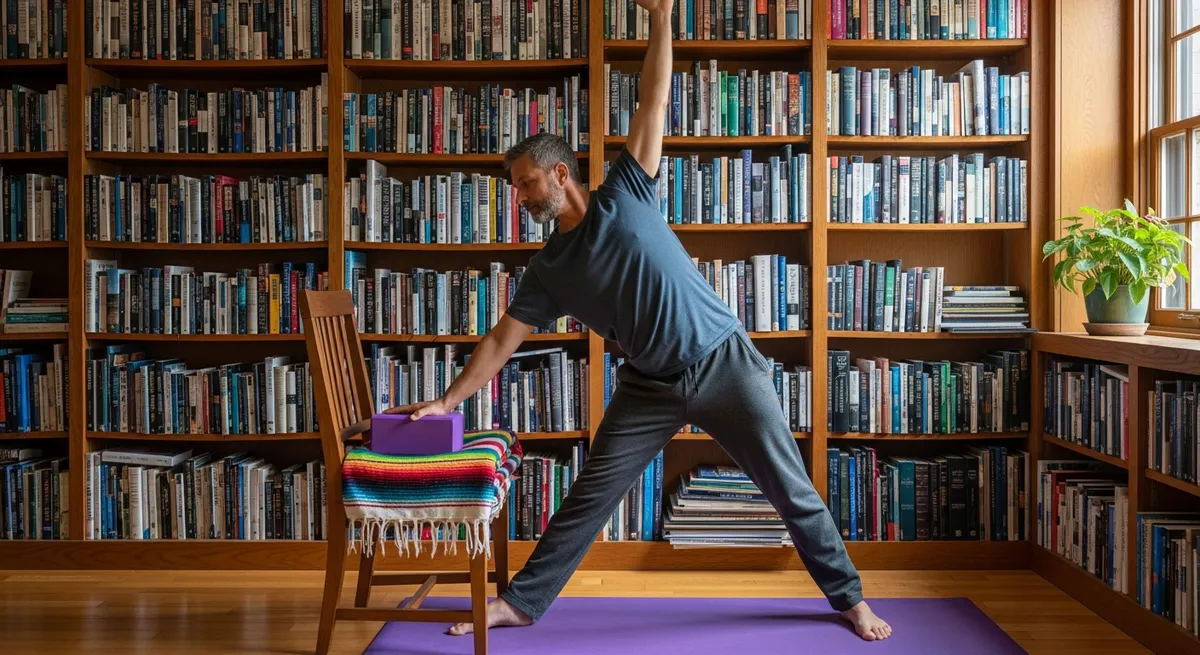
Iyengar Yoga
This style slows things down to focus on precise alignment, using props like blocks and straps to help you find each pose correctly. Iyengar yoga demands real mental focus, which makes Iyengar yoga ideal when you have moderate energy to give. Keep in mind that Iyengar yoga is also a smart choice if you are working around minor stiffness or an old injury, since the emphasis on working within your limits is built right into the practice and so you do not have to guess where your boundaries are.
Medium-energy day checklist:
High Energy Days: Challenge Yourself With Intention
When you wake up feeling strong and ready, a more demanding practice can be deeply satisfying. The simple fact is that high energy is a good thing, and you should use that energy — just stay smart about how you use it.
Ashtanga Yoga
Ashtanga is a structured, fast-moving style that follows a fixed sequence of poses in the same order every time you practice it. Ashtanga builds heat quickly and requires real strength and stamina, so it is not a casual style. If you are new to Ashtanga, a led class with a qualified teacher is the right entry point for you.
Power Yoga
Power Yoga is loosely inspired by Ashtanga, but Power Yoga trades the fixed sequence for a more varied flow. You can expect strength work, sweat, and a genuine cardiovascular challenge. Keep in mind that classes differ widely by studio and teacher, so read the description before you sign up.
Hot Yoga and Bikram Yoga
Practiced in a heated room, these styles intensify every pose you do. The heat creates a feeling of greater flexibility — and that feeling of flexibility is also the main risk for you. Do not use the warmth as permission to go deeper than you normally would, because that is how hamstring and hip injuries happen and so you should use the same range you would use at room temperature. On top of that, drink plenty of water before you arrive.
Important: Hot yoga isn't appropriate for everyone. If you have a heart condition, heat sensitivity, or are pregnant, consult your healthcare provider before trying a heated class.
High-energy day checklist:
What the Research Actually Says
The science on yoga and the body continues to grow. A few findings worth knowing:
One Mistake to Stop Making Right Now
Forcing a vigorous class when you're exhausted doesn't reliably generate energy — it more often deepens fatigue. Restorative and yin practices aren't doing nothing. Passive, supported holds activate the parasympathetic nervous system, the branch responsible for rest and recovery. That is real, physiological work.
Gentle does not mean easy. Staying still and present in a long Yin hold can be harder than moving through a flow. Give every style the respect it deserves.
Your Simple Energy-to-Style Map
The Bottom Line
There's no wrong answer — only a mismatch between what you bring to the mat and what you ask of yourself. Check in honestly before each session, pick the style that fits where you actually are, and trust that showing up consistently — at whatever pace — is always the right move. Your practice will grow with you.