If everything in your gut has slowed to a stop, the discomfort follows you through the whole day - distracting, draining, and extremely common. The good news: rolling out your mat might be one of the simplest, most accessible things you can do to get your digestion back on track. Here's what the research actually says - and exactly which poses to try.
Can Yoga Really Help With Constipation?
The short answer is yes - and there's a growing body of evidence behind it. A 2024 systematic review published in Neurogastroenterology & Motility screened over 1,200 articles on yoga for gastrointestinal disorders and found that most eligible studies demonstrated yoga improved IBS symptom severity, mood, and quality of life compared with controls. Importantly, yoga was generally considered safe, with no serious adverse events attributed to the intervention.
One key mechanism? The vagus nerve. Research suggests that certain yoga poses and breathwork (pranayama) activate the vagus nerve, which helps the brain and gut communicate and can help prevent the inflammation that causes digestive issues. Think of it as yoga literally talking to your gut.
And movement matters in a bigger picture way, too. A 2024 systematic review of 13 cohort studies involving over 119,000 participants found that higher levels of physical activity were associated with a meaningfully decreased risk of constipation compared to lower levels. Gentle yoga counts.
How Yoga Eases IBS and Constipation Symptoms
Constipation and IBS often overlap. A 2015 study found that yoga can ease symptoms of irritable bowel syndrome, which frequently includes bouts of constipation. And the effects seem to go beyond simple movement.
A 2018 study showed that stimulating the vagus nerve activates anti-inflammatory properties that can restore equilibrium in the microbiota-gut-brain axis - the complex communication highway between your gut microbiome, your gut itself, and your brain. Yoga, particularly slow breathwork and twisting poses, is one way to gently stimulate that system. Based on this research, vagal tone may be associated with gut inflammation and digestive function, though more study is needed to fully understand that relationship.
A systematic review of 10 studies found a moderate-to-large effect of yoga on IBS symptom improvement compared to controls, alongside benefits for stress, anxiety, and overall quality of life. Stress and digestion are deeply linked - so calming your nervous system has a real ripple effect on your gut.
6 Gentle Yoga Poses That Support Digestion
These poses are beginner-friendly, low-impact, and specifically chosen to compress, twist, or open the abdominal region in ways that can encourage motility. Move slowly, breathe deeply, and never force anything uncomfortable.
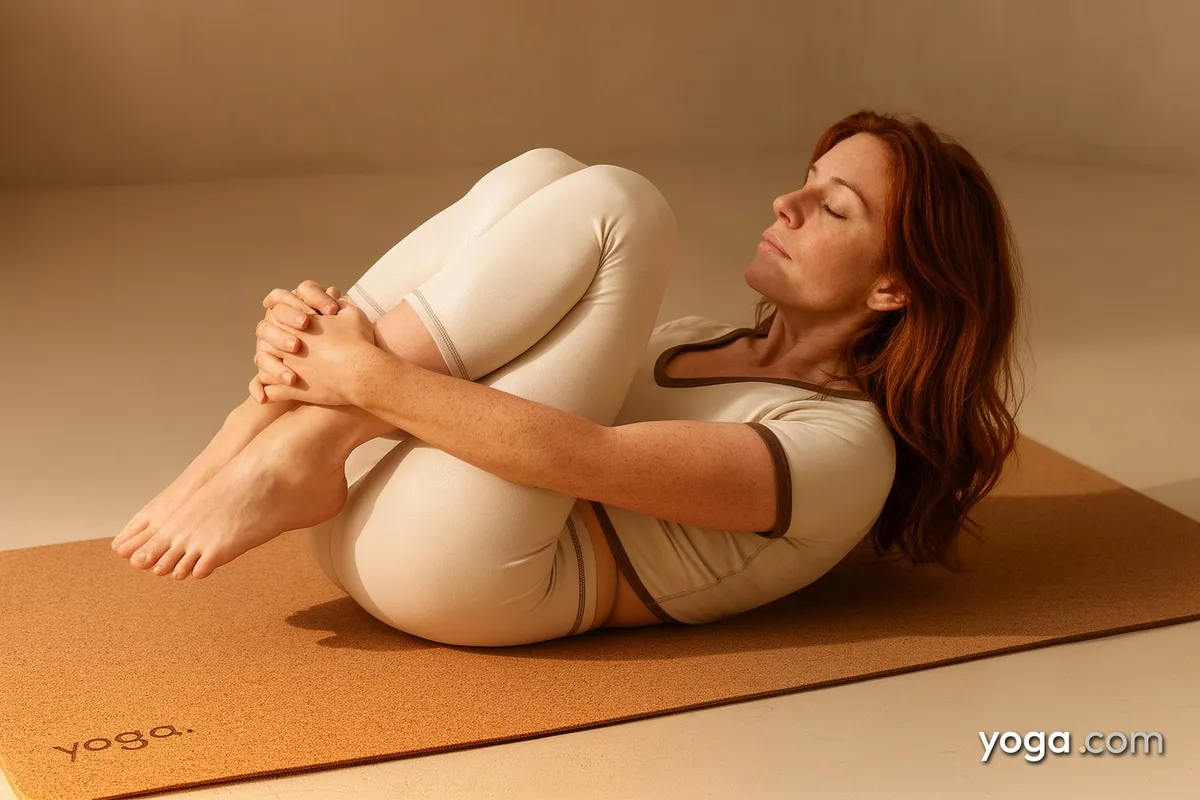
1. Wind-Relieving Pose (Pawanmuktasana)
Lie on your back and draw one or both knees into your chest. Hold for 5-10 breaths. This direct compression of the ascending and descending colon makes it a classic for a reason. Switch sides to work both.
2. Seated Spinal Twist (Ardha Matsyendrasana)
Sit tall, cross one leg over the other, and twist toward your bent knee. Twists wring out the abdominal organs, stimulating the intestines and encouraging things to move along. Hold for 5 breaths each side.
3. Child's Pose (Balasana)
From kneeling, fold forward and rest your forehead on the mat. Arms can extend forward or rest alongside your body. This gentle compression of the belly, combined with deep belly breathing, helps massage the digestive organs from the inside out.
4. Supine Twist (Supta Matsyendrasana)
Lie on your back, draw one knee to your chest, then guide it across your body while keeping both shoulders grounded. This reclined variation is ideal if standing twists feel like too much. Stay 5-8 breaths per side.
5. Garland Pose (Malasana)
A deep squat with feet slightly wider than hip-width, heels grounded (use a folded blanket under heels if needed), and hands pressed together at heart center. Research has found that a squatting position promotes the most efficient elimination with the least amount of strain - and Malasana is essentially a supported squat. Hold for 5-10 slow breaths.
6. Legs Up the Wall (Viparita Karani)
Sit sideways next to a wall, then swing your legs up as you lower your back to the floor. Stay 5-10 minutes. This restorative inversion calms the nervous system, reduces stress, and shifts blood flow - giving your digestive organs a gentle reset.
Tips for Getting the Most Out of Your Practice
- Breathe into your belly. Shallow chest breathing keeps you in a stress response. Deep diaphragmatic breaths massage your intestines from within.
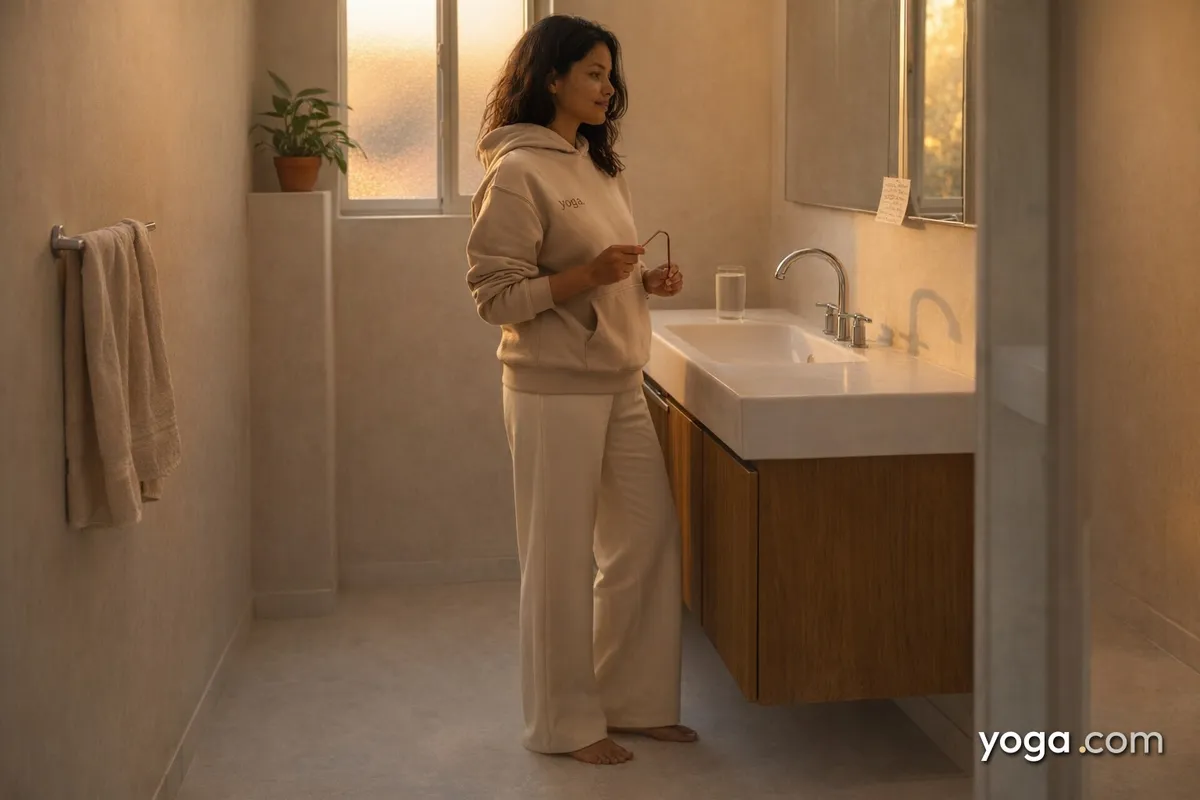
- Practice in the morning. Digestion tends to be most active after waking. A short morning sequence can support your body's natural rhythms.
- Stay consistent. One session helps, but studies show participants who practiced yoga regularly experienced sustained improvements in symptoms and quality of life. Even 15-20 minutes a few times a week adds up.
- Hydrate. Yoga supports digestion, but water is still essential for keeping things moving. Don't skip it.
- Go slow. Rushing through poses won't help. Linger, breathe, and let gravity and compression do their work.
A Note on Safety
Yoga is gentle, but it is not a substitute for medical care. If your constipation is chronic, severe, or accompanied by pain, blood, or unexplained weight loss, please see your doctor before starting any new movement practice. Keep in mind that these poses are supportive tools and not treatments, so you should not use these poses in place of professional medical advice.
If you are pregnant, have had recent abdominal surgery, or have a diagnosed GI condition like Crohn's disease or diverticulitis, check with your healthcare provider before practicing twists or deep compressions. On top of that, even if you feel fine, it is always a good idea to let your healthcare provider know you are adding new physical practices to your routine, because your healthcare provider understands your personal health situation better than any general guide can.
Before You Go
Gentle yoga poses that help relieve constipation aren't magic - but they're real, accessible, and backed by a meaningful body of research. Twists compress and stimulate your digestive organs. Squats leverage your body's natural elimination mechanics. Breathwork and restorative poses calm the nervous system that governs your gut. Roll out your mat, move slowly, and give your digestion the attention it deserves. Your gut will thank you.
Sources
- PubMed - Yoga for gastrointestinal disorders: 2024 systematic review (Neurogastroenterol Motil)
- PMC - Yoga and IBS: systematic review and vagus nerve evidence
- PMC - Physical activity and constipation risk: 2024 systematic review
- Yoga Journal - 7 Yoga Poses for Constipation
- Yoga Journal - 8 Poses for Better Digestion