You wake up and your knees take longer to cooperate than they used to. You meant to exercise three times this week and managed once. And somewhere underneath all of it sits a quiet voice asking whether you're doing this aging thing wrong. You're not. But that voice deserves a real answer — and a gentler framework to replace it.
What "Aging Without Pressure" Actually Means
It does not mean giving up on your health. It does not mean ignoring real problems. What it means is stopping the habit of measuring yourself against a version of your body that no longer exists and replacing that measurement with honest, sustainable support. Keep in mind that this shift in thinking is the whole point.
The World Health Organization defines healthy aging not as the absence of disease, but as maintaining the functional ability that lets you do what you value and so this is a quieter, more human bar than most of us set for ourselves because most of us are measuring against something unrealistic. The simple fact is that your own functional ability is the right measure for your own life.
The goal is not to fix yourself. The goal is to support yourself. On top of that, it is worth saying again that fixing yourself and supporting yourself are genuinely different things, and the difference between the two really does matter for your long-term wellbeing.
Why Your Body Deserves More Patience Right Now
Slower recovery, stiffer mornings, less predictable energy — none of these are personal failings. The simple fact is these are what happens in a body and mind over time, and that is completely normal and expected. Knowing that does not mean you are stuck. Keep in mind that it means your body needs more support right now, not more pressure, and giving your body that support is the right thing to do.
What builds resilience in later life is not intensity. What builds resilience is consistency across three areas: staying physically active, staying connected to other people, and keeping a sense of purpose, and these three areas work together so your overall wellbeing improves because each one supports the others. Simple. Real. On top of that, none of these areas require perfection from you at all.
Movement as Support, Not Punishment
The way you approach movement matters as much as whether you do it. When exercise feels like a punishment for getting older, it stays hard to sustain. When it feels like something you do for your body, everything shifts.
Mayo Clinic recommends at least 150 minutes of physical activity per week for adults — but how you get there is yours to decide. Walking counts. Gentle stretching counts. Swimming, gardening, a slow dance in your kitchen — all of it counts.
The research backs up starting small. Taking 8,000 steps or more per day, compared to only 4,000, was associated with a 51% lower risk of death from all causes — and 8,000 steps is a walk, not a sprint.
Pick something you'll actually do again tomorrow. That habit across years will always beat the hard push that burns out in two weeks.
Yoga Poses That Fit a Gentler Approach
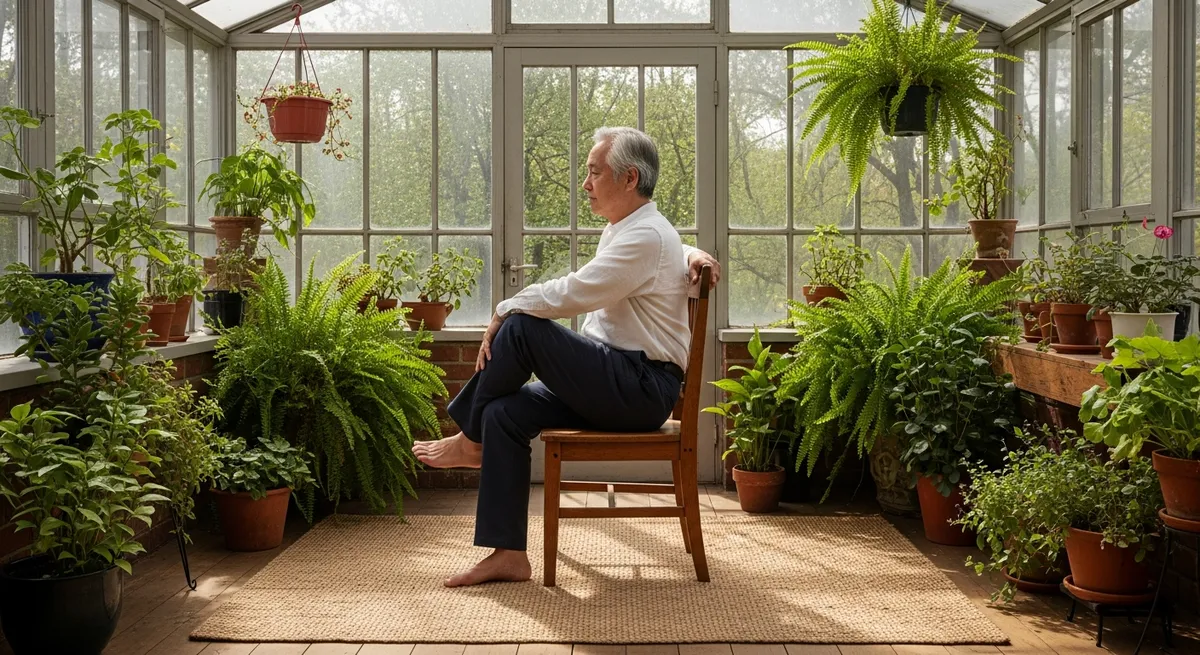
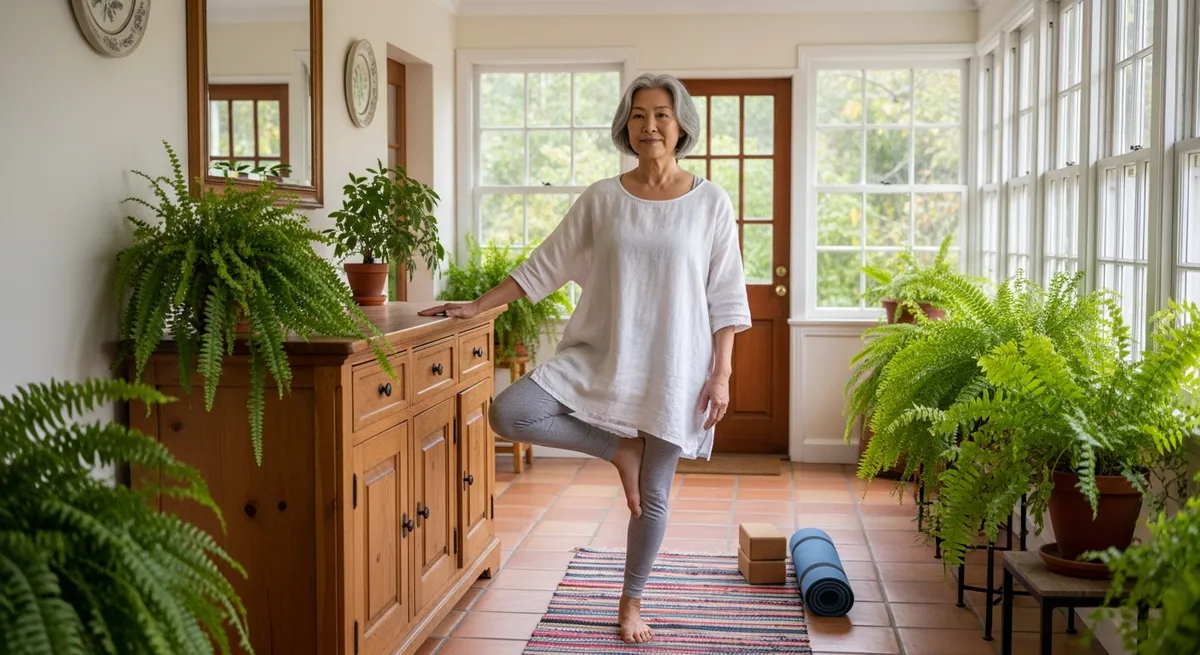
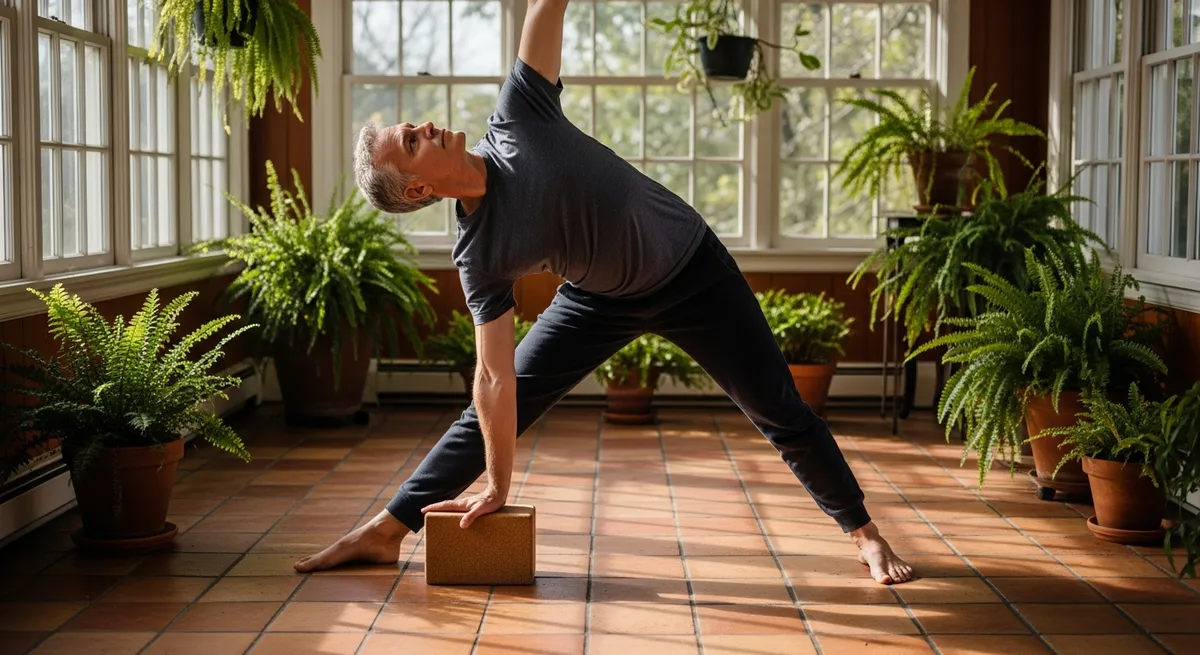
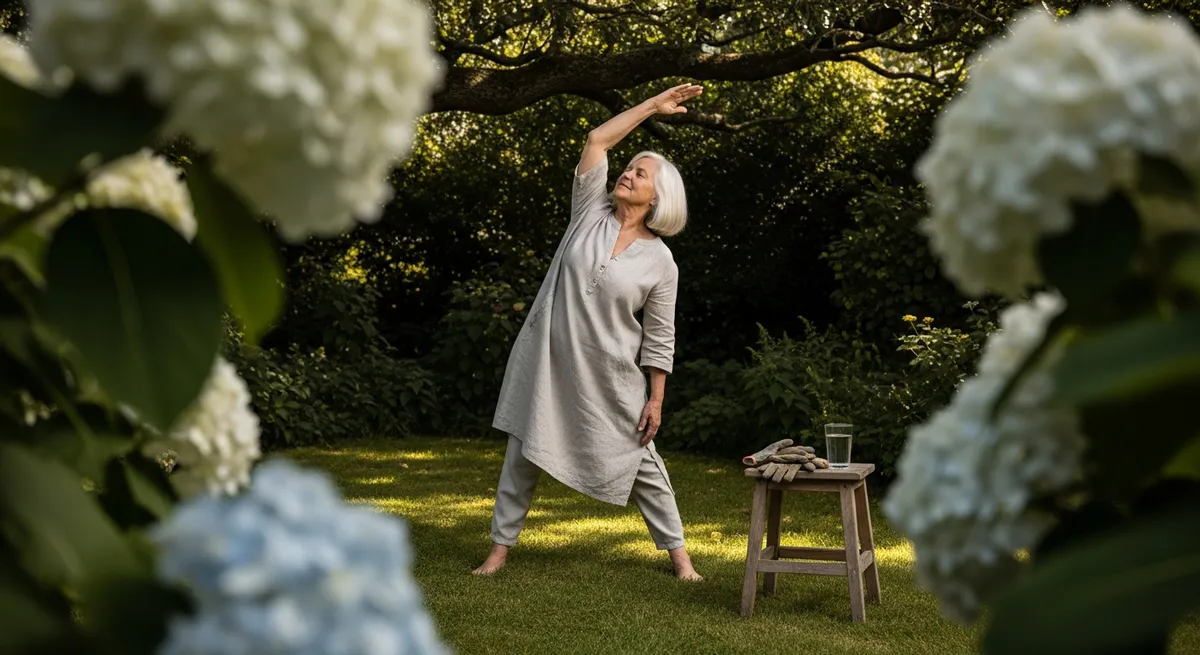
If you are looking for movement that builds strength, flexibility, and calm all at once, yoga is a very strong fit for you. The simple fact is that these poses are accessible for most beginners and intermediate practitioners, and they can be modified as needed so you do not have to worry about being too stiff or too weak to start. Keep in mind that you should always check with your doctor before starting a new movement practice, especially if you have joint concerns or balance issues, because your safety comes first.
The Sleep and Rest You're Not Giving Yourself Permission For
Rest isn't laziness. It's a health behavior — and an underrated one.
Older adults need the same seven to nine hours of sleep as all adults, and the stakes are real: people in their 50s and 60s who got six hours or less per night were at higher risk of developing dementia later in life. Mayo Clinic also recommends aiming for seven to nine hours a night as a core pillar of healthy aging.
Beyond sleep, look honestly at your day. Is there actual downtime in it — not screen-scrolling, not half-watching TV while your mind runs — but real rest? A short walk with no destination. Tea with no task. Rest planned before you're exhausted does more for your nervous system than collapsing at the end of the day. And it's not something you need to earn.
Nutrition Basics Worth Knowing
You don't need a complicated plan. A few evidence-based targets make a genuine difference:
Talk to your doctor or a registered dietitian about what's right for your specific body. These numbers are starting points, not sentences.
The Mental Health Piece You Might Be Overlooking
Wellness in later life isn't only physical. Social isolation and loneliness affect about a quarter of older people and are key risk factors for mental health conditions in later life. Connection — real, consistent connection — is as important as any supplement.
And the way you speak to yourself about your own aging is part of your mental health, too. When you miss a workout or eat something "off-plan," the kinder move is to notice it and continue — not to treat it as evidence of failure. Being gentle with yourself isn't weakness. It's what makes sustainable habits actually sustainable.
If you're dealing with depression, anxiety, or grief, a therapist or counselor is the right kind of support. Aging without pressure doesn't mean aging without help. It means you stop adding extra suffering on top of hard things by blaming yourself for them.
Four Mistakes Worth Naming
The Bottom Line
A kinder approach to wellness isn't a lower standard — it's a more honest one. Sustainable movement, enough sleep, real nourishment, genuine connection, and the grace to treat yourself the way you'd treat a good friend going through something hard. You wouldn't shame that friend for moving slowly. That same care is available to you, right now, exactly as you are.