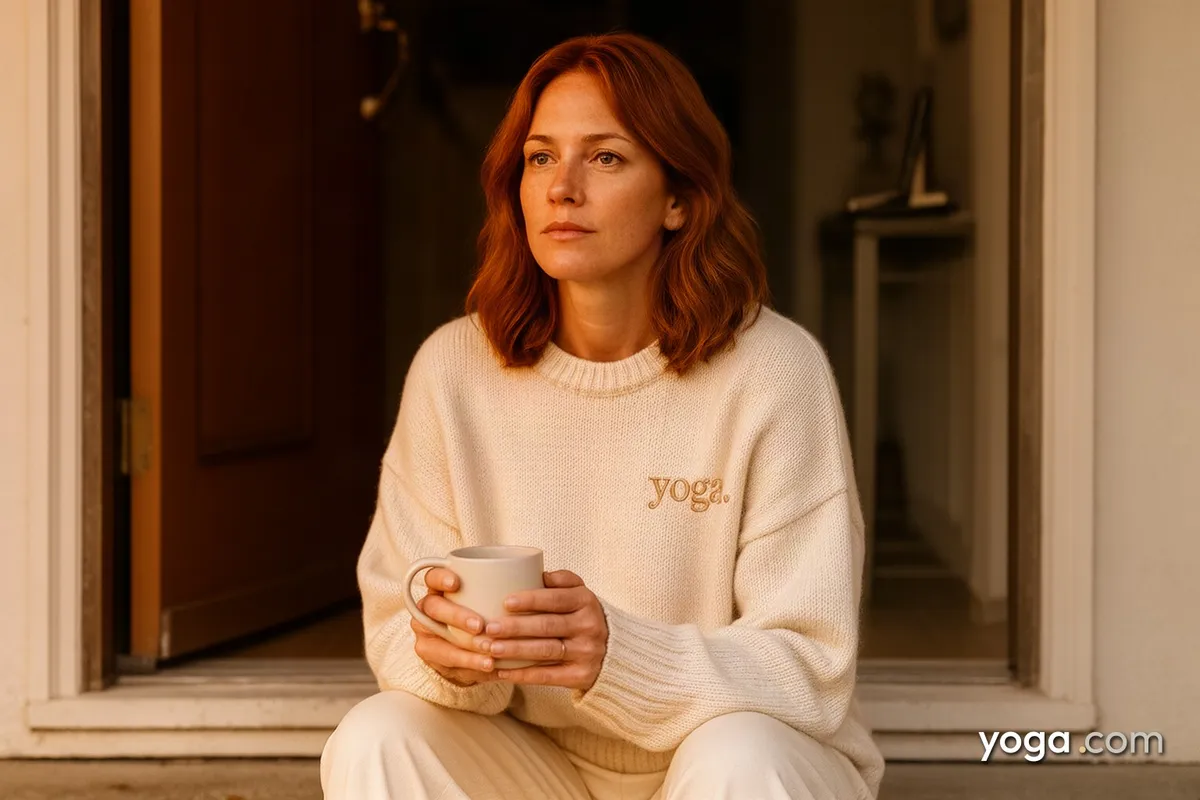
You know that feeling: it's 9 p.m., you've been "busy" all day, and you can't quite remember what you actually finished. Modern life is designed to keep you moving fast - and the cost of that speed is showing up in your body, your sleep, and your mood. The good news is that slowing down isn't about doing less. It's about doing things differently - and you can start today.
What Slowing Down Actually Means
Slowing down isn't laziness. It's the deliberate choice to give one thing your full attention before moving to the next. That shift is harder than it sounds, because the pull toward constant multitasking is real and relentless.
The cost of staying in overdrive goes beyond tiredness. Research shows that chronic stress causes measurable volume reductions in the prefrontal cortex and limbic system - the brain regions that govern decision-making, emotional regulation, and memory. This isn't abstract. It means that a pace of life that never lets you rest is literally reshaping your brain over time.
Why the Workplace Makes Everything Harder
Work is one of the biggest engines of overwhelm. Most people deal with this problem every day, and it is not a personal failing at all. According to OSHA, 83% of U.S. workers suffer from work-related stress, and 54% say that stress follows them home. That means the stress does not stay at your desk and so your home life gets affected too because the two are connected more than most people realize.
The ripple effects are serious and you should keep them in mind. Workplace stress has been linked to 120,000 deaths in the U.S. each year. Beyond that, chronic stress triggers glucocorticoid receptor resistance, keeping inflammatory stress hormones elevated and compromising the immune system over time. So chronic stress is not just something you feel in your mind and your body is being harmed in a real physical way too.
If you are in a position to advocate for change at your workplace, there is even a financial case you can make and the financial case is a strong one. For every $1 employers invest in addressing mental health concerns, they see a $4 return in productivity gains. Remember that slowing down is good for business too, and so your employer has a real reason to listen to your concerns.
Your Phone Is Part of the Problem
Scroll culture is a powerful force working against any intention to slow down. As of 2024, more than 5 billion people worldwide are active social media users - a number projected to exceed 6 billion by 2028. These platforms are engineered to hold your attention, and they are very good at doing that job and keeping you on the screen longer than you planned.
The mental health toll is real, especially for young women. A meta-analysis found a 13% increase in depression incidence for every additional hour adolescents spend on social media daily. And girls aged 16 to 24 spend more than three hours a day on these platforms - and that time displaces rest, movement, and genuine connection, so the overall effect on your wellbeing is bigger than it might first appear.
If you have ever tried to cut back on your phone and felt oddly anxious or irritable, that is not a coincidence. Remember that Stanford psychiatrist Anna Lembke has noted that resetting the brain's dopamine reward pathways after heavy social media use can take a full month or more. A quick weekend detox rarely cuts it, because the brain needs real time to reset and a short break does not give your brain enough time to do that.
A simple experiment to try
- Set your phone to grayscale for one week - color is part of what makes scrolling so compelling.
- Remove social apps from your home screen so opening the social apps requires a conscious choice.
- Choose one hour each evening that is screen-free, no exceptions.
Sleep: The Most Underrated Tool You Have
You cannot slow down if you're chronically underslept, and this is a point that is easy to overlook. Adults need seven to nine hours of sleep per night - yet nearly 30% of employed U.S. workers report sleeping six hours or fewer per day. Many people are running on far less sleep than their body actually needs.
Sleep deprivation keeps your nervous system in a low-grade fight-or-flight state, and this makes everything feel more urgent and more stressful than it actually is, so your ability to stay calm is directly connected to how much sleep you are getting. Remember that protecting your sleep is one of the highest-leverage changes you can make for your overall stress levels. Beyond that, better sleep quality tends to make every other healthy habit easier to follow through on.
Three sleep habits worth building now
- Set a consistent bedtime - even on weekends. Your circadian rhythm responds to regularity, and a regular bedtime helps your body know when it is time to wind down.
- Stop screens 30-60 minutes before bed. Blue light suppresses melatonin production, and lower melatonin makes it harder for your body to fall asleep naturally.
- Keep your room cool and dark. These two environmental factors have an outsized effect on sleep quality, so making your sleep environment cool and dark is a simple step that is worth doing every night.
How Yoga and Breathwork Help You Shift Gears
Your breath is the fastest, most accessible tool you have for changing your nervous system's state. Slow, deliberate breathing signals safety to your body - heart rate drops, muscles soften, and the sense of urgency eases. You don't need a studio or a mat to use it.
A consistent yoga practice layers movement, breath, and attention together in a way that's genuinely hard to replicate with other approaches. Even a short sequence can interrupt the cycle of rushing.
A gentle sequence to try when you feel overwhelmed
- Child's Pose (Balasana) - 10 slow breaths. Let your forehead rest heavy. This pose calms the nervous system and gently lengthens the lower back.
- Legs-Up-the-Wall Pose (Viparita Karani) - 2-5 minutes. Raising the legs encourages the parasympathetic "rest and digest" response.
- Supine Spinal Twist (Supta Matsyendrasana) - 5 breaths per side. Releases tension held through the mid-back and hips.
- Corpse Pose (Savasana) - 5 minutes, minimum. This is not optional. Rest is the point.
You don't have to carve out an hour. Even ten focused minutes - with breath awareness, not just stretching through the motions - can shift how you feel for the rest of the afternoon. If stress, anxiety, or burnout are significantly affecting your daily life, please talk to a healthcare professional alongside any self-care practice.
Small Daily Practices That Actually Stick
Grand resolutions tend to collapse. Small, specific habits tend to hold. Here are a few that are genuinely low-effort to start:
- One task at a time. Close extra browser tabs. Put your phone face-down. Finish one thing before opening the next.
- Time-block your calendar. Give each type of work its own protected window. Guard those blocks like appointments.
- Take a real lunch break. Away from your desk. Without your phone if possible. Even twenty minutes counts.
- Build a transition ritual. Something small that marks the end of the workday - a short walk, a cup of tea, five minutes of seated breathing. It tells your nervous system the shift is real.
- Say no to one thing this week that you would normally say yes to out of obligation. Notice how it feels.
The Honest Part: This Takes Time
Slowing down is a skill, and skills are built through repetition - not willpower alone. Some days you'll slide back into the rush. That's not failure; that's how habits work.
What matters is that you keep returning. One task. A few conscious breaths. A pause in the middle of a hectic afternoon. These moments compound quietly over weeks and months into a genuinely different relationship with time.
Be honest with yourself about what's realistic in your actual life, with your actual responsibilities. That honesty is itself a form of slowing down.
Stillness Is a Practice
Slowing down in a busy world isn't a luxury - it's a form of maintenance your mind and body genuinely need. The pace of modern life won't ease up on its own. But you can choose, repeatedly and imperfectly, to move through it with more intention. Start small. Start today. Your nervous system will notice.
Sources
- PMC / National Library of Medicine - Chronic Stress, Cortisol Dysfunction, and Pain
- OSHA - Workplace Stress
- PMC / National Library of Medicine - Social Media Use and Mental Health in Adolescents
- Stanford Medicine - The Addictive Potential of Social Media, Explained
- American Heart Association - Stress and Heart Health
- PMC / National Library of Medicine - Short Sleep Duration Among Workers in the United States