
You bend down to pick something up and feel that familiar tightness. Or you try to look over your shoulder while reversing the car and realize your upper back barely moves. Spinal mobility — how freely your spine can flex, extend, rotate, and bend sideways — affects nearly everything you do. When it goes, the effects ripple far beyond your back.
What Spinal Mobility Actually Means
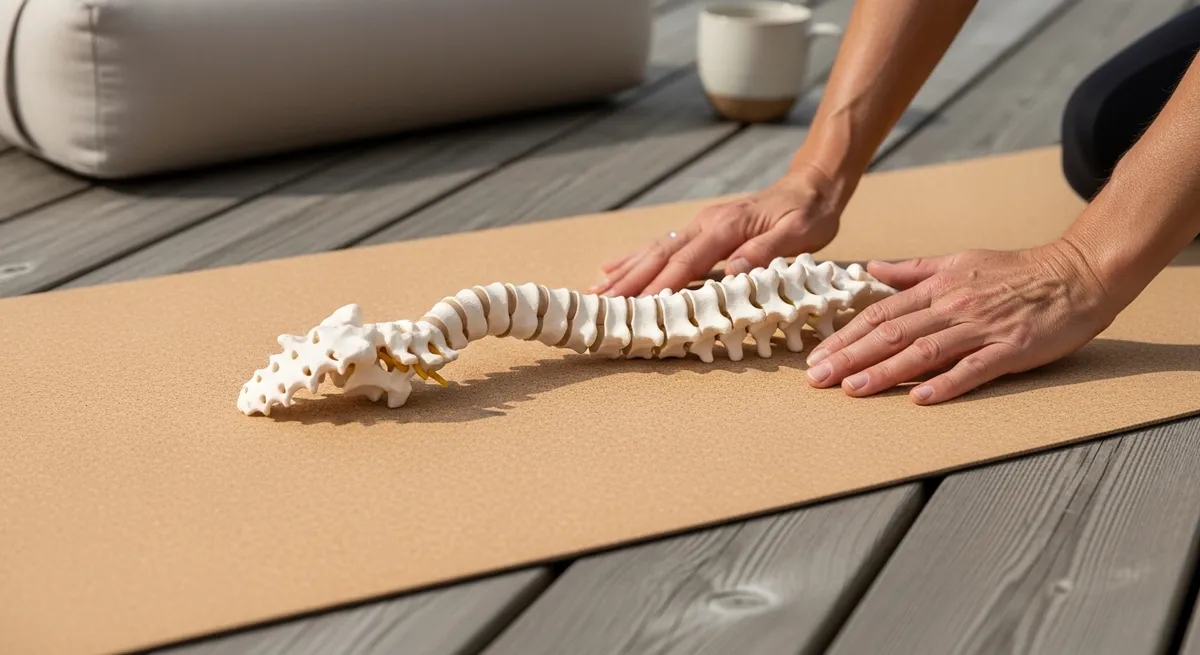
Your spine isn't a single rigid column. It's a stack of 33 vertebrae designed to move in multiple directions. Think of it as a chain: when every link moves, the whole chain flows. When links seize up, the ones around them have to work overtime.
There are three main regions to know:
That distinction between thoracic and lumbar matters more than most people realise. Most of your trunk rotation should happen through the thoracic spine. When it doesn't, the lumbar spine picks up the slack — and that's where trouble starts.
Why a Stiff Spine Hurts More Than Just Your Back
Low back pain is one of the most widespread physical complaints in the world. According to the World Health Organization, low back pain affected 619 million people globally in 2020, with cases projected to reach 843 million by 2050. The simple fact is, this is not a niche problem at all — it is a very large and growing problem that affects hundreds of millions of people.
Here is the cascade that poor spinal mobility sets in motion for your body:
Keep in mind that the shoulder and elbow connection is very real for athletes and active women alike. When your thoracic spine cannot rotate freely, your shoulder joint ends up absorbing forces that your shoulder joint was never meant to handle. On top of that, your whole upper body pays a price when your mid-back mobility is poor.
The Link Between Back Strength, Mobility, and Quality of Life
Mobility and strength in the back region are more closely tied to daily function than most people expect. The simple fact is that research in older adults found that back muscle strength showed a significant positive correlation with physical quality-of-life scores (r = 0.549), and that back muscle strength was independently associated with better physical health outcomes (r = 0.488, p < 0.0001).
The takeaway is that a spine that moves well and is supported by strong muscles contributes to how comfortable and capable you feel day to day and so back strength is really about much more than whether your back aches because it affects your overall physical wellbeing in a very real way. Keep in mind that back strength and back mobility work together, and when you improve both, you improve your daily quality of life.
Low back pain is more prevalent in women, and the peak number of cases occurs between ages 50 and 55 — making proactive spinal care especially worthwhile for women entering or navigating midlife. On top of that, because low back pain peaks during midlife, women in this stage of life have a strong reason to take spinal care seriously before problems develop.
Four Movements Your Spine Needs Every Day
Most of us get plenty of flexion (forward bending) from sitting. What's almost universally lacking is extension (backward bending) and rotation (twisting), particularly through the thoracic spine. Add lateral flexion (side bending) and you have the four directions your spine needs to visit regularly.
Here's a simple starting framework:
Safety note: If you have osteoporosis, a recent vertebral fracture, or a herniated disc, consult a physiotherapist or your doctor before adding rotation or extension exercises.
Yoga Poses That Directly Target Spinal Mobility
Yoga has been building a practical vocabulary for spinal movement for centuries. Many poses address the exact thoracic mobility deficits that spine researchers and physiotherapists highlight — often without the clinical language. Here are three worth adding to your practice:
Half Lord of the Fishes Pose (Ardha Matsyendrasana)
A seated spinal twist that rotates the thoracic spine while the floor stabilises the pelvis. Inhale to lengthen your spine first, then exhale and rotate from the ribs upward — not from the lower back. Avoid deep seated twists if you have a lumbar herniated disc unless guided by a professional.
Cobra Pose (Bhujangasana)
A gentle prone backbend that encourages thoracic extension. Keep the lift soft and initiated from the sternum rather than pushing aggressively with your hands. This is the same movement a physiotherapist calls "thoracic extension" — just with a more evocative name.
Child's Pose (Balasana)
A resting posture that gently lengthens the entire spine in flexion. With arms extended forward, you can also add a gentle side-reach to introduce lateral flexion. It's a simple reset after any mobility work.
Stability and Mobility Work Together
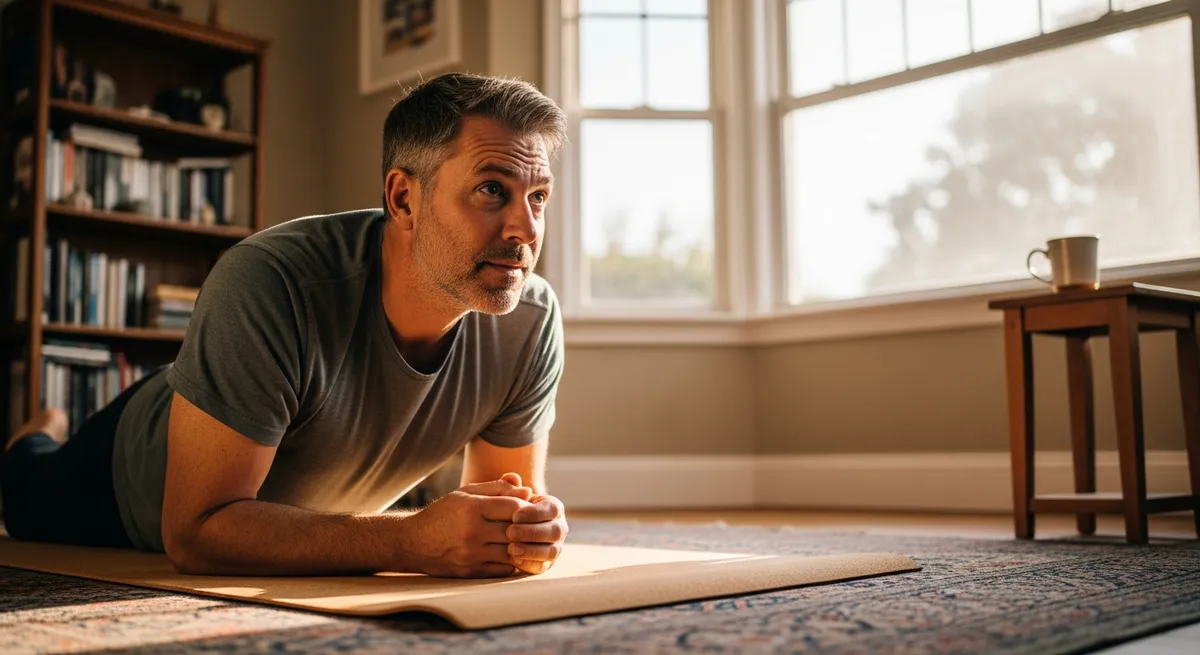
Mobility without stability is just looseness. The goal is a spine that can move through its full range and return to a controlled, supported neutral position. That means pairing flexibility work with strengthening — poses like Plank (Phalakasana), Locust Pose (Salabhasana), and Bird Dog (Parsva Balasana) build the back and core strength that protect the mobility you're developing.
Start gently, move consistently, and if pain increases rather than eases, take that as a signal to check in with a healthcare professional.
The Bottom Line
Your spine's ability to move freely isn't a luxury — it underpins how you carry groceries, sit through a meeting, sleep comfortably, and stay active as you age. A few minutes of targeted mobility work each day, anchored in good yoga practice, is one of the most practical investments you can make in your long-term wellbeing. Start where you are, move with intention, and your back — and the rest of your body — will thank you.