You know that deep ache after a long day at your desk — the one that makes standing up feel like a full-body event? Or maybe it's a pinching sensation every time you try to cross your legs in meditation. Tight hips and hip pain are not the same thing, and treating them the same way is where a lot of well-meaning yoga practice goes sideways. This guide helps you tell the difference, move smarter, and know exactly when to step back.
⚠️ Safety First: Read This Before You Practice
If you have a diagnosed hip condition — including hip impingement (femoroacetabular impingement/FAI), hip osteoarthritis, bursitis, a labral tear, or recent hip surgery — talk to your doctor or physical therapist before starting any new yoga practice. The guidance below is general and educational, not a substitute for personalised medical advice.
Stop immediately and consult a professional if you feel:
Tight Hips vs. Hip Pain: Why the Difference Matters
Tight hips usually mean your hip flexors, glutes, or inner-thigh muscles have shortened from prolonged sitting. One study observed that Americans sit an average of 9.5 hours per day, contributing to a measurable loss of passive hip extension range of motion. Tightness feels like stiffness or resistance — uncomfortable, but not alarming.
Hip pain is a different story. It can signal impingement, arthritis, bursitis, or a labral tear. Each of these conditions comes with its own do's and don'ts, and what relieves one can aggravate another. Between 1990 and 2019, hip osteoarthritis prevalence in the USA increased by nearly 25% — and women carry a higher burden of hip osteoarthritis than men, making this especially relevant for our readers.
The Stretching vs. Strengthening Debate (Strengthening Is Underrated)
Here is something the "hip opener" world undersells, and it is worth saying plainly: stretching alone is not enough. The muscles around your hips — glutes, hip flexors, adductors, deep rotators — need strength and mobility working together to function well. Keep in mind that you cannot rely on stretching by itself if you want your hips to actually move and feel better in daily life.
Research backs this up. Tight hip flexors are associated with reduced dynamic balance and can compromise isometric trunk strength. Stretching can help restore length, but without the strength to control that range, you are building a house without a foundation. The simple fact is that your body needs to be able to use the new range of motion you are working so hard to get.
A 2025 cohort study found that a six-week daily lunge-and-reach stretching program produced statistically significant improvements in hip flexor length and gluteal power — suggesting that functional, load-bearing movement patterns may offer more than passive stretching alone and so this gives you a good reason to add strengthening work to your routine because passive stretching by itself may leave your hips weaker than you want. (Note: this was a small study of 23 healthy young adults, so findings should be interpreted cautiously.)
The takeaway: pair your hip stretches with poses that build glute and hip stability. On top of that, make strengthening a regular part of your hip care routine and not just an afterthought. Your hips will thank you.
How Much Stretching Is Actually Useful?
Duration matters more than most people realise, and the simple fact is that how long you hold a stretch makes a big difference. A 2021 systematic review found that hip flexor stretching of up to 120 seconds has no negative effect — or even a positive impact — on performance-related parameters. In practical terms, moderate holds in yoga class are fine and you do not need to worry about short stretching sessions hurting your performance.
However, very prolonged stretching (270–480 seconds) was associated with a meaningful decline in performance. Keep in mind that the lesson here is not "never stretch" — the lesson is "don't overdo it right before activity, and don't treat a five-minute passive hold as automatically better." On top of that, longer stretching does not equal better stretching, and more time spent holding a stretch can actually work against you.
The American College of Sports Medicine recommends a total of 60 seconds per flexibility exercise for each major muscle-tendon group, on at least two days per week to maintain joint range of motion. That is your evidence-based benchmark, and it is a benchmark that is practical and realistic for most people to follow consistently.
A Starter Sequence for Stiff, Healthy Hips
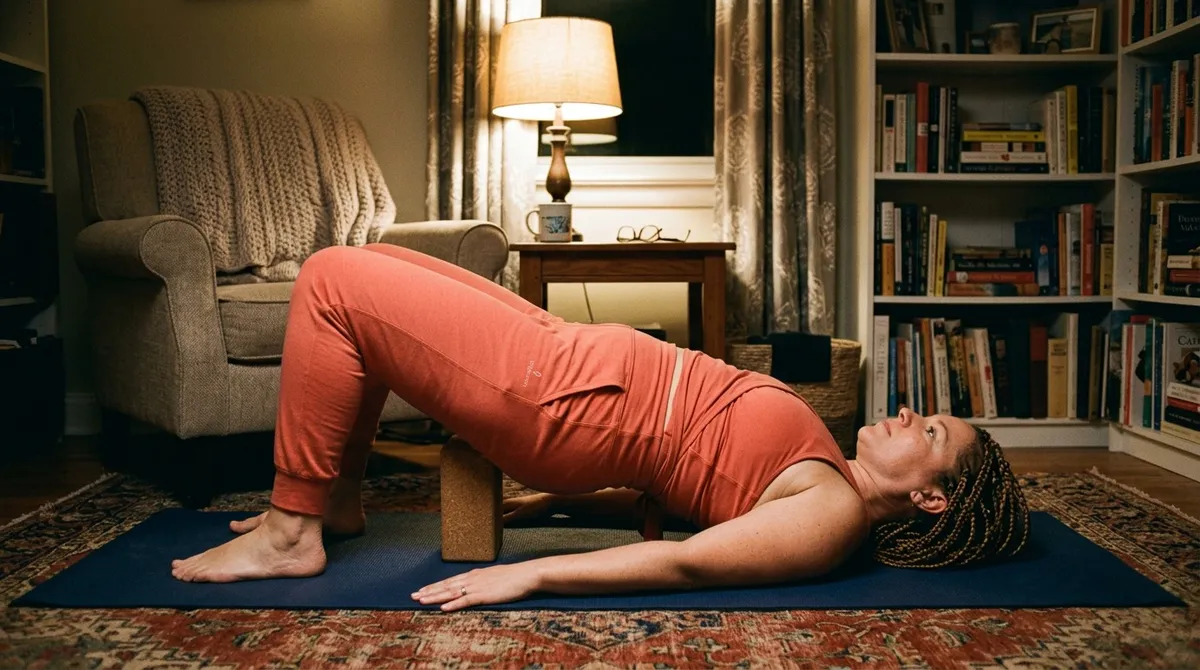
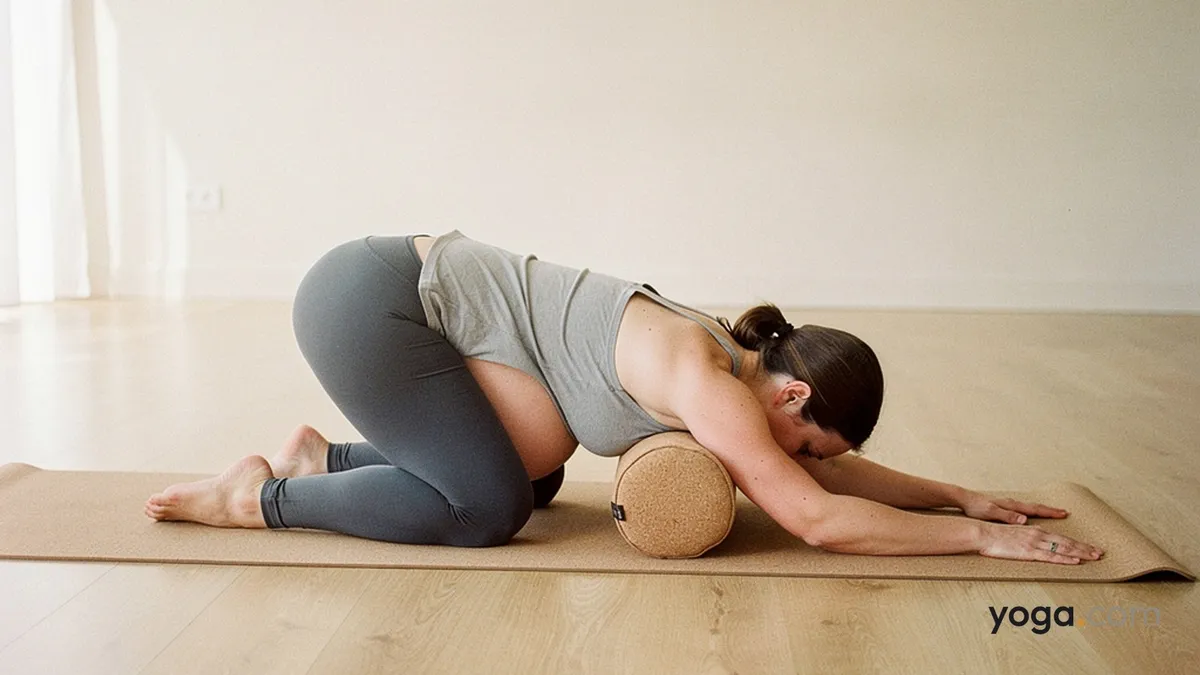
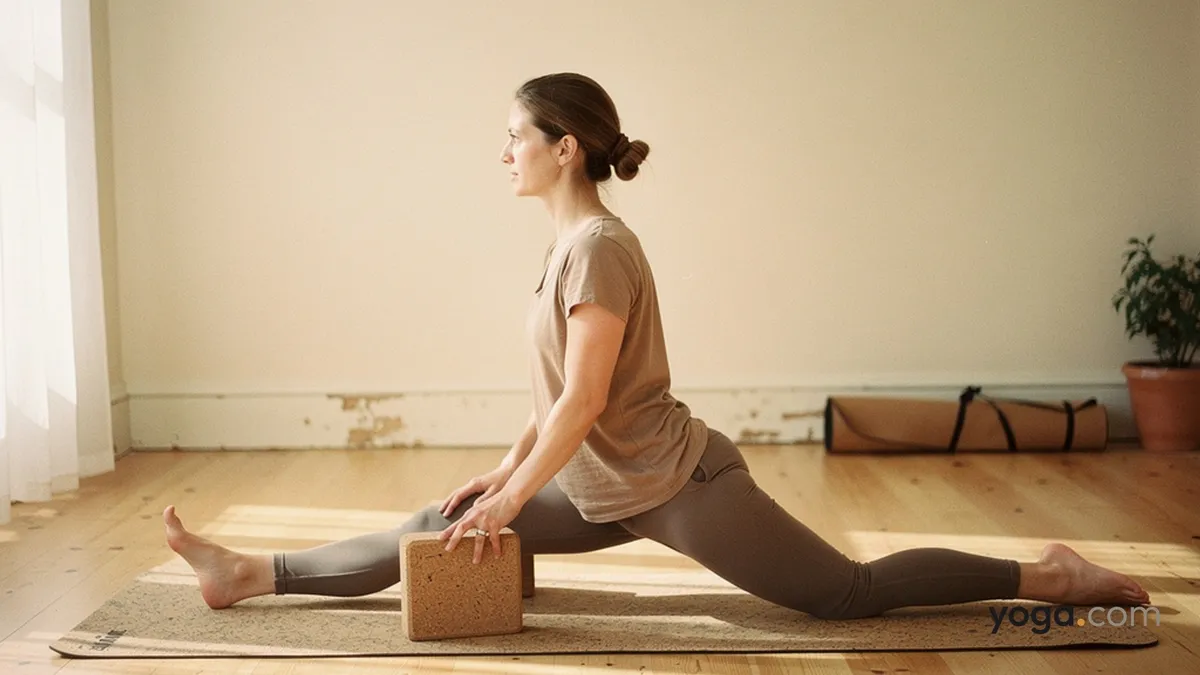
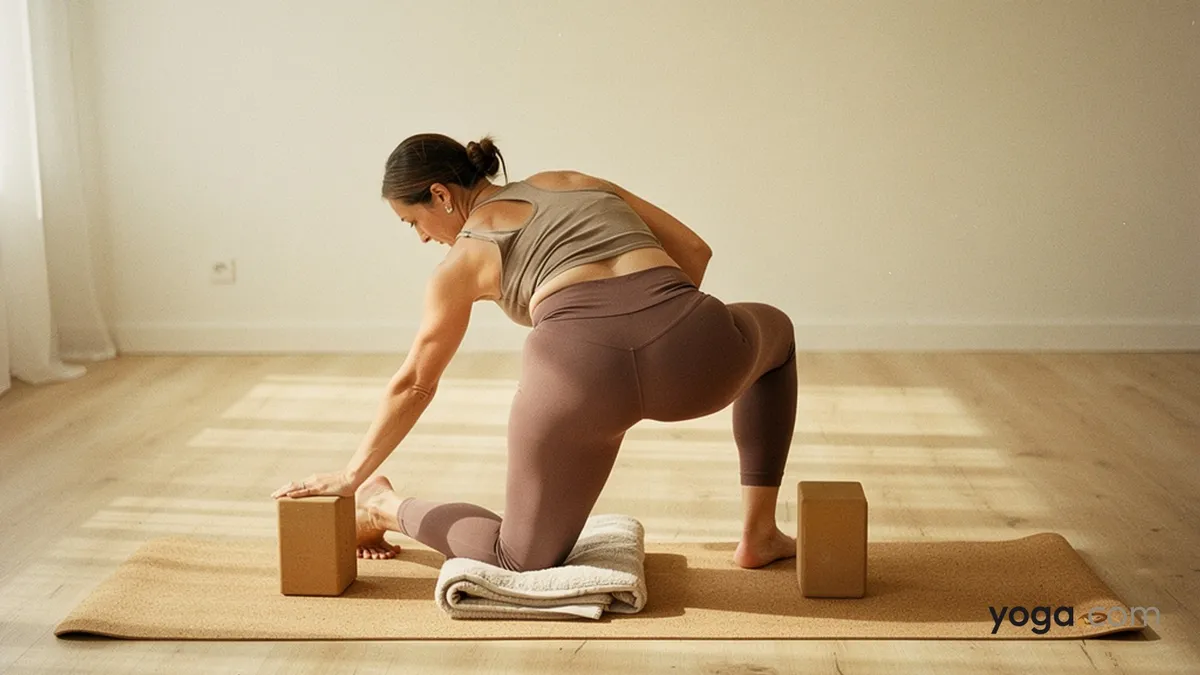
This sequence is designed for people with general tightness — not active pain. Move slowly, breathe fully, and honour what your body tells you today.
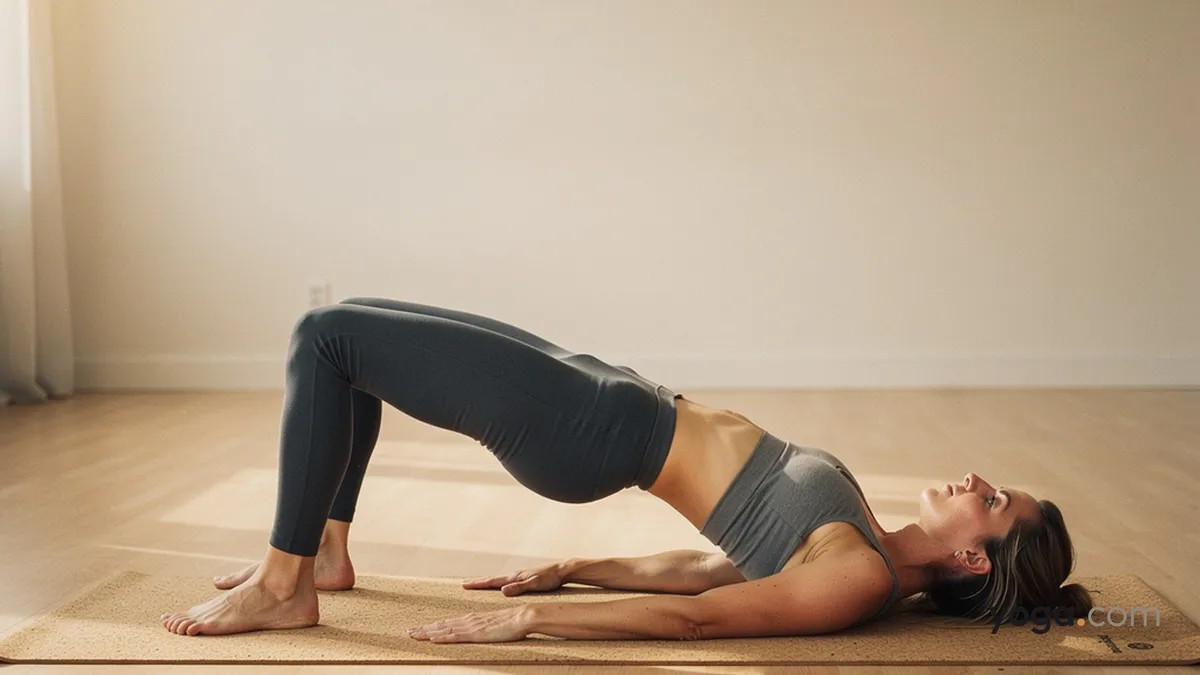
For more ideas you can weave into everyday movement, explore our guide to daily-life hip mobility.
What to Skip If You Have Hip Pain
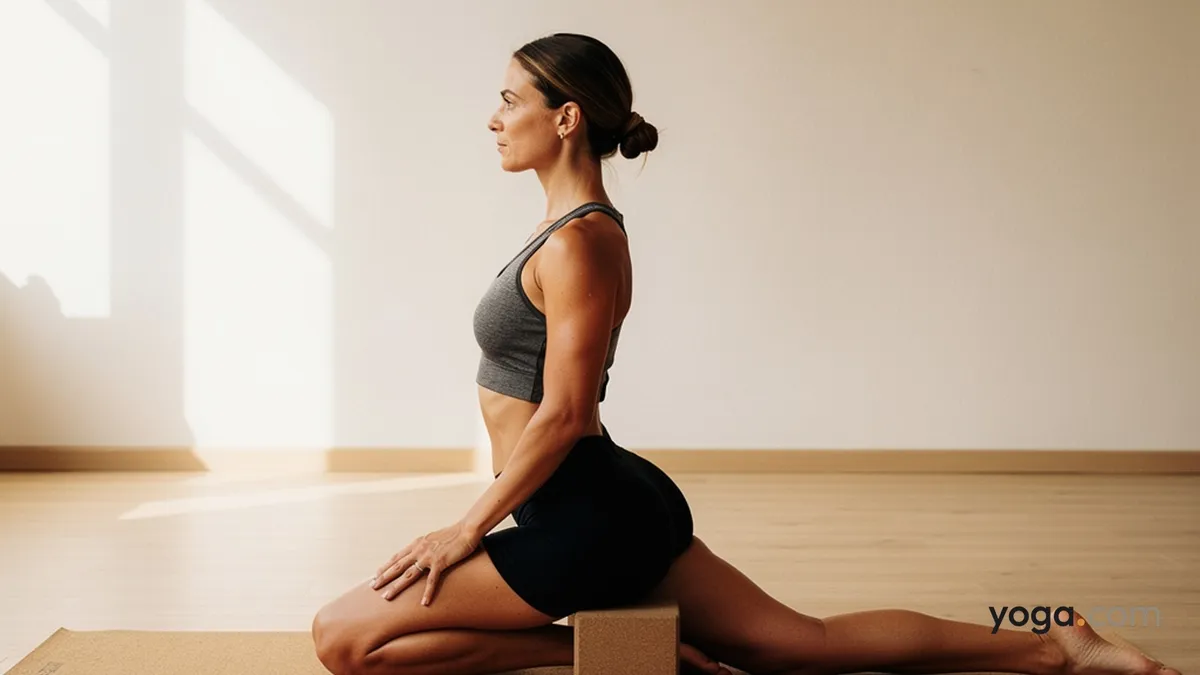
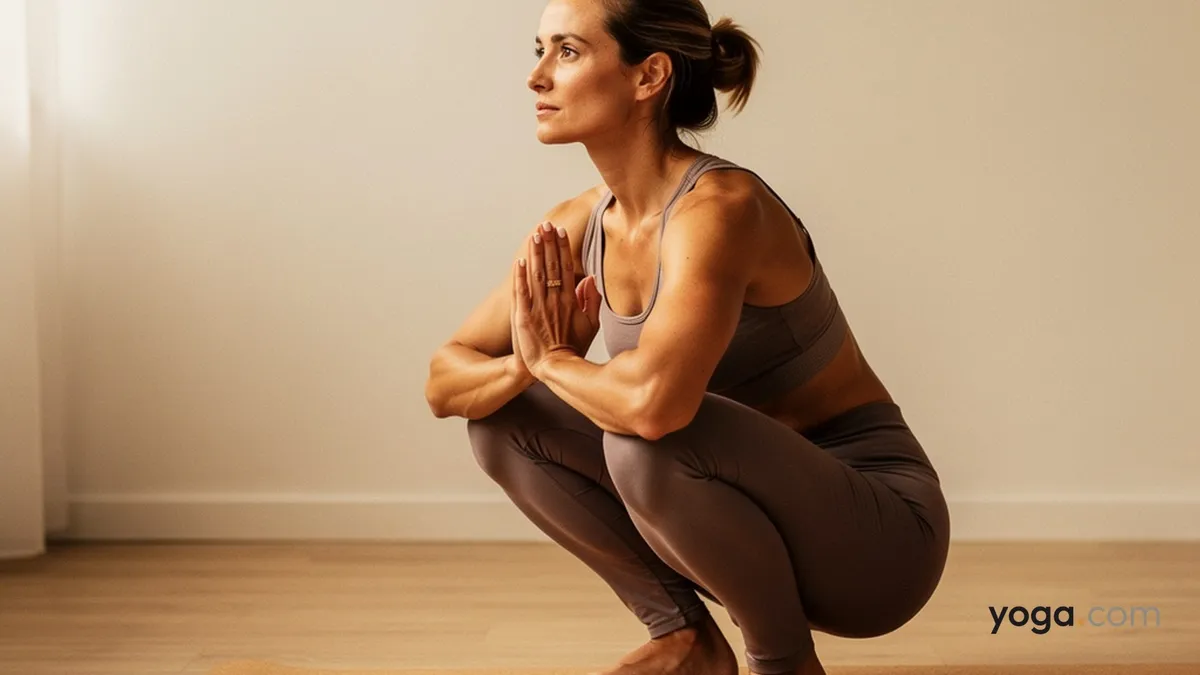
If you experience pinching, sharp pain, or have a diagnosed hip condition, certain yoga shapes put the joint under loads it may not tolerate well. A 2018 motion analysis study found that many common yoga poses — including Pigeon, Downward Dog, forward folds, and seated twists — take the hip to extremes of motion. That's fine for healthy joints; for irritated ones, it can be too much.
Poses to approach with caution or avoid with hip pain:
The Truth About "Hip Openers" and Emotional Release
You may have heard that hip openers release stored trauma or emotion. This is a meaningful part of yogic tradition and many people do report emotional shifts during hip-focused practice — that experience is real and worth honouring.
What the physiology does not currently support is a specific, proven mechanism by which the hips "store" emotions in a way that stretching reliably "releases." These claims go beyond what the science shows. If hip work feels emotionally significant for you, explore it with curiosity — just hold the explanation lightly, as a perspective rather than a proven fact.
Hip Osteoarthritis: A Note on Movement as Medicine
If you have early hip osteoarthritis, movement is not your enemy. Physical activity may help alleviate early symptoms of hip osteoarthritis by preserving range of motion, enhancing muscle strength around the joint, optimising joint biomechanics, and reducing local inflammation — though these findings come from observational and review-level evidence, not randomised trials, and should be understood as "associated with benefit" rather than a guarantee.
Work with your healthcare provider to find the right type and amount of movement for your specific situation.
When to See a Professional
Yoga can be a wonderful tool for hip health — but it has limits. See your doctor or a physical therapist if:
The Bottom Line
Tight hips and painful hips need different approaches, and both of these conditions deserve more than just aggressive stretching. The simple fact is that you need to build in strength alongside mobility, and you should keep holds moderate because pushing too hard too fast does not help your hips get better. Keep in mind that you should skip anything that pinches or hurts, and you should lean on evidence rather than mythology when you are making decisions about your hip care. Move consistently, listen carefully to what your body is telling you, and when in doubt, get a real pair of eyes on your hips from a qualified professional. Your hips carry you through everything you do every day, and that means your hips are worth getting this right.