You roll out your mat, fold forward, and your fingertips hover somewhere around your shins — nowhere near the floor. It's frustrating, especially when the person next to you seems to melt effortlessly into every pose. But here's what the bendiest person in the room may not have told you: real flexibility isn't about collapsing further into a stretch. It's a skill your nervous system and tissues build over time, and yoga is one of the most effective tools for doing it.
⚠️ Safety First — Please Read Before You Begin
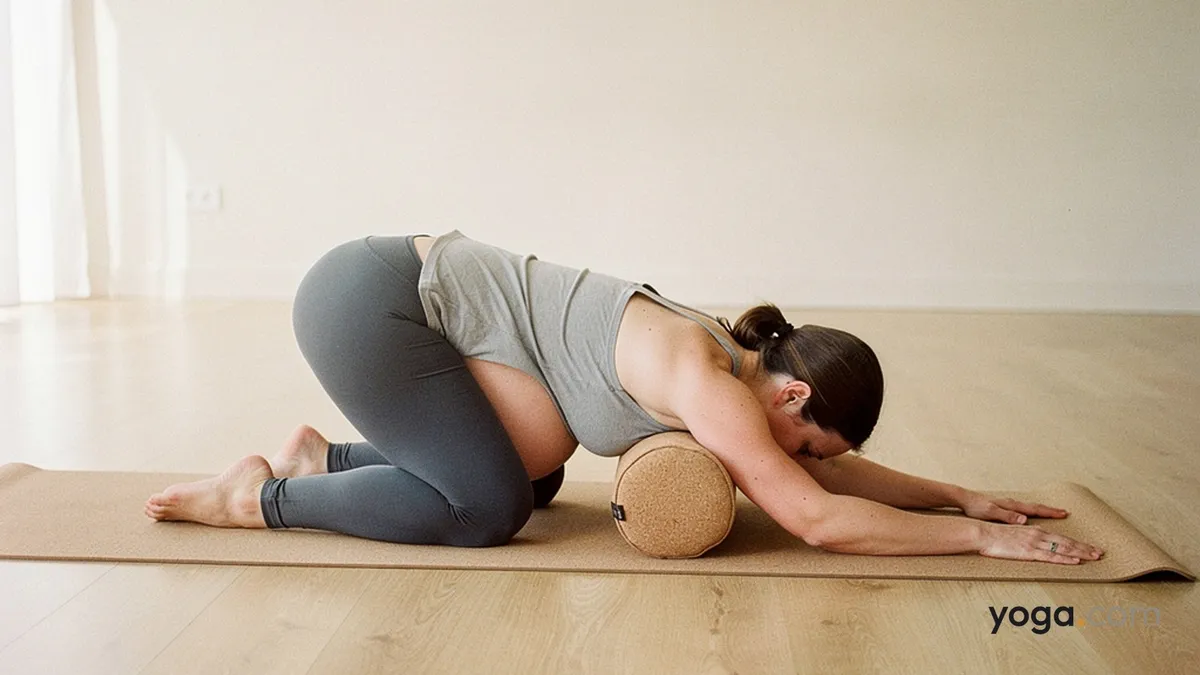
Talk to your doctor or physical therapist before starting a flexibility program if you have a recent or chronic joint injury, osteoporosis, osteoarthritis, hypermobility syndrome (including EDS), a history of disc herniation or spinal stenosis, or if you are pregnant. This article offers general wellness guidance and is not a substitute for professional medical advice.
Stop immediately and seek care if you feel sharp or shooting pain, numbness or tingling, sudden joint instability, or any pain that persists after your session ends. Mild, gentle tension is normal. Pain is not.
What Flexibility Actually Is
Flexibility is defined as the range of motion of muscle and connective tissues at a joint or group of joints — and it is highly specific to each joint. That means your hip flexibility says almost nothing about your shoulder flexibility. There is no single "flexible person." There are flexible hips, or a supple thoracic spine, or open hamstrings.
This matters because it shapes how you practice. Targeting the chains and joints that are actually limiting you will get you further than repeating the same forward fold every day and hoping for the best.
Curious about how flexibility differs from mobility? We broke that down in depth here.
Why You're Not Getting More Flexible (Yet)
The honest answer: your nervous system is protecting you. In the short term, what limits your range isn't usually tight muscle fibers — it's your brain's threat perception. When a stretch feels unfamiliar or intense, your nervous system pumps the brakes. This is called stretch tolerance, and it's trainable.
Longer-term changes — actual adaptation of connective tissue, tendons, and muscle architecture — take months of consistent practice, not days. Expecting visible changes in a single week sets you up for discouragement. Expecting them over 4–6 months sets you up for success.
The problem with purely passive stretching
Sinking into a pose and going limp teaches your nervous system that the end range is passive territory — a place you visit, not a place you can control. Active, loaded range of motion (think: holding a pose with engaged muscles, not collapsing into it) builds both flexibility and the strength to use it. That's a far more useful outcome, and it's one of the reasons yoga — with its emphasis on muscular engagement within shapes — tends to outperform static stretching alone.
For a deeper look at the difference between genuine lengthening and forcing, read this piece on stretching vs. forcing.
What the Evidence Actually Says
Research supports the use of yoga to increase flexibility, and flexibility exercises have consistently shown benefits for both short-term and long-term balance performance. Flexibility is also hypothesized to be associated with prevention of and relief from low-back pain, prevention of musculoskeletal injury, and improved posture — though the relationship is associative, not a simple cause-and-effect guarantee.
Worth noting: most studies remain equivocal about the role of stretching in injury prevention, so approach any "stretching prevents all injuries" claim with healthy skepticism. Flexibility is one valuable piece of a larger wellness puzzle.
How much do you need? The ACSM recommends a total of 60 seconds per flexibility exercise for each major muscle-tendon group, on at least two days per week. Encouragingly, many studies have noted benefit in improving range of motion with just 10–30 seconds of stretching per exercise, practiced regularly.
Realistic Timelines: What Changes When
Progress is rarely linear. Travel, stress, and rest days all affect how you feel on any given day. The simple fact is that the practitioners who improve consistently are the ones who practice consistently, not perfectly. Keep in mind that showing up regularly matters far more than showing up with a perfect session every single time.
A Starter Routine: The Major Chains
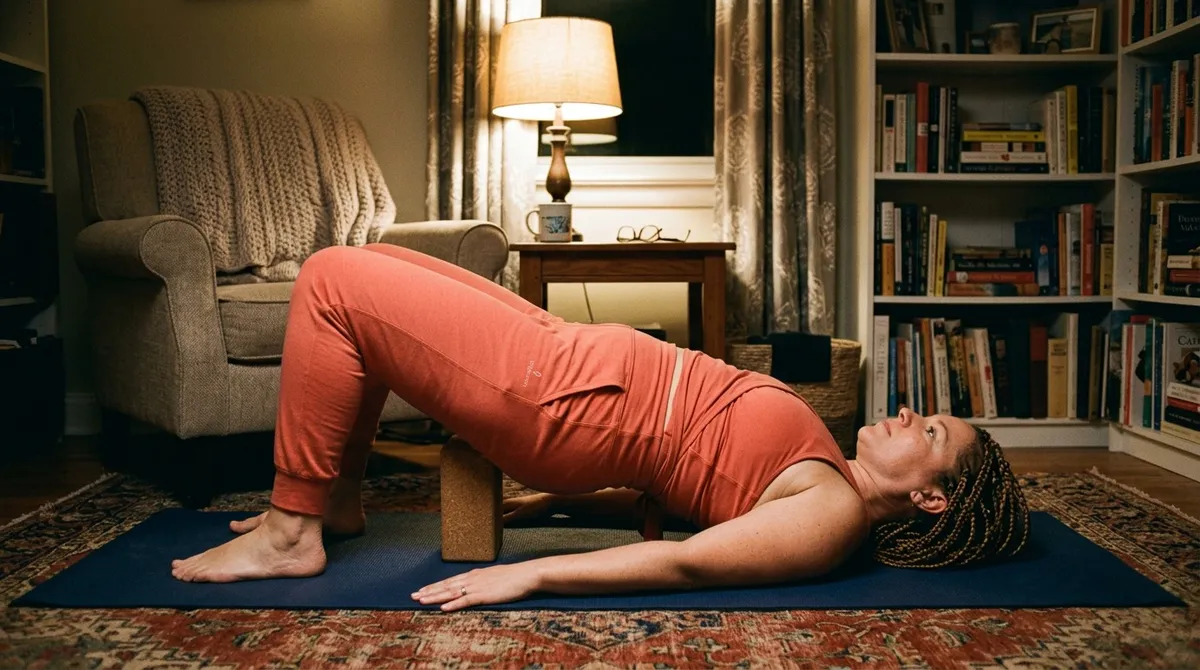
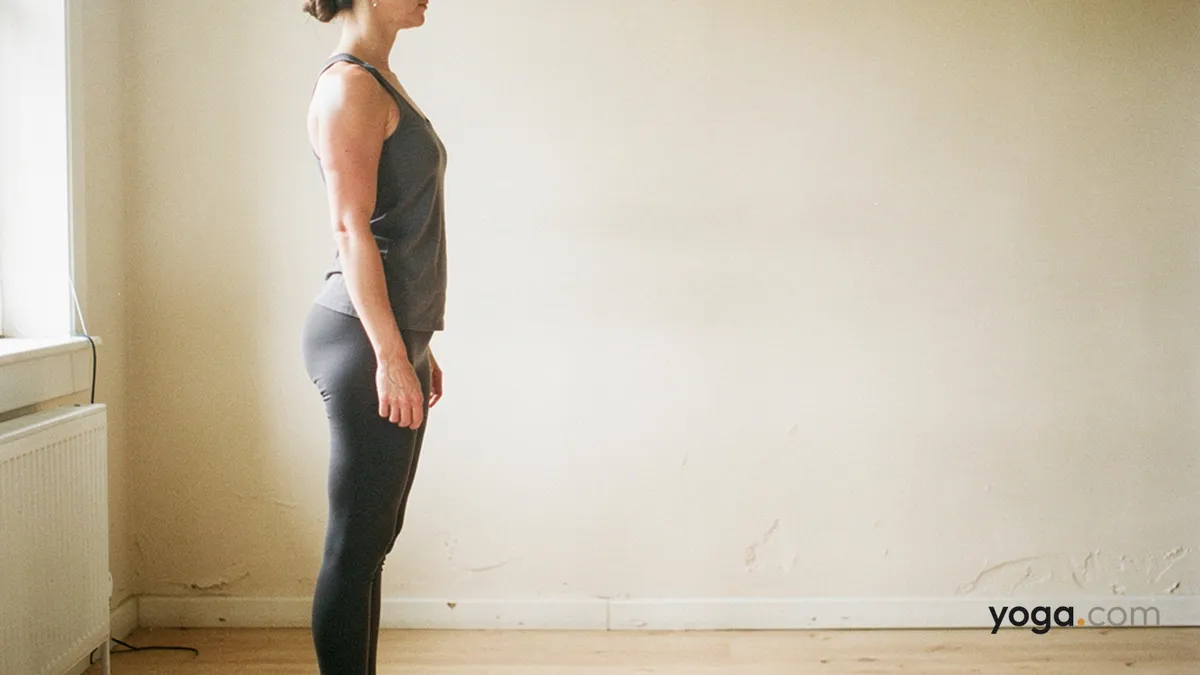
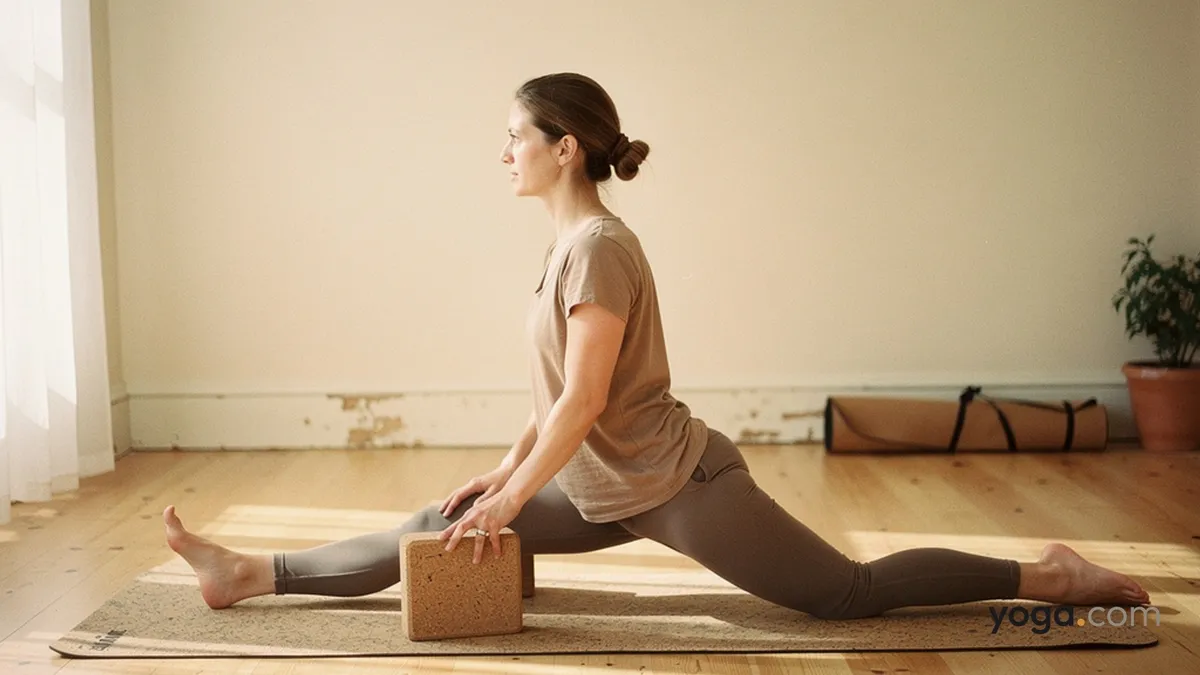
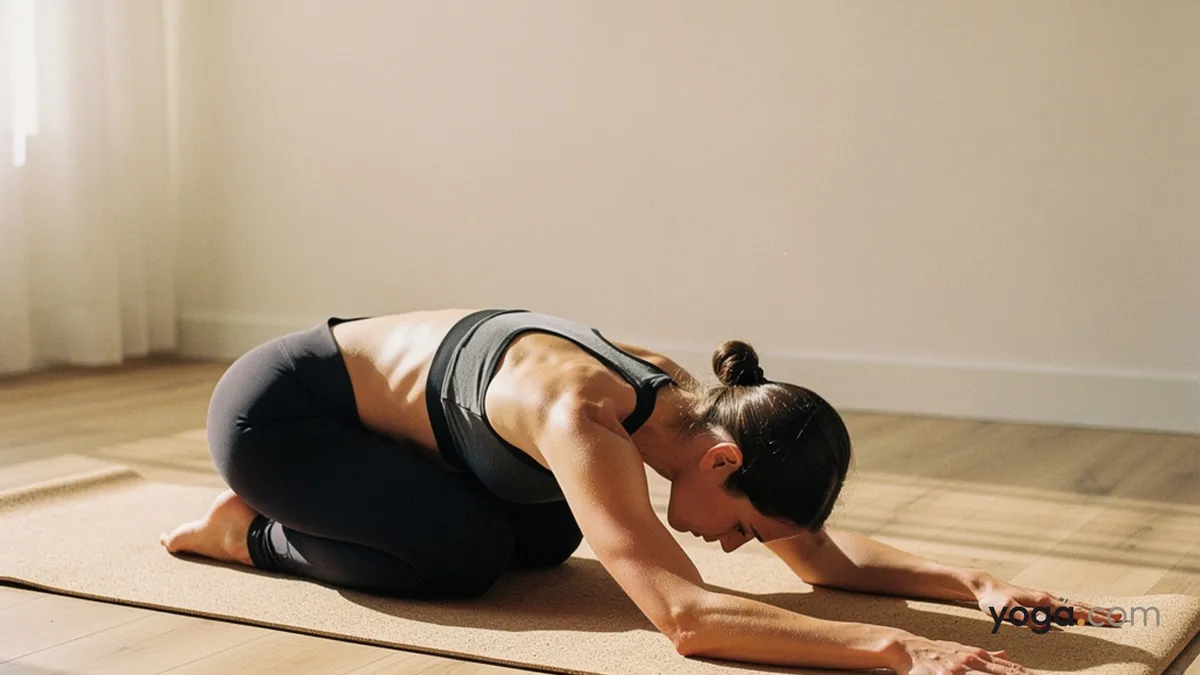
This sequence targets the five areas that limit most people's range: the posterior chain (hamstrings, calves, lower back), hip flexors, hip rotators, thoracic spine, and shoulders. Practice it 2–3 times per week. Hold each pose for 5–10 breath cycles with muscles actively engaged — don't just hang.
The Hypermobility Warning: More Range Is Not the Goal for Everyone
If you are naturally very bendy — joints that hyperextend, a lifetime of being told you're "so flexible" — this section is for you. Hypermobility means your connective tissue is already lax. Pushing further into end range doesn't make you healthier; it can strain ligaments and destabilize joints over time.
For hypermobile practitioners, the goal flips entirely: strength and stability within your existing range, not more range. Micro-bend your knees in forward folds. Engage your muscles actively rather than hanging on passive tissue. Consider working with a physical therapist or yoga teacher experienced with hypermobility before establishing your home practice.
Contraindications: When to Modify or Skip Poses
When to See a Professional
See your doctor or physical therapist if you experience pain that persists more than 48 hours after a session, any new joint swelling, numbness or tingling during or after practice, or if you've had an injury and are unsure whether you've fully recovered. A good yoga teacher can adjust your practice enormously — but they are not a substitute for medical assessment when something feels wrong.
The Bottom Line
Flexibility is built slowly, session by session, through stretch tolerance first and tissue adaptation second, and smart engagement is important throughout all of that process. The simple fact is that yoga offers a genuine, research-supported path to improving your range of motion, and this is true as long as your expectations match the timeline and your practice matches your body. Keep in mind that consistency is what actually moves the needle, so you need to show up regularly and work with active engagement rather than passive collapsing. On top of that, you need to give the process the months it genuinely needs, because real flexibility gains do not happen in a few weeks. Your hamstrings will thank you for putting in that consistent, patient work.