That electric zing down the back of your leg — the one that flares when you stand up too fast, sit too long, or bend the wrong way — is something you want gone. Yoga can help. But with sciatica, the wrong poses can make things significantly worse, and a few key moves can genuinely ease the pain. Knowing the difference is everything.
⚠️ Read This First: A Safety Note
Sciatica is a symptom, not a diagnosis. The nerve irritation you're feeling can come from several different causes — a herniated disc, spinal stenosis, or a tight piriformis muscle, to name the most common. Each responds differently to movement. Please talk to your doctor or a physical therapist before starting any yoga practice for sciatica. This article provides general educational guidance, not medical advice.
If you experience any of the following, stop all activity and seek emergency care immediately:
What Is Sciatica, Really?
The sciatic nerve is the longest in your body, running from your lower spine through your hips and all the way down each leg. When something irritates or compresses it, pain, tingling, or numbness can radiate along that entire path. Research indicates a lifetime incidence of 10% to 40%, so you are far from alone.
The underlying cause matters enormously for movement choices. The three most common sources are:
This is precisely why a professional assessment is so important before you choose your approach. What soothes one cause can inflame another.
What the Evidence Actually Says About Yoga and Back Pain
Research on yoga for back pain is promising but nuanced — and honesty matters here. Most studies focus on chronic non-specific low back pain, not sciatica specifically, so findings don't transfer one-to-one.
A 2022 Cochrane systematic review of 21 trials with 2,223 participants found that yoga was associated with small improvements in pain and function compared to no exercise — but those improvements were below the threshold considered clinically meaningful. When compared to other forms of back-focused exercise, yoga performed similarly.
Importantly, low-certainty evidence from the same review showed yoga increased the risk of adverse events — primarily increased back pain — compared to no exercise. This reinforces why guidance from a qualified teacher and your healthcare provider matters.
On the more encouraging side, the 2017 American College of Physicians clinical practice guidelines recommended yoga as an initial treatment option for chronic low-back pain, and a 2022 systematic review and meta-analysis of 27 studies involving 2,702 participants found yoga was associated with short-term improvements in pain intensity, disability, mental health, and physical functioning for chronic low-back pain. "Associated with" is the key phrase — not a guarantee, and not a cure.
There is also some research specific to disc-related sciatica: a 2015 randomized controlled trial of 61 adults with low back pain or sciatica from disc bulges or extrusions found that yoga therapy resulted in meaningfully better disability scores than the control group at three months, with no adverse effects reported. Encouraging — but one study, and participants were closely supervised.
The Critical Warning: Not All Stretches Help
This is the part most yoga articles get wrong. If your sciatica comes from a herniated or bulging disc, you are likely flexion-intolerant — meaning rounding forward through your spine can increase disc pressure and worsen nerve irritation. The simple fact is that not every stretch is a safe stretch, and the wrong stretch can make your sciatica worse instead of better.
Poses to approach with extreme caution or avoid entirely if you have disc-related sciatica:
Keep in mind that your body gives you a very clear signal when a movement is going in the wrong direction. Stop immediately if any movement sends pain, tingling, or numbness further down your leg. On top of that, you should know that this signal has a name — "centralization vs. peripheralization" — and this signal is your body telling you the movement is the wrong direction for your situation and that you need to stop that movement right away.
Safer Starting Points: Poses Worth Exploring
These positions are generally gentler starting points, but the word "generally" is doing real work in that sentence and you should not take it lightly. Always check with your provider first, move slowly, and treat any increase in leg symptoms as a reason to stop. The simple fact is that what works well for one person may not work well for you, so paying attention to your body is very important.
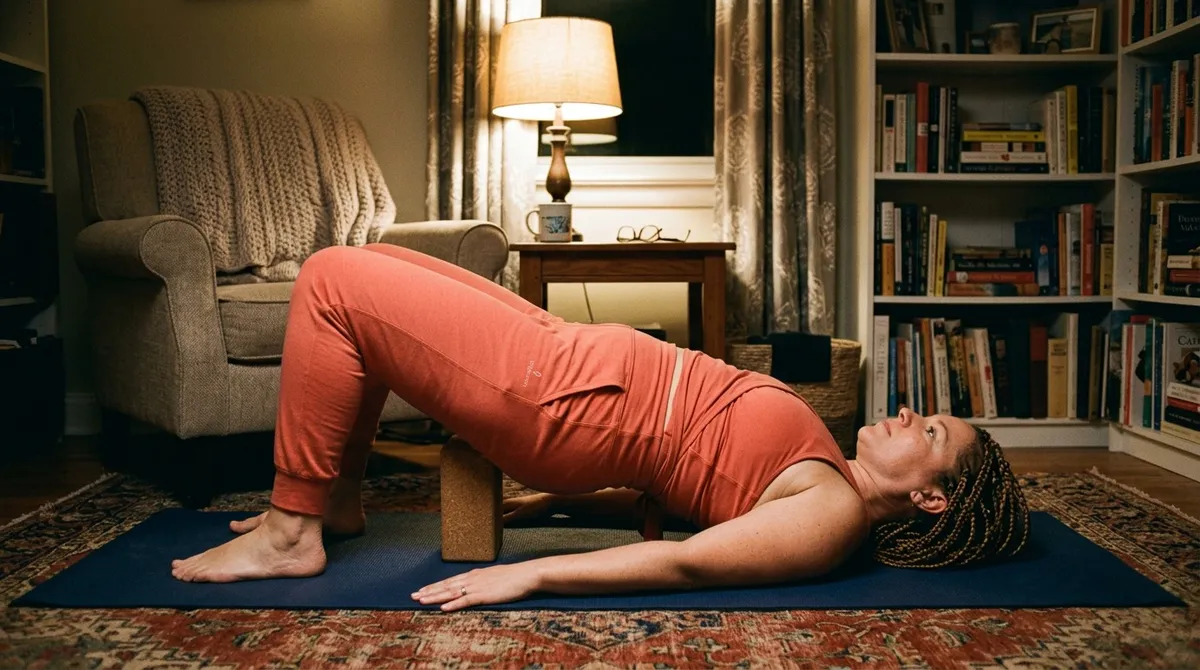
For Disc-Related (Flexion-Intolerant) Sciatica: Extension-Biased Positions
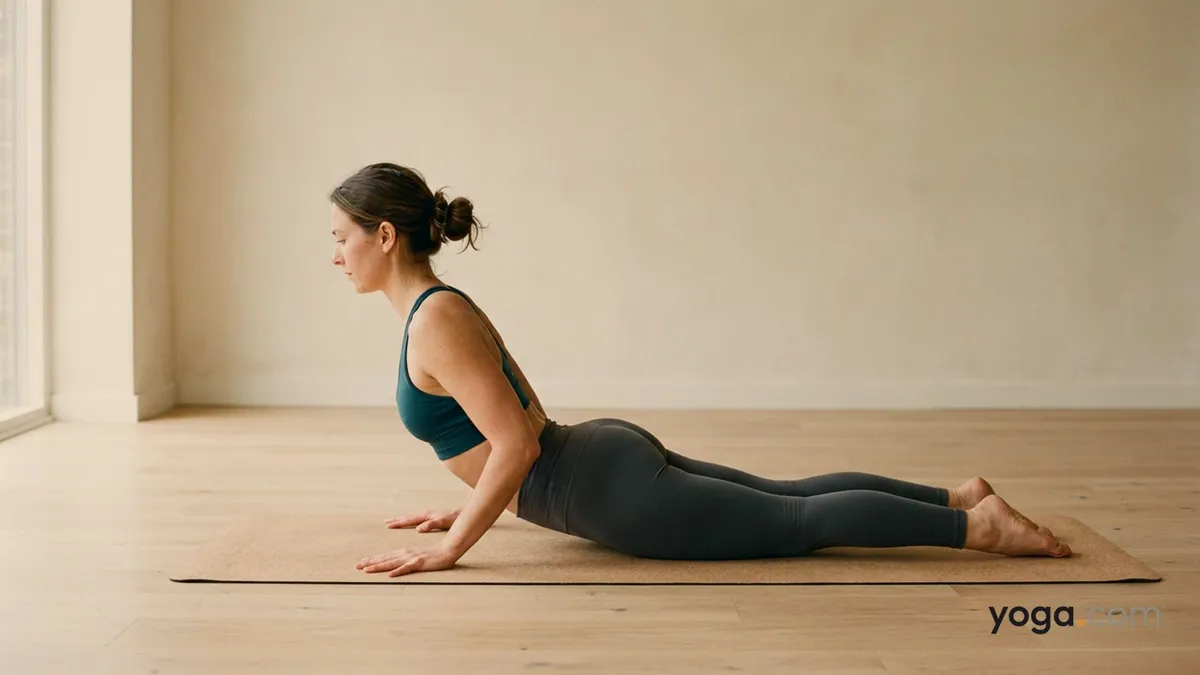
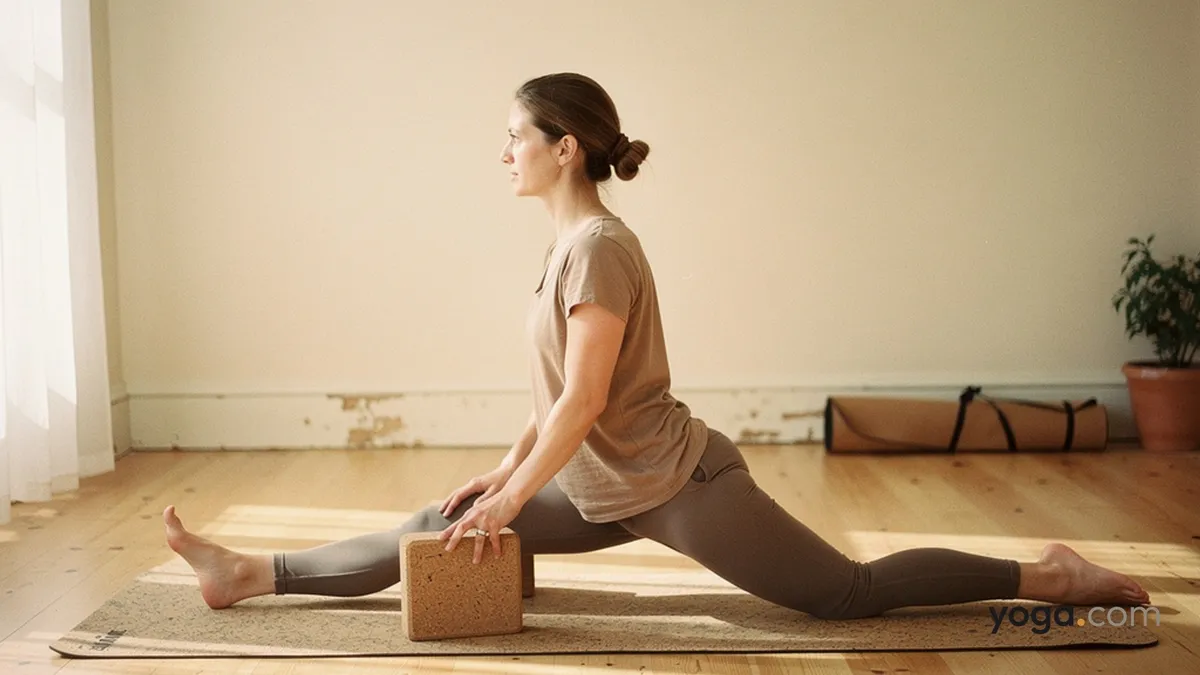
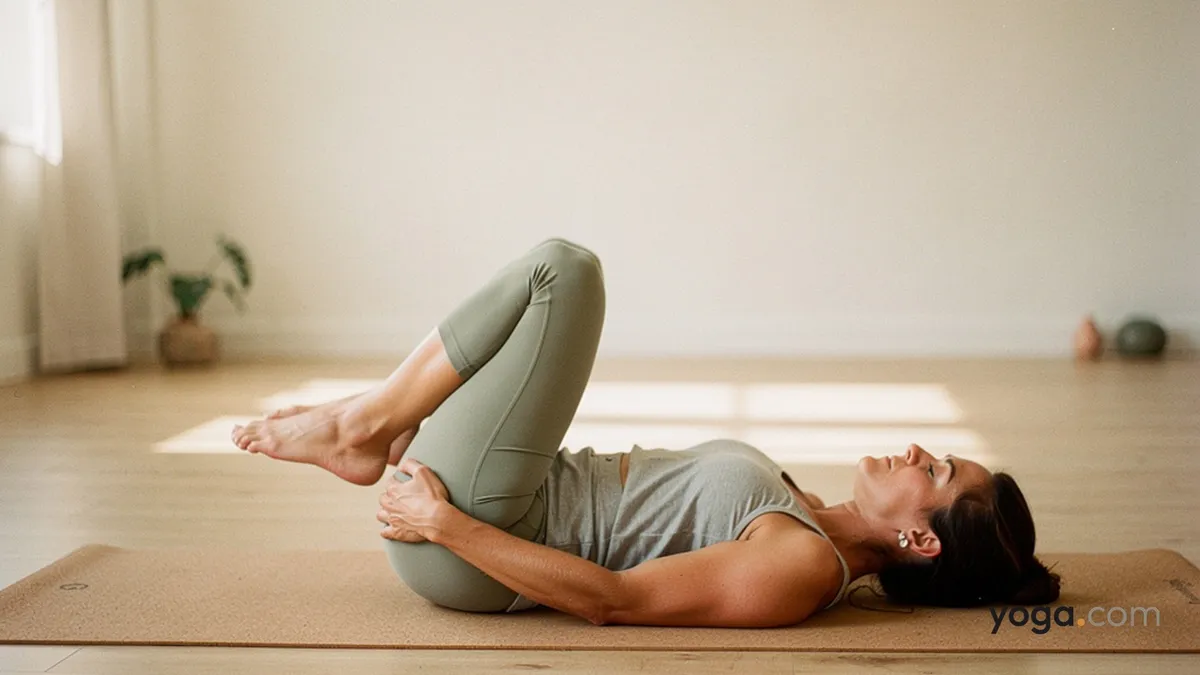
For Piriformis-Related Sciatica: Supported Hip Openers
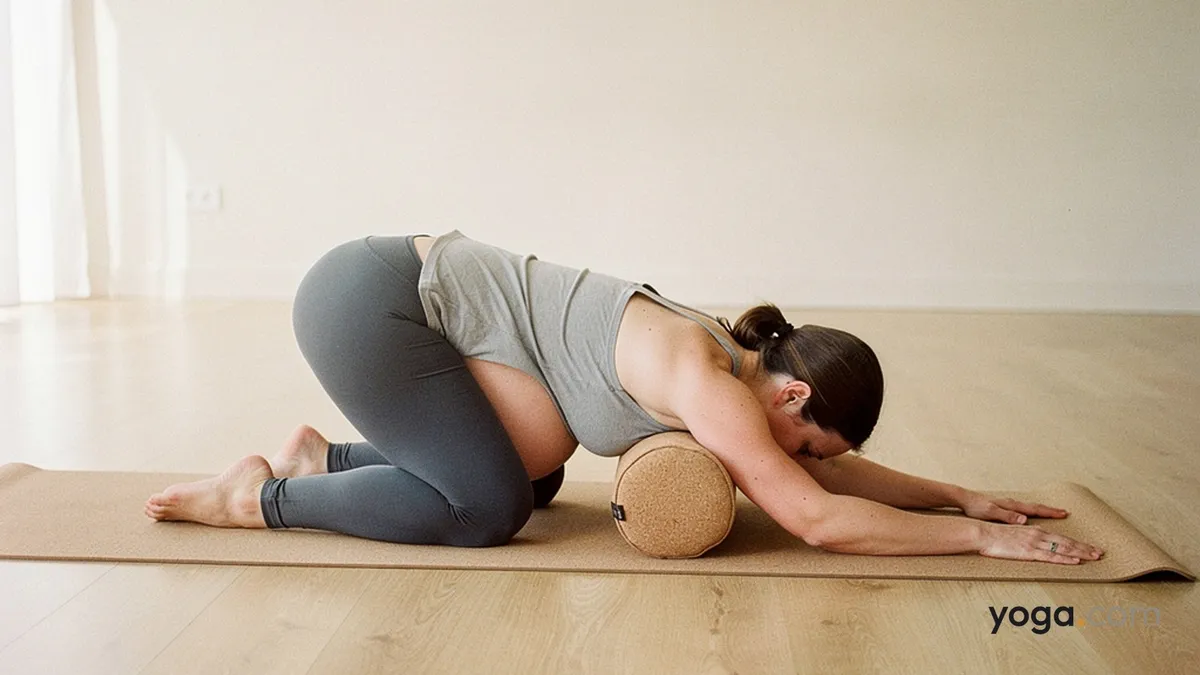
For General Tension and Nervous System Calm
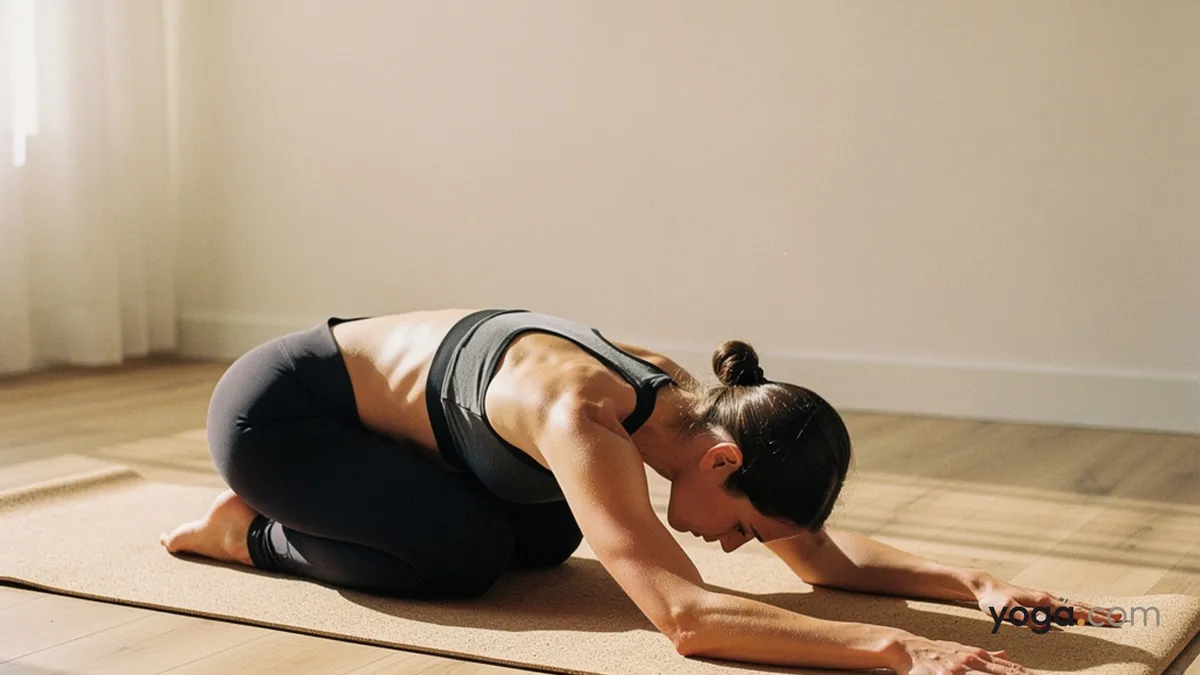
How to Practice Safely: Ground Rules
When to See a Professional (or Go Back to One)
Yoga is a complement to care, not a replacement for it. See your doctor or physical therapist if:
The good news: research suggests that 80–90% of individuals with back pain and sciatica return to work within 12 weeks. With the right support, most people do recover.
The Bottom Line
Yoga can be a meaningful part of recovering from sciatica — but it requires more care and nuance than a generic flow class. Know your cause. Distinguish between what helps and what hurts your specific presentation. Work with your healthcare team. And let gentleness, not ambition, guide your practice. Your nervous system will thank you.