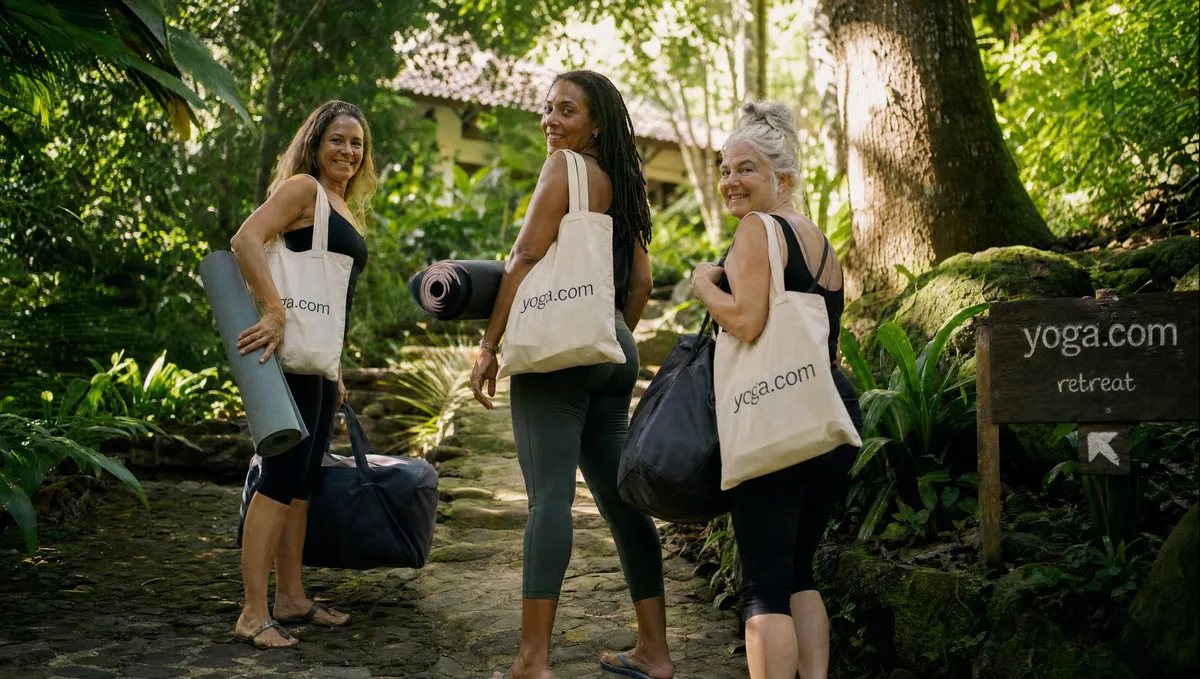
You've booked the retreat. The excitement is real — and so is the mild panic of staring at an open suitcase wondering what actually belongs in it. Whether you're heading to a jungle eco-lodge in Bali, a mountain hideaway in California, or a beachside shala in Thailand, this checklist will get you packed with confidence and nothing important left behind.
Start Here: Know Your Retreat Before You Pack
Every retreat is different. A luxury spa retreat in Ubud calls for very different gear than, say, a yoga and backpacking trip in Yosemite, where participants hike four miles into a secluded clearing to practice, meditate, swim, and sleep under the stars for three days.
Read your welcome packet thoroughly. Many retreat centers — especially budget-friendly ones in Southeast Asia, where inclusive stays can run as little as $40 a night — provide mats, props, and toiletries. No point hauling what's already there.
Once you know what's provided, use the categories below to fill the gaps.
Your Yoga Gear: The Core Kit
Even if mats are available on-site, many practitioners prefer to bring their own mat. The simple fact is there is something grounding about rolling out a familiar surface, especially when everything else around you is new and unfamiliar.
Yoga mat — A lightweight travel mat (2–3mm) is easy to carry and so it is a good choice for most retreats. If the retreat provides mats you trust, you can skip bringing your own mat.Mat strap or bag — A mat strap or bag keeps things tidy on transit days and makes carrying your mat much easier.Yoga blocks (1–2) — Cork blocks are sturdy, and foam blocks are lighter. Keep in mind that you should check whether the center supplies yoga blocks before you pack your own.Yoga strap — A yoga strap is essential for working on flexibility and is useful in poses like Seated Forward Bend (Paschimottanasana) or Reclining Hand-to-Big-Toe Pose (Supta Padangusthasana). On top of that, a yoga strap is one of the most versatile props you can bring.Bolster — A bolster is bulky to pack, and most centers provide bolsters already, so you should confirm before adding a bolster to your bag.What to Wear: Pack Smart, Move Freely
Think layers, breathability, and versatility. You'll likely practice twice a day, so you need enough activewear to stay fresh without overpacking.
2–3 pairs of yoga leggings or shorts3–4 tank tops or fitted tees (moisture-wicking if possible)1–2 long-sleeved layers for early-morning Pranayama or cool eveningsA light sweater or wrap for Savasana — you cool down fast lying stillComfortable off-the-mat clothes for meals and downtimeSandals or slip-ons you can get in and out of easilyWalking shoes if any hiking or excursions are plannedIf you're visiting Southeast Asia, the best weather window runs from November through April, with milder temperatures and minimal rain. Pack accordingly — lighter fabrics and a packable rain layer just in case.
Toiletries and Wellness Essentials
Keep this simple. Most retreat centers are in nature — not the city — so you genuinely don't need much.
Sunscreen (reef-safe if you're near water)Insect repellent — non-negotiable for tropical destinationsNatural deodorantDry shampoo for back-to-back practice daysAny prescription medications and a small first-aid kitElectrolyte packets — long practice sessions and heat mean you need to replenishReusable water bottle (at least 1 liter)If you have any health conditions that may be affected by intensive yoga practice or travel, speak with your doctor before you go.
For the Outdoorsy or Adventure Retreat
Retreats that combine yoga with hiking or camping — like the California backpacking trips run by Back to Earth, which include guides, camping permits, and most group supplies from Thursday through Sunday — have a specific packing logic. You're carrying everything on your back, so every ounce counts.
Lightweight sleeping bag rated for the overnight temperatureSleeping pad — check what's provided; some operators supply tarps and group shelterMoisture-wicking base layers for cold morningsTrekking poles if not supplied (Back to Earth, for instance, includes walking poles)Headlamp with extra batteriesBiodegradable soap and a small quick-dry towelA compact travel yoga mat or a thin yoga towelDon't Forget: Mindfulness and Comfort Items
These are the things you might not think of — until you wish you had them.
Journal and pen — Retreats surface unexpected insights. Write them down.Eye pillow — Bliss during Savasana and restorative poses like Supported Fish (Matsyasana with bolster).Ear plugs — shared spaces, dawn birds, or nearby construction happen.A small meditation cushion (zafu) or a travel-sized folded blanket if sitting meditation is part of your program.Books, not screens — most retreats encourage a digital detox.A reusable tote bag for beach days, market visits, or carrying props.Tech and Documents
Even on a digital detox, a few practical items still matter and you should not overlook them because they can save you a lot of trouble during your retreat.
Phone and charger (keep your phone in airplane mode if you want the full experience)Universal power adapter for international retreats — keep in mind that your charger may not fit local outletsPassport, travel insurance details, and retreat confirmation — printed copies are wise and you should bring printed copies because digital access is not always availableSome local cash; the simple fact is that rural retreat centers often don't accept cards, so having local cash on hand is importantWhat to Leave Behind
Overpacking is real, and it weighs you down before the retreat even begins.
Heavy jewelry or valuables you'd worry aboutAnything you'd be devastated to lose or damageA full makeup kit — most retreat mornings start early and end sweatyFive pairs of shoes when two will doA Quick Pre-Departure Checklist
Confirmed what the retreat provides (mat, props, towels, meals)Packed enough activewear for twice-daily practiceIncluded a warm layer for Savasana and cool morningsToiletries, sunscreen, and insect repellent sortedJournal packed and electronics minimizedDocuments, insurance, and local currency readyAny adventure gear confirmed against what the organizer suppliesReady to Go
A well-packed bag means you arrive present and calm, and so you will not be frazzled and hunting for something you forgot to bring. Pack thoughtfully, and leave some breathing room in your suitcase because a crowded bag often leads to a crowded mind. Keep in mind that the most important thing you are bringing is your own willingness to show up fully. The simple fact is that your willingness to be present matters more than any item on your packing list. Pack with care, trust your preparation, and know that the retreat will take care of the rest.
Sources
Yoga Journal — Yoga and Backpacking RetreatYoga Basics — Southeast Asia Yoga Retreat Benefits