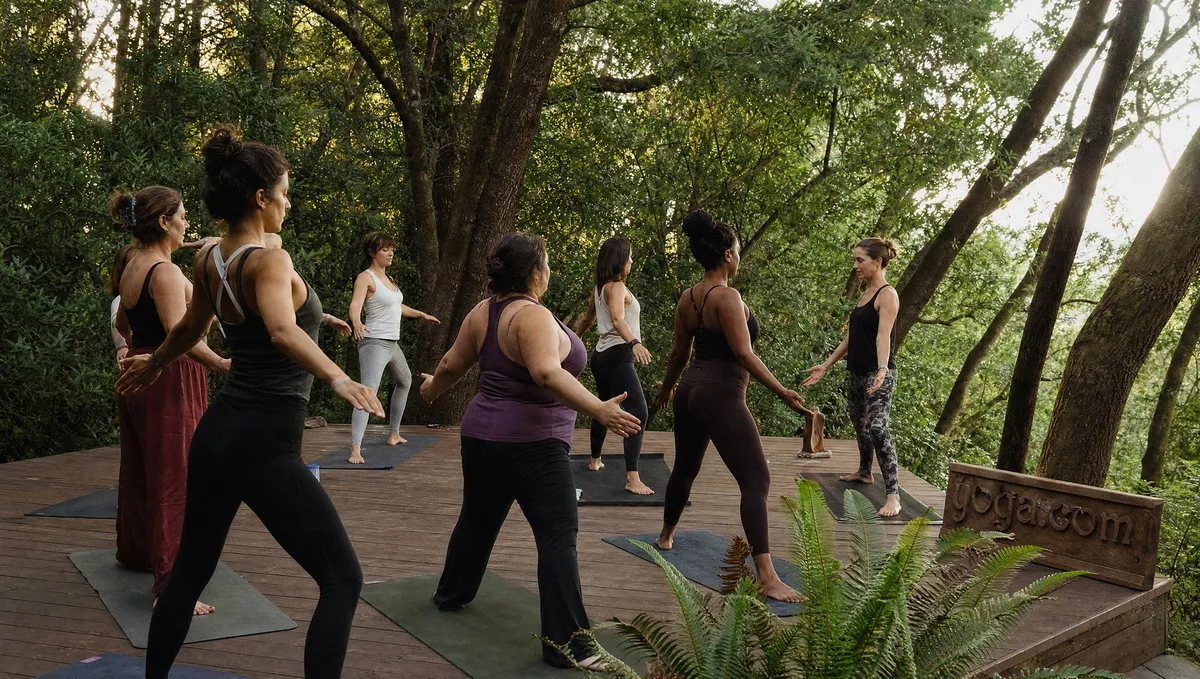

You've been dreaming about it — a few weeks somewhere beautiful, diving deep into yoga, and coming home with a certification that changes your life. Yoga teacher training retreats make that possible. But before you hand over your deposit, there's a lot worth understanding: the costs, the credentials, the daily intensity, and how to spot a program that will actually deliver.
What Makes a Teacher Training Retreat Different from a Regular Retreat?
A standard yoga retreat is an immersive getaway — typically lasting between 3 and 14 days — focused on rest, practice, and renewal. A yoga teacher training (YTT) retreat combines that immersive setting with a rigorous, structured curriculum designed to certify you as a teacher. In plain words, a YTT retreat is not just a vacation with some yoga classes added on top.
Think of it as a yoga school that happens to be set in Bali, Costa Rica, or the mountains of Colorado and so the location around you is inspiring and beautiful. Keep in mind that the schedule is still very demanding because the yoga teacher training retreat has a real curriculum you must complete. The simple fact is that both of these things are true at once, and you should go in expecting both the inspiration of the setting and the hard work of the training program.
How Intense Is the Training, Really?
This is where many first-timers get a surprise. A standard 200-hour YTT, when completed in a 26-day retreat format, works out to approximately 50 hours of training per week — not counting study time or practicum prep. Factor in that a 26-day course really only delivers 23 days of actual training once you subtract arrival, departure, and rest days.
That's a full-time job, plus homework. Go in with open eyes, not just open luggage.
What a typical day looks like
It's transformative. It's also exhausting. Building in realistic expectations before you arrive makes all the difference.
Understanding Yoga Alliance Credentials
Most reputable programs are accredited through Yoga Alliance, the largest nonprofit registry for yoga teachers and schools in the Western world. Here's what the key designations mean:
For most beginners, a 200-hour RYS program is the right starting point. It's the foundational credential recognized by studios worldwide. Completing training at a non-registered school means you won't qualify for RYT registration — always verify the school's status at Yoga Alliance's school directory before booking.
What does registration actually cost?
After you complete your training, registering with Yoga Alliance involves a one-time $50 application fee plus a $65 annual membership fee. These are separate from your tuition — budget for them.
How Much Should You Expect to Pay?
Costs vary widely depending on the program, location, and what's included. Keep in mind that the total price you pay can look very different from program to program. Here's a realistic breakdown:
Tuition for the training itself
Schools set their own tuition, which typically ranges from $1,500 to $5,000+, depending on program length, location, and format. A retreat-style program in an international destination will generally sit at the higher end, and so your tuition alone can already be a large part of your total budget before you add anything else.
Retreat accommodation tiers
If your training fee doesn't bundle accommodation, or if you're comparing programs, here's what retreat pricing generally looks like. The simple fact is that accommodation tier makes a big difference in what you will spend overall:
On top of that, you need to add flights, travel insurance, and incidentals to whatever number you're working with because those extra costs add up faster than most people expect. A beautiful international training can quietly become a significant investment once everything is tallied, and so it is important that you account for every expense before you commit to a program.
How to Evaluate a Program Before You Commit
Not all training retreats are equal. Here's what to look for — and what to ask.
Check the teacher-to-student ratio
This matters more than most people realize. Two lead teachers can adequately support a group of around 14 to 16 students in a 200-hour retreat. If a program is running 30 students with two teachers, ask how additional support is structured.
Ask these questions directly
Read reviews carefully
Look beyond the star rating. Search for reviews that mention how well the curriculum was delivered, how supported students felt, and what happened when problems arose. A school's response to difficulty tells you more than a highlight reel.
Is a Retreat Format Right for You?
Immersive retreat training is wonderful for people who learn by total immersion, can take several weeks away, and want the community of going through something intense together. It's not the only path.
If your life doesn't allow a month abroad, part-time or hybrid programs through an RYS can be equally rigorous and lead to the same RYT credential. The format should fit your life — not the other way around.
If you have any injuries, health conditions, or concerns about the physical demands of intensive training, talk to your doctor before enrolling. The daily volume of movement in a 200-hour retreat is significant.
The Bottom Line
A yoga teacher training retreat can be one of the most meaningful things you ever do for yourself, both personally and professionally. The simple fact is that the real magic is in the preparation you do before you ever arrive. You need to verify credentials, understand the true intensity of the schedule, know what you are paying for, and ask the right questions before you book and so when you finally arrive you are not distracted by things you should have checked already. Keep in mind that arriving informed and ready means you can let go of the logistics and actually be present for the transformation. The retreat itself will be much more valuable when you have done your homework and your mind is free to focus on the experience and not on unanswered questions.