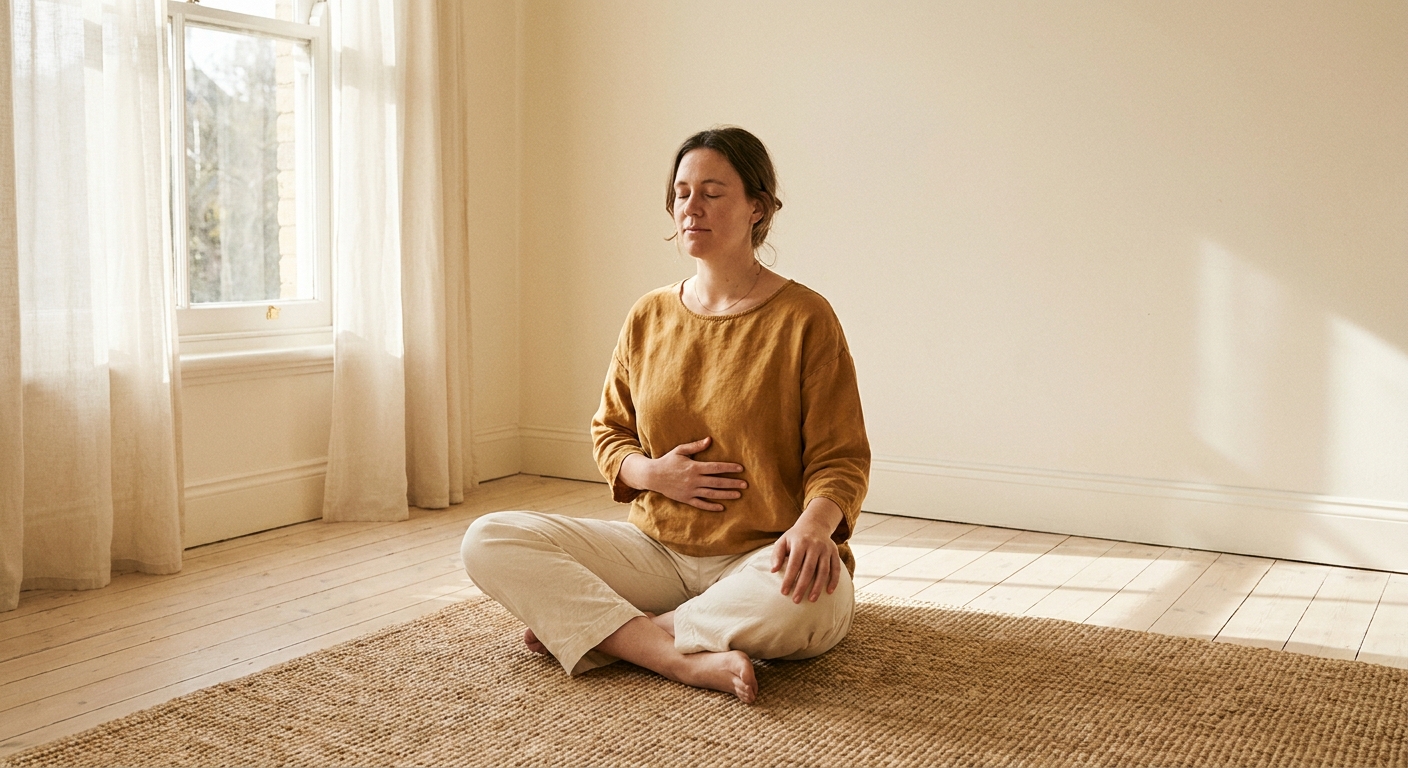

You've been dreaming about it — a few days (or a few weeks) away from your routine, your inbox, and the relentless pace of everyday life. A yoga retreat promises something rare: uninterrupted time to practice, breathe, and actually feel like yourself again. But with thousands of options out there, knowing how to choose the right one can feel overwhelming. This guide cuts through the noise.
Start With Your "Why"
Before you compare locations or prices, get honest about what you actually need. The simple fact is that your answer shapes every decision that follows, and so it is worth taking a moment to think about this clearly before you do anything else.
There is no wrong answer here. Keep in mind that a retreat designed for advanced Ashtanga practitioners looks nothing like a restorative weekend for burned-out beginners, and because these two experiences are so different, knowing your intent first is very important. On top of that, if you are not clear about your own goals, you may end up choosing a retreat that does not match what you actually need. Know your intent first, and the rest of your search will be much easier.
Does the Setting Actually Support Your Goal?
Location matters more than it might seem. A beachside retreat in Bali and a mountain lodge in Colorado create very different energies — and very different logistics. Ask yourself whether you want warm weather, cold mornings, jungle sounds, or quiet snow.
Also think practically: how long a flight are you willing to take? Do you need vegetarian or vegan meals? Is altitude a concern? The most "Instagram-worthy" location isn't always the most restorative one for you.
Immersion vs. day-trip style retreats
Residential retreats — where you sleep, eat, and practice on-site — tend to produce the deepest results. When everything is handled for you, your nervous system actually gets to let go. A 2017 observational study found statistically significant improvements in almost all health measures after just one week at a wellness retreat, and those improvements were sustained at six weeks. That kind of shift is hard to replicate in a non-residential format.
Check the Credentials of Your Teachers
This is non-negotiable. Warm vibes and a beautiful brochure don't guarantee a safe, skilled teacher. Look for instructors with verifiable training — ideally registered with Yoga Alliance or a comparable body — and real teaching experience, not just years of personal practice.
Read bios carefully. Do the lead teachers specialize in the style being offered? Have they trained with recognized lineage holders? Don't hesitate to email the retreat organizer with questions before you book.
If you're considering a teacher training retreat
The stakes are higher when certification is involved. A 200-hour yoga teacher training works out to approximately 50 hours of instruction per week — an intense, full-time commitment. That's not a vacation; it's a deep immersion.
Class size matters enormously. Two lead teachers can adequately support a group of 14 to 16 students in a quality 200-hour training. If a program is enrolling 40 students with two teachers, the individual attention you need simply won't be there.
Also read the schedule fine print. In a 26-day training course, you're really looking at approximately 23 actual training days once you subtract rest days and arrival and departure time. Knowing the real structure helps you set realistic expectations.
Understand the Full Cost — and What It Covers
Retreat pricing varies wildly, and the headline number rarely tells the whole story. Before you book, get answers to these questions:
If you're pursuing a teacher training retreat, factor in certification costs on top of tuition. Yoga Alliance registration involves a one-time application fee of $50 plus an annual membership fee of $65 — modest amounts, but worth building into your budget. School tuition itself ranges from roughly $1,500 to $5,000 or more, depending on location, program length, and format.
Vet the Style and Daily Schedule
Every yoga style has a different feel. A Kundalini retreat is a completely different experience from a Yin or Vinyasa immersion. If you're newer to yoga, look for retreats that explicitly welcome beginners and offer pose modifications. If you're more experienced, check whether the curriculum will genuinely challenge and expand your practice.
Request a sample daily schedule. A well-run retreat will share this openly. Look for a balance of practice, rest, meals, and free time — not 10 hours of back-to-back programming that leaves you more depleted than when you arrived.
Read Reviews (the Right Way)
Don't just scroll for star ratings. Read the written reviews for specifics: Was the food actually as described? Were the teachers present and attentive? Did the retreat deliver on its promises?
Look for recent reviews — a retreat that was outstanding three years ago may have new staff and a different energy now. If you can, find a past participant through social media and ask them directly.
A Few Practical Safety Reminders
Yoga retreats can be genuinely transformative, but they're not a substitute for medical care. If you have any injuries, chronic health conditions, or are pregnant, consult your doctor or a qualified healthcare provider before attending an intensive retreat. Always disclose relevant health information to your teachers — good instructors will welcome this and offer appropriate modifications.
Your Retreat Checklist at a Glance
The Bottom Line
The right retreat doesn't have to be the most expensive one, the most exotic, or the most talked-about. It's the one that fits where you are right now — your experience level, your budget, your body, and what your nervous system is actually craving. Take your time choosing, ask good questions, and trust that a well-matched retreat can offer something genuinely rare: the chance to come back to yourself.