
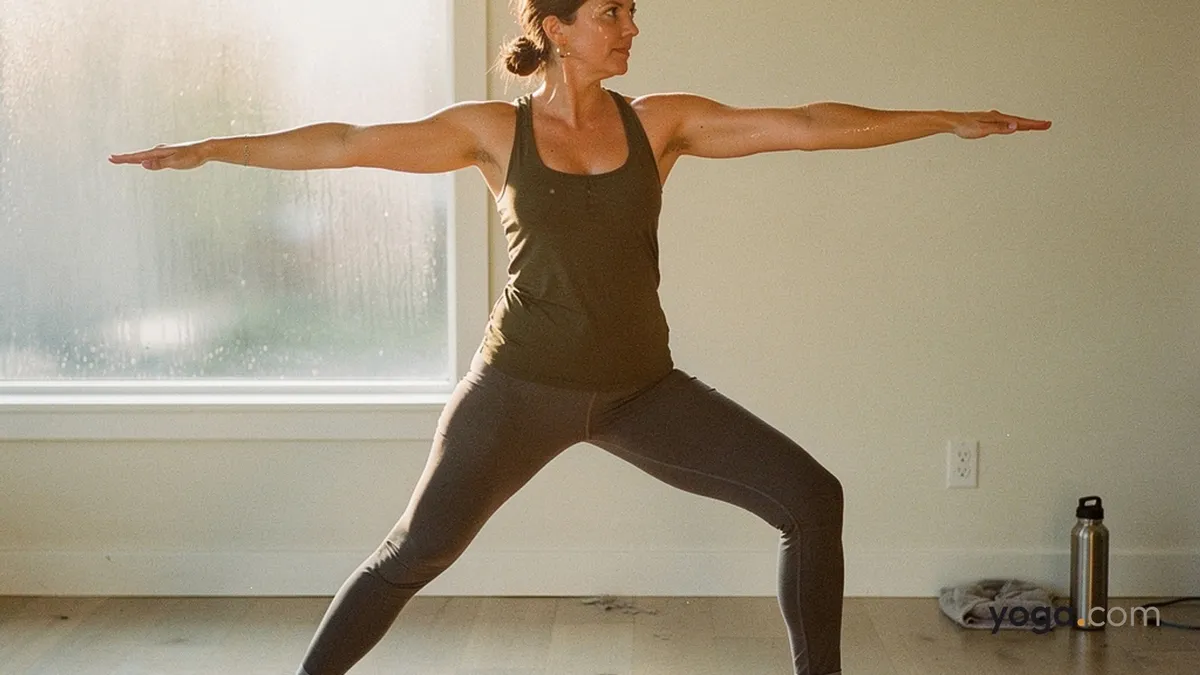
You've seen the steamy studio windows, heard friends rave about the sweat, maybe wondered if practicing yoga in a room that rivals a sauna is worth it — or even safe. Hot yoga has real appeal, and some genuine benefits. But it also comes with risks that deserve an honest look before you unroll your mat. Here's what the evidence actually says.

⚠️ Safety First: Read This Before You Book a Class

Hot yoga is not suitable for everyone. If you have high blood pressure, heart disease, a history of heat illness, or are pregnant, please talk to your doctor before trying any heated yoga class. The same goes if you're on medications that affect hydration or heart rate.

Even healthy practitioners can experience dizziness, nausea, or fainting in a hot room. If anything feels off during class, leave the room immediately, sit or lie down, and hydrate.

Bikram vs. Hot Yoga: They're Not the Same Thing

People often use "Bikram" and "hot yoga" interchangeably. They're related — but distinct.

Bikram Yoga

Bikram yoga, developed in the early 1970s, follows a precise, unchanging script: 26 postures and two breathing exercises, each posture performed twice, in a 90-minute class held at 105°F (about 40°C) with 40% humidity. There is no music, no modifications to the sequence, and no deviations — every class worldwide is identical.

One honest note: the founder's name is attached to this practice, but it has been largely separated from him following serious and well-documented misconduct allegations. The style itself has outlived his disgrace, and many excellent teachers continue to offer it.

Modern Hot Yoga

Everything else heated falls under the broader "hot yoga" umbrella. The temperature, sequence, and style vary widely by studio and brand. Hot Vinyasa classes typically run cooler, around 85–95°F, while styles like the Barkan Method and Tribalance use rooms heated to 100–105°F. CorePower Yoga ranges from 93–105°F, and Baptiste Power Yoga studios sit between 94–98°F.

If you prefer a gentler introduction, warm yoga classes are typically held at 80–85°F — warm enough to loosen muscles, mild enough to reduce heat-related risk.

How Hot Yoga Differs from Vinyasa and Power Yoga

The heat is the defining variable — not the movement style. Vinyasa and Power yoga practiced without heat are dynamic, breath-linked flows that build strength and cardiovascular fitness. Add a heated room and you have hot vinyasa or hot power yoga — the same sequences, but with your body working harder to regulate its temperature.

Bikram, by contrast, is always Hatha-based: held postures, no flow, no music. It's a fundamentally different experience from a heated vinyasa flow. If you're exploring all your options, our types of yoga guide lays out the full landscape.

What the Heat Actually Does to Your Body

This is where it is worth separating the marketing from the actual evidence. Keep in mind that heat changes some things in your body and does not change others, and knowing the difference helps you make a better decision about your practice.

What heat genuinely changes

  • Core temperature and heart rate rise. A 2025 systematic review of 43 studies found that a single hot yoga session increases core temperature and heart rate compared to non-heated yoga. Your cardiovascular system works harder just to cool you down, and so your body is under real physical stress even before you move into a single pose.
  • Perceived flexibility increases. Warm muscles and warm connective tissue move more freely. You may feel more open in a hot room — and that feeling is real, not imagined. The simple fact is that heat does make your body feel looser in the moment.
  • You sweat — a lot. That is your body's cooling mechanism doing exactly what it should, and your body is working hard to keep your temperature under control the whole time you are in the room.
  • What heat does NOT change

  • Caloric burn is not dramatically higher. The same 2025 review found that hot yoga does not increase energetic demands compared to non-heated yoga — meaning you are not burning significantly more calories just because the room is hotter. The simple fact is that the heat itself does not add extra calorie burn for your body.
  • Sweat is not detox. Your liver and your kidneys handle detoxification. Sweat is almost entirely water and electrolytes, and so the popular claim about sweating out toxins is not supported by physiology. Keep in mind that no amount of sweating replaces what your liver and kidneys already do for your body.
  • Flexibility gains may not be deeper or more lasting. Feeling more flexible in the moment is different from building lasting mobility. On top of that, overstretching warm and pliable tissue is also a real injury risk — more on that below.
  • The Real Risks You Should Know

    Hot yoga's risks are not reasons to avoid it outright. The simple fact is they are reasons to go in informed, and knowing these risks ahead of time helps you practice more safely.

  • Dehydration: Heavy sweating depletes fluids and electrolytes fast, and this can happen faster than you expect so you should drink water before, during, and after class. Do not arrive at class thirsty.
  • Heat illness: Heat exhaustion and, in rare cases, heat stroke are possible. Keep in mind that you should know the warning signs — heavy sweating, weakness, cold/pale/clammy skin, fast weak pulse, nausea — and exit the room if those warning signs appear.
  • Overstretching: Warm muscles allow greater range of motion, which sounds great until you push past a safe limit without realizing it. On top of that, the heat can make your body feel unusually open and so you may not notice when you have gone too far. Move mindfully and respect your edge.
  • Blood pressure and cardiac concerns: The combination of heat, elevated heart rate, and inversions can strain the cardiovascular system and this strain is a real concern for many people. Anyone with heart conditions or blood pressure issues should get medical clearance before attending a hot yoga class.
  • Pregnancy: Overheating poses serious risks during pregnancy. Heated classes are generally not recommended for pregnant people, and you should speak with your midwife or OB before considering any heated class.
  • Who Genuinely Enjoys Hot Yoga

    Hot yoga has a loyal following for real reasons. You might love it if you:

  • Enjoy the mental challenge of staying calm and focused under physical stress
  • Find the heat helps you unwind deeply after a cold or stressful day
  • Like the ritual of a fixed sequence (especially Bikram) — no decisions, just practice
  • Prefer a vigorous, sweat-heavy workout that still feels like yoga
  • Are training consistently — reviewed hot yoga programs ranged from 6–36 sessions practiced 2–6 times per week over 1–16 weeks, suggesting regular practice is where benefits accumulate
  • Who Should Skip It (or Proceed Very Carefully)

  • Anyone with cardiovascular disease, high or low blood pressure, or a history of fainting
  • Pregnant women
  • People prone to heat illness or who are currently unwell
  • Beginners who haven't yet learned basic alignment — hot rooms mask pain signals, making injuries more likely when form is still developing
  • Anyone on diuretics, antihistamines, or other medications affecting hydration or heart rate (check with your doctor)
  • The Bottom Line

    Hot yoga — whether it's a Bikram class or a heated vinyasa flow — is a genuinely challenging practice with a real and devoted following. The heat does raise your heart rate and make you feel more flexible. What it doesn't do is dramatically boost calorie burn or detoxify your body, despite what you may have heard. Go in well-hydrated, know your limits, honor the safety caveats if they apply to you, and you may find a practice you genuinely love. If you're unsure which heated style suits you, start mild — a warm yoga class at 80–85°F is a reasonable first step — and build from there.


    Sources

  • PubMed Central — 2025 Systematic Review on Hot Yoga
  • Yoga Basics — Types of Hot Yoga
  • Yoga Basics — Warm Yoga